09.10.2026 à 16:21
Tunisian court dismisses case to dissolve publisher of ICIJ partner Inkyfada
Nicole Sadek
Despite the court victory, Inkyfada and its parent company Al Khatt still struggle to recover funds frozen by authorities.
 ICIJInternational Consortium of Investigative Journalists
09.10.2026 à 16:21
Tunisian court dismisses case to dissolve publisher of ICIJ partner Inkyfada
The Tunis Court of First Instance ruled this week to dismiss a case that would have shuttered media publisher Al Khatt, and with it, ICIJ partner Inkyfada. The ruling, praised by press freedom advocates, comes amid a severe crackdown on Tunisian media.
Tunisian authorities filed the dissolution request against Al Khatt, a nongovernmental organization that promotes independent journalism and media literacy, in May. The dissolution request was not based on a single claim, and it fit a larger pattern of censorship, Reporters Without Borders (RSF) told ICIJ at the time. The court finally ruled on Monday in Al Khatt’s favor.
“This decision is an encouraging signal, but it cannot mask the persistence of major concerns regarding the environment in which independent media operate,” Oussama Bouagila, director of RSF’s North Africa office, wrote to ICIJ. He condemned in particular authorities’ targeting of the independent news site Nawaat and needless detentions of multiple Tunisian journalists.



Recommended reading PRESS FREEDOM Tunisian authorities threaten to dissolve the parent company of ICIJ partner Inkyfada May 07, 2026 PRESS FREEDOM ICIJ journalist Micah Reddy freed after 4 days in secretive Djibouti custody Sep 22, 2026 PRESS FREEDOM Jury acquits Maltese business tycoon in the murder of Daphne Caruana Galizia Sep 02, 2026
08.10.2026 à 17:52
Five years after the Pandora Papers, transparency laws lose their teeth
Lina Rénique-Poole, a tenant advocate in Brooklyn, had high hopes in 2023 about a bill moving through the New York State Legislature that promised to rein in the anonymous companies often used to own real estate.
“When tenants have complaints or need to sue their landlord for repairs, it’s always a mystery who’s really the owner,” Rénique-Poole, who works for nonprofit housing organization Southside United HDFC, commonly known as Los Sures, recently told the International Consortium of Investigative Journalists. “Most of the rent-stabilized buildings in New York that we work with are owned by LLCs, which means that a lot of times tenants don’t know who their landlord is.”
Limited liability companies, or LLCs, are a popular U.S. business structure that shields owners from personal liability and lets them stay anonymous. Los Sures wasn’t alone in wanting that to change. Other tenant advocates, local unions, anti-corruption groups and district attorneys rallied behind the bill, known as the LLC Transparency Act.
We have a justice system that has been so manipulated that you could actually own a bad-acting business and not have any way of seeing any kind of accountability.
—New York state lawmaker Emily Gallagher
Hidden ownership, they said, let landlords dodge accountability for neglected buildings, contractors evade wage-theft judgments and money launderers park cash in luxury real estate. At the bill’s heart was a public, searchable database that would show the names of the real people behind LLCs.
However, by the time the law took effect in January 2026, it had been stripped of the public database and, like its federal counterpart, no longer applied to most of the companies advocates had hoped to unmask.
“It hasn’t made that much of a difference,” said Rénique-Poole, who for a decade has helped tenants in about 30 buildings fight for basics like gas, hot water and heat in winter.
New York’s law was one of many reforms proposed or revived in the wake of the Pandora Papers, ICIJ’s 2021 investigation that showed how world leaders and the ultra-rich used secrecy havens from the British Virgin Islands to South Dakota to hide their wealth. Much of what the leaked files revealed was legal: a global industry of lawyers and advisers built anonymous companies and trusts, permitted by laws of the U.S. and other nations, to shield the assets of the rich and powerful from public scrutiny and, sometimes, from tax authorities and creditors. Governments from Washington to Canberra promised change.
Five years after the publication, ICIJ reviewed what became of some of those promises. A handful became law. Many more stalled, were watered down or dropped. And in the United States, much of what was won has been rolled back.
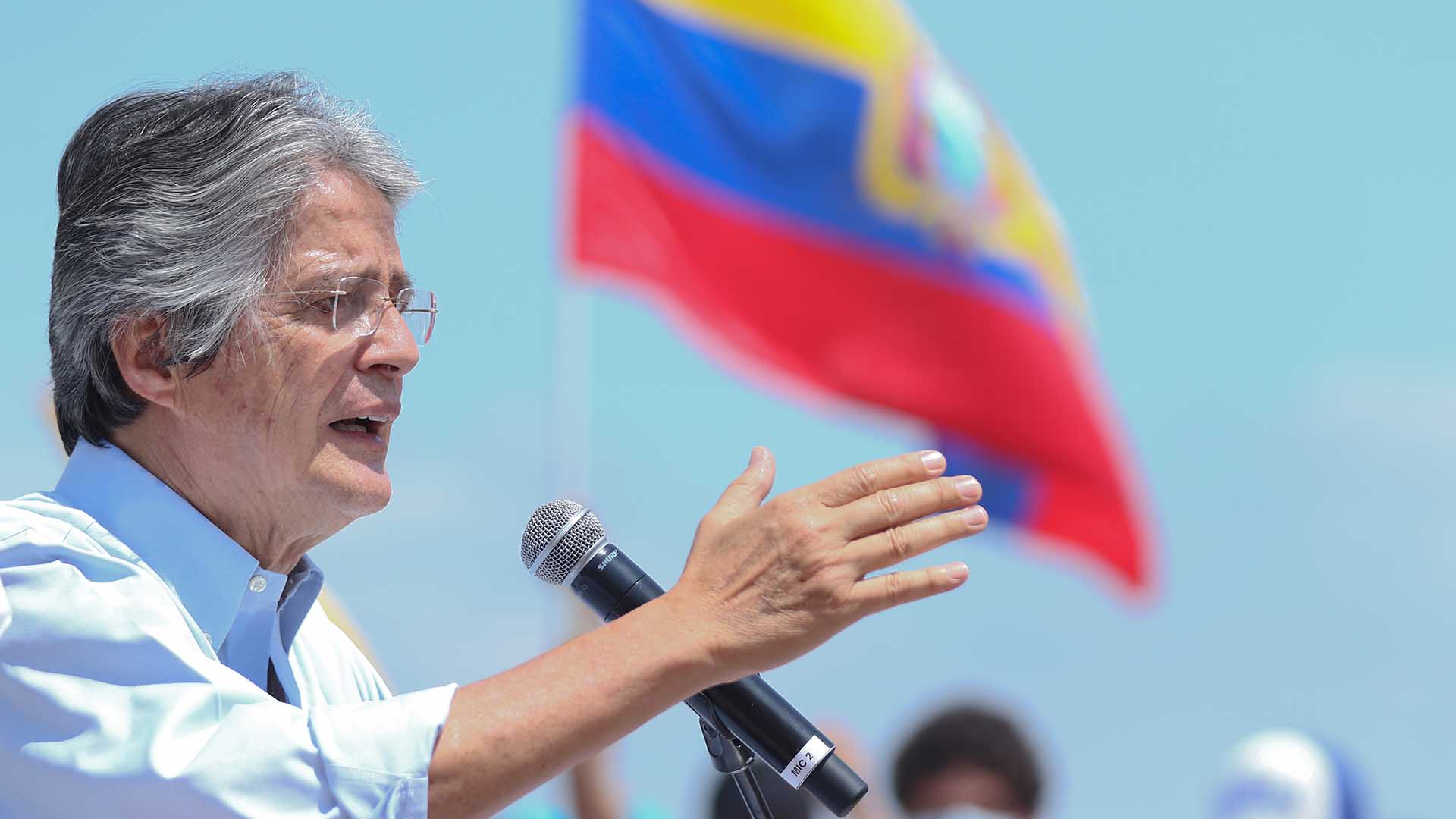
Several countries promised registries of company owners similar to the one New York lawmakers set out to build for LLCs. In Chile, where the Pandora Papers named then-President Sebastián Piñera, plans for a public registry gained momentum. Piñera’s successor, Gabriel Boric, sent a bill to Congress in 2023; it has stalled in the Senate since. Panama tightened its registry law with steeper fines, but only authorities have access to it.
In Switzerland, where the Pandora Papers exposed the role the Swiss wealth management industry played in setting up offshore companies, a first federal register of company owners took effect this month, along with new checks on wealth advisers. It, too, is closed to the public. In the European Union, the bloc’s top court shut public access to company ownership registries in 2022, citing privacy, even as the European Parliament called for greater transparency in response to the leak.

https://www.icij.org/investigations/pandora-papers/global-investigation-tax-havens-offshore/
Recommended reading IMPACT Political and business links to Pandora Papers roil parliaments, anti-corruption and tax authorities as global fallout swells Oct 12, 2021 GLOBAL OVERVIEW Offshore havens and hidden riches of world leaders and billionaires exposed in unprecedented leak Oct 03, 2021 CORPORATE TRANSPARENCY Treasury Department won’t enforce beneficial ownership rule under the Corporate Transparency Act Mar 05, 2025
finitions, so the law would again cover LLCs formed in the U.S. Six months later, Hochul vetoed it, saying it would impose “a mandate for businesses in New York that is not required under federal law.”“She made a shell of a bill about shells,” Gallagher told ICIJ.
Hochul, who is running for re-election in November, did not answer ICIJ’s questions. Instead, her office forwarded her veto memo. The New York Department of State, which runs the database, did not respond to a request for comment.
So far, little has changed for advocates of Los Sures. The vast majority of the anonymous companies behind the buildings it works with were formed in the U.S., Rénique-Poole said, so the law doesn’t reach them. And even when officials know who a landlord is, she said, tenants are often left in the dark. “They don’t share it with us.”
Gallagher said tenants still ask her when they’ll be able to look up who owns their buildings. She tells them they can’t. “I’m never going to give up on this,” she said. “Sometimes you think that you’ve won, but you’ve only won the first battle.”
The Corporate Transparency Act became law at the last possible moment. Lawmakers had tucked it into a must-pass defense spending bill. Trump vetoed the bill, but Congress overrode him on New Year’s Day 2021, just two days before a new Congress was sworn in. Nine months later, the Pandora Papers revelations made clear the reform was urgent, anti-corruption advocates said, as they pressed the Treasury to put the law into effect.
Erica Hanichak, who like many other advocates has spent years pushing for corporate transparency, counts the law’s passage among the best moments of her career.
“It proved to me that democracy worked and that our voices mattered in Congress,” said Hanichak, co-director of the Financial Accountability and Corporate Transparency (FACT) Coalition.
The Pandora Papers revealed that secrecy wasn’t only something the U.S. policed elsewhere. It was something it offered. ICIJ identified 206 U.S. trusts holding more than $1 billion in assets, many in South Dakota, nearly 30 of them linked to people or companies accused of fraud, bribery or human rights abuses. Yet the Corporate Transparency Act largely left such trusts untouched, and the ENABLERS Act, which would have required trust companies to vet their clients, then died in the Senate.
wmakers reviewed the state’s secrecy laws and took no action, and a later bill to identify trusts behind LLCs narrowly failed. South Dakota paused its annual industry-drafted updates to its trust laws for one session, then resumed them in 2023 with a law that makes it easier to set up a trust by allowing for documents to be signed electronically.“The United States was very keen to receive information from other countries but refused to send information back,” Ryding said. “And when you behave like that, you become a perfect place to hide your money.”
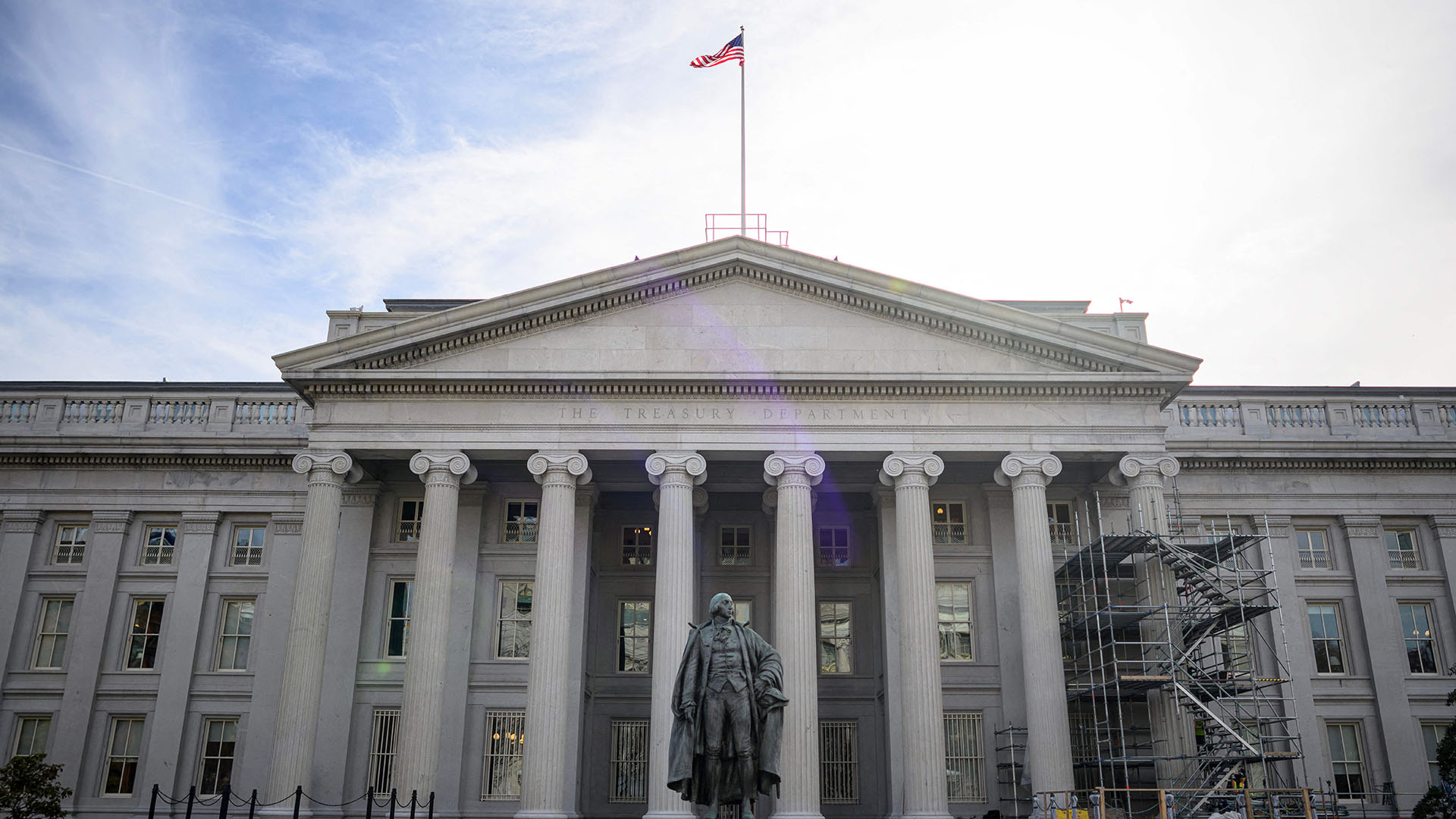
Four years after its passage, Hanichak watched Trump’s second administration take the CTA apart. In March 2025, just as millions of companies were filing, the Department of the Treasury exempted more than 99% of those required to report. This August, it made the change permanent and said it would delete the information it had already collected on U.S. owners. Treasury Secretary Scott Bessent called it “a victory for common sense and American small businesses.”
Zorka Milin, co-director of the FACT Coalition, argues the rollback is unlawful.
“They basically repealed it,” she said, “but only Congress can repeal laws under our Constitution.” A future administration, she said, could restore the reporting requirements for U.S. companies.
Meanwhile, Hanichak said, other countries are forging ahead with certain transparency measures. “The U.S., despite being the largest economy in the world… is lagging behind,” she said, noting that more than 130 countries have ownership disclosure rules in place or in the works.
Australia is one. Since July, more than 80,000 lawyers, accountants, real estate agents and other businesses have been required to check who their clients are and report suspicious money, a reform first promised nearly two decades ago.
l see how long it takes to fight the good fight, and risk not trying,” she said. “What’s most important is that we keep coming back every day with the same energy.”07.10.2026 à 19:07
How Hungary’s richest man funneled millions into Orbán’s propaganda machine
Companies owned by Hungarian oligarch Lőrinc Mészáros — a longtime friend of former prime minister Viktor Orbán — donated heavily to a right-wing influence operation that peddled propaganda online for the ruling Fidesz party, according to a new investigation by ICIJ media partner Direkt36.
Confidential documents show that since at least 2022 the rail giant V-Híd Zrt. and other Mészáros Group construction firms transferred billions of forints, amounting to almost $13.5 million, to the Megafon Center, an organization that trained Orbán-friendly social media influencers.
Megafon was founded in 2020 to enlist “professional Facebook warriors” to spread conservative ideas, according to the independent media outlet Telex, which found that the organization later outspent both Fidesz and the Hungarian government on political advertising on the platform. Despite its advertising costs approaching $6 million in 2024, Megafon has never disclosed its donors and has claimed to receive no public funding.
Now, Direkt36 has identified payments from Mészáros firms to the organization over several years, accounting for an estimated third of its revenue in that period. The internal records obtained by Direkt36 and analyzed using ICIJ’s research platform Datashare contain previously undisclosed details about V-Híd’s operations.
The findings, which are part of the Mészáros Files investigation, are based on documents including donation agreements and receipts that show a nearly $1 million contribution by V-Híd to Megafon as early as 2022. A list of expenditures shows another Mészáros firm reportedly provided almost $300,000 to Megafon shortly before Hungary’s April 2022 parliamentary elections.

PRESS FREEDOM US bars executives of Costa Rica’s leading newspaper La Nación from entry May 06, 2026
https://www.icij.org/inside-icij/2018/05/heart-hungarys-battle-democracy-journalism/
PRESS FREEDOM At the heart of Hungary’s battle for democracy: journalism May 07, 2018
Recommended reading PRESS FREEDOM US bars executives of Costa Rica’s leading newspaper La Nación from entry May 06, 2026 PRESS FREEDOM Tunisian authorities threaten to dissolve the parent company of ICIJ partner Inkyfada May 07, 2026 PRESS FREEDOM At the heart of Hungary’s battle for democracy: journalism May 07, 2018