16.11.2026 à 19:40
‘He used Pornhub as the gun’
David Kenner
Texte intégral (2373 mots)
Late on a Tuesday night in September 2019, Tina’s phone pinged with a message. The subject line read, in part, “fuck you slut!!!!!” The message contained a link to Pornhub, the world’s most popular porn site.
At the time, Tina — who spoke to the International Consortium of Investigative Journalists on the condition that her last name not be used — had recently ended a relationship with an abusive boyfriend. When she had tried to break up with him months earlier, Tina said he coerced her into making sexually explicit videos. It was his way, she told ICIJ, of controlling her.
Tina’s ex-boyfriend had now published those videos on Pornhub. It was the beginning of a months-long campaign of harassment and death threats: He posted videos and photos of her more than 100 times on Pornhub, according to emails reviewed by ICIJ, using accounts created in her name and including her address, phone number and employer.
He also posted photographs of her underage daughters at the beach in bikinis, along with their names and contact information. He emailed one daughter with a link to the videos of Tina and told her to ask her mother “why she put you all in danger from weirdos all over the country.”
“My ex wanted to kill me,” Tina said. “And he used Pornhub as the gun.”
Pornhub’s owner, the Montreal-based company Aylo, runs some of the world’s most popular websites. Its network of over 100 sites — including Pornhub, YouPorn and RedTube — attracts more than 100 million visits every day and has generated hundreds of millions of dollars in annual revenue, according to the most recent available data.
Aylo’s profits were built in part on some of the most heinous material on the internet. At the time of Tina’s abuse in September 2019, anyone could create a free account on Pornhub and upload videos; Pornhub did not require verification of the uploader’s identity.
Aylo has long employed moderators, whose job includes the identification of instances of sex trafficking, as well as photos and videos of minors. But the company was overwhelmed by the deluge of content: More than 6.8 million videos were uploaded to Pornhub in 2019; the company bragged in its 2019 “year in review” that if a viewer started watching all of them in 1850, they would still be watching.
Tina is just one of the many individuals victimized on the company’s websites. In 2020, Aylo removed more than 347,000 videos for nonconsensual content, according to a complaint filed by the Federal Trade Commission and the state of Utah. Aylo has made numerous changes since then — such as verifying the identity of uploaders — but its own reports show that potentially abusive and exploitative content continues to be published on Pornhub.
ms because, in the words of one employee in an email to a colleague, they were used frequently in BDSM and staged blackmail videos, and thus “relatively compliant” with the company’s terms of service (Pornhub told ICIJ that “blackmail” and “forced” are currently banned on all Aylo platforms).This exchange was included in court documents reviewed by ICIJ from a class-action lawsuit against Aylo filed in Alabama in February 2021. The documents, which were supposed to be sealed, inadvertently became publicly accessible on the court’s electronic docket for eight months because of a filing error. A judge recently granted preliminary approval to a settlement agreement in that case and a related California class action. As part of the settlement, Aylo committed to the single largest known payout to victims in the company’s history.
Aylo does not want the world to see what these records reveal about its business practices. After ICIJ approached the company for comment for this article, Aylo asked a federal judge in Alabama to bar ICIJ from publishing “any information learned or derived from” the documents. This extraordinary request threatened to muzzle ICIJ’s reporting on Aylo’s behavior, far beyond the contents of the court filings.
The judge rejected Aylo’s motion to prevent ICIJ from publishing an article based on the records.
ed out laptop screen in the background on the Pornhub website" width="1138" height="640" srcset="https://media.icij.org/uploads/2026/11/Pornhub-GettyImages-2194231473-1138x640.jpg 1138w, https://media.icij.org/uploads/2026/11/Pornhub-GettyImages-2194231473-760x427.jpg 760w, https://media.icij.org/uploads/2026/11/Pornhub-GettyImages-2194231473-768x432.jpg 768w, https://media.icij.org/uploads/2026/11/Pornhub-GettyImages-2194231473-1536x864.jpg 1536w, https://media.icij.org/uploads/2026/11/Pornhub-GettyImages-2194231473-1109x624.jpg 1109w, https://media.icij.org/uploads/2026/11/Pornhub-GettyImages-2194231473.jpg 1920w" sizes="auto, (max-width: 1138px) 100vw, 1138px" /> An age-restriction warning screen on the Pornhub website.Image: Leon Neal/Getty Images
The documents, which largely concern abusive content posted in 2020 and earlier, show a company that often fell short of those standards. Even notification from law enforcement of CSAM on the company’s sites was no guarantee that the illegal content would be promptly removed. In one instance, according to a deposition of an Aylo employee included in the court filings, Pornhub kept a video featuring the abuse of a 12-year-old boy online for more than a month after being informed of it by an Alabama law enforcement special agent.
In an internal email, an Aylo employee wrote that there was a request in this case “NOT to remove the content.” A separate civil complaint filed by the abused boy’s mother alleged that law enforcement officers informed Aylo that the illegal content was on its site three times, over a period of multiple weeks, and requested that it be removed.
Other CSAM videos remained on the site for years. And when discovered, some Aylo employees viewed their presence more with bemusement than horror.
“You guys want to laugh,” one moderator wrote to colleagues in 2020, as the company tested new CSAM detection software. “It caught a cp [child pornography] video from 2009 … a full on cp video on the site for 11 yrs.”
Another employee described a former moderator as “almost blind,” and wrote that he “put through so much stuff loool.”
Pornhub’s victims described a cycle of trauma as they struggled to scrub their name and images from the internet. Tina said Pornhub was too slow to take down the accounts with her name and contact information. And when they were finally removed, she said, her ex-boyfriend would simply create a new account and post the videos again.
The Pornhub email address used by victims to submit takedown requests included an automated response stating that an employee would respond within two days. Perversely, the response also promoted a program enabling users to “make money from your homemade videos.”
Tina would often realize the videos had been reposted because men would deluge her with lewd calls. Pornhub notified Tina that it “fingerprinted” her videos, a technology that generates a unique digital signature of a video to prevent its reupload, seven months after she first notified the company of them, according to emails reviewed by ICIJ.
Even before Tina’s videos first appeared, Pornhub had publicly touted its “state-of-the-art” fingerprinting technology to prevent revenge porn from being reuploaded. As Tina was struggling frantically to get her videos offline, Pornhub’s executives formulated a policy that called for victims of revenge porn to be offered fingerprinting services. But Tina says Pornhub did not tell her that her videos had been fingerprinted until she sent an all-caps email notifying the company that she was a crime victim. “DO BETTER PORNHUB!!!!,” the email read.
But Tina’s nightmare was still not over. Even after Pornhub removed the videos, it would sometimes leave the page on which they resided that included her personal information, emails reviewed by ICIJ showed. To this day, a Google search of her name brings up Pornhub results, though not the videos themselves; other porn sites also include her address at the time.
Tina eventually moved to a new city because she no longer felt safe in her neighborhood. She became anxious if someone looked at her too long or when she was around large groups of men. She wasn’t in a relationship for years.
“I wish I had been raped physically because then it would only have been once,” she said. The reuploading of the videos, the online comments about her body by strangers, the lewd calls, she said, “felt like a rape every single time.”
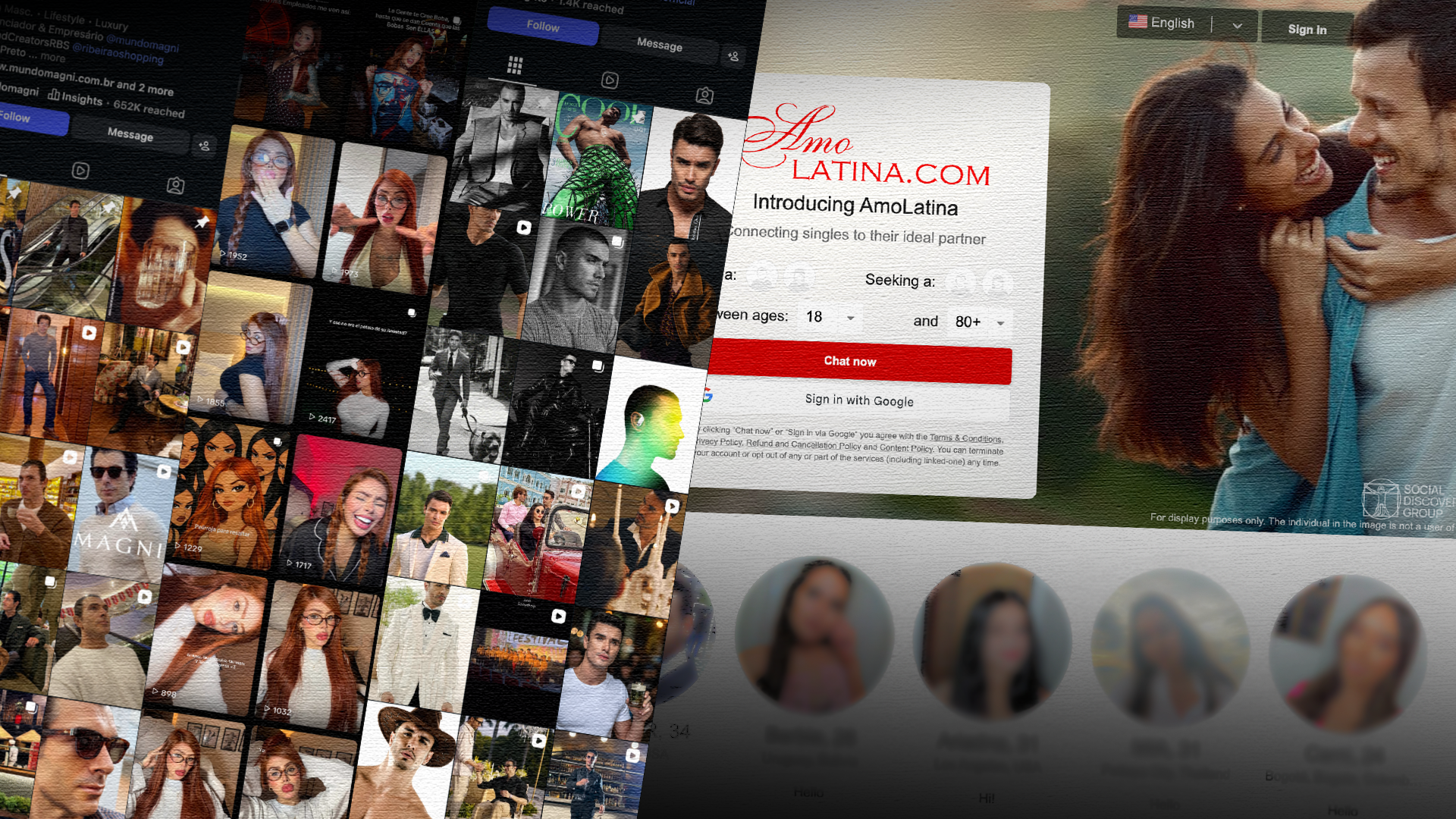

https://www.icij.org/news/2026/07/dating-app-scam-models-influencers-social-discovery-group/
ROMANCE SCAMS New US law requires dating apps to include warnings on romance scams Oct 21, 2026
Recommended reading Accountability Inside the Matrix: How models, influencers and engagement quotas power the Social Discovery Group’s dating machine and global profits Jul 23, 2026 ROMANCE SCAMS New US law requires dating apps to include warnings on romance scams Oct 21, 2026 Accountability Trump administration gave firm with ties to ballroom donor the green light to do business with a sanctioned Russian bank Sep 21, 2026
dman-GettyImages-1983625964-768x432.jpg 768w, https://media.icij.org/uploads/2026/11/Friedman-GettyImages-1983625964-1536x864.jpg 1536w, https://media.icij.org/uploads/2026/11/Friedman-GettyImages-1983625964-1109x624.jpg 1109w, https://media.icij.org/uploads/2026/11/Friedman-GettyImages-1983625964.jpg 1920w" sizes="auto, (max-width: 1138px) 100vw, 1138px" /> Canadian lawyer, co-founding partner of Ethical Capital Partners and owner of adult website Pornhub’s parent company Aylo, Solomon Friedman.Image: Joel Saget/AFP via Getty Images
The documents in the Alabama case also cast doubt on the company’s assurances about its methods to prevent the spread of CSAM. In a 2020 blog post, for example, the company touted its use of fingerprinting technology, which meant that any CSAM videos it found “cannot be re-uploaded,” it wrote.
But a few months before that blog post was published, Aylo executives drafted a policy covering how to respond when law enforcement officers report the existence of CSAM to the company. Aylo would not “communicate fingerprinting action back to complainant unless asked,” the document stated, “because we do not want to be seen as offering a guarantee” that the content would not reappear. This was necessary because the contractor providing fingerprinting services “has its limitations.”
Aylo’s then-CEO also told a Canadian parliamentary committee that requiring uploaders to provide government-issued identification to verify their age and identity meant that “every piece of content on our websites can be traced back to its uploader.” But the court documents show that the contractor tasked to verify the IDs of uploaders warned Aylo that “sophisticated and determined fraudsters” could defeat its technology.
This requirement would also not have thwarted some of the previous abusers mentioned in the Alabama court documents. The person who abused the Jane Doe at the center of the Alabama class-action lawsuit was verified. The abuser who victimized the 12-year-old boy was not only verified but allegedly sold videos of the abuse for $5 to $20 through Pornhub’s revenue-sharing program, according to the civil complaint filed by the boy’s mother. Some of the videos remained for sale for almost seven months and attracted more than 180,000 views and 1,100 subscribers — meaning that Aylo profited directly from the abuse, the complaint alleges.
The internet is terrestrial. It’s people going into buildings every day and making decisions. — Justine Li, cyber exploitation victims’ advocate
Tina and other victims described to ICIJ obsessively searching their names on Google, agonizing over the continued presence of their abuse online. For them, one of the most important interventions is the erasure of their names and intimate images from the internet. But it is often relief that remains out of reach.
Justine Li, a sex trafficking survivor herself, launched the National Center for Victims of Internet and Cyber Exploitation last year to offer victims a single portal through which they can manage takedown requests.
Li’s strategy is to target what she calls the “internet iceberg.” At the top are the operators of the sites that host the illegal content. Below the surface are other companies — hosting providers, payment processors and advertising networks — that keep the sites operational and making money.
She works to identify all of the companies that are supporting a site hosting illegal content, along with their contact information — pressure points on an industry that she says is too callous to act.
Li tells victims she will never stop fighting to get their images off the internet. But she is careful not to offer them any guarantees. “We can’t promise that things will come down,” she said. “That’s not the reality.”
Even failure, Li believes, has a purpose. She can use evidence that the options for victims are not working to push for new laws.
“People think the internet is this celestial realm where laws cannot be enforced,” Li said. “No, the internet is terrestrial. It’s people going into buildings every day and making decisions. … There’s a lot we can do that’s still on the table.”
13.11.2026 à 18:48
With the new shift in the U.S. Congress, time is running out on bills targeting drug patents
Brenda Medina
Texte intégral (618 mots)
U.S. lawmakers are facing a time crunch to pass a group of bipartisan bills targeting drug patents – laws that risk losing critical ground if not passed by the end of the year.
The bipartisan measures aim to stop drugmakers from using patents to delay cheaper competition, and legislators would be forced to start many from scratch if they fail to become law before the new Congress takes over in January.
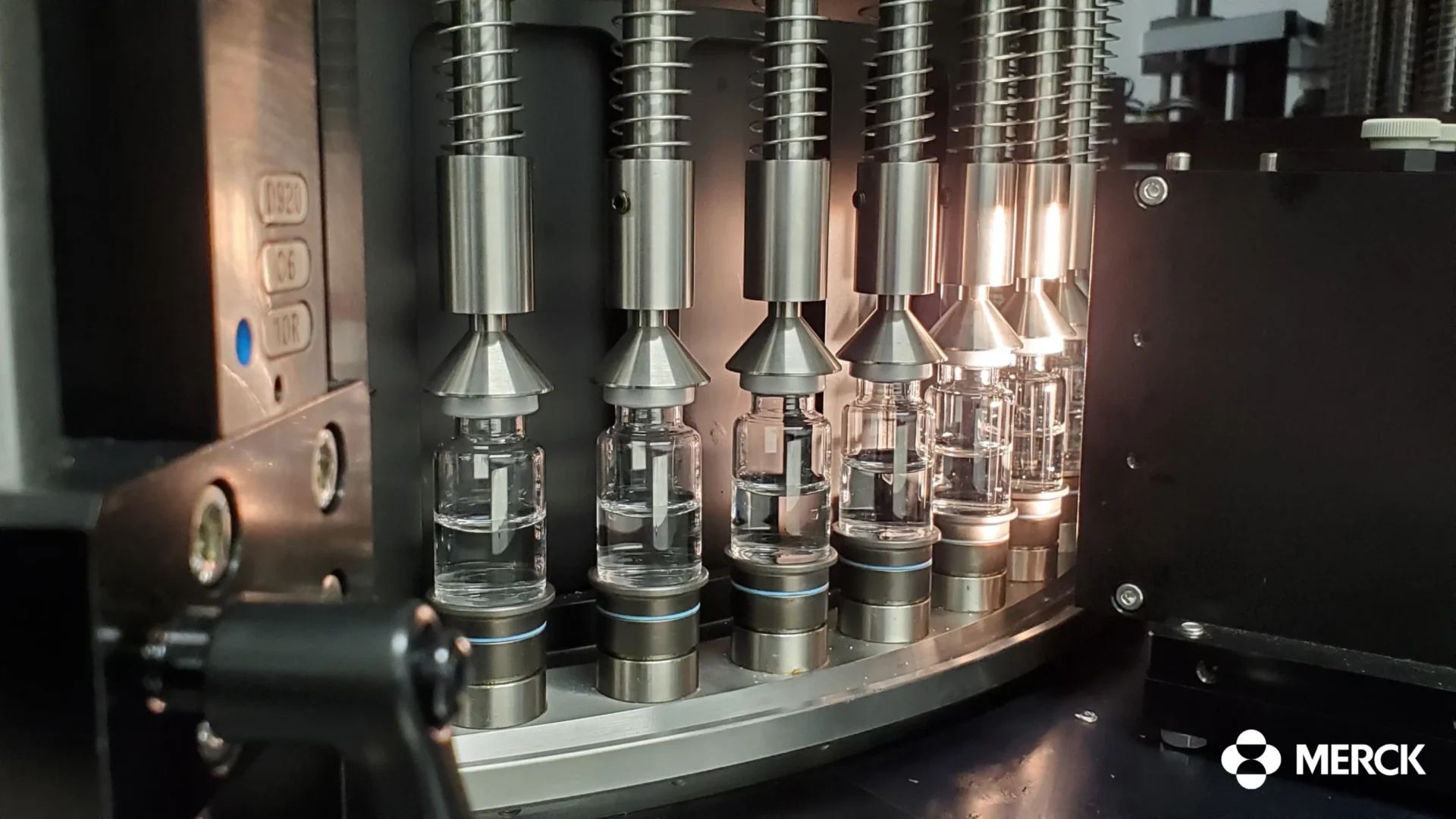
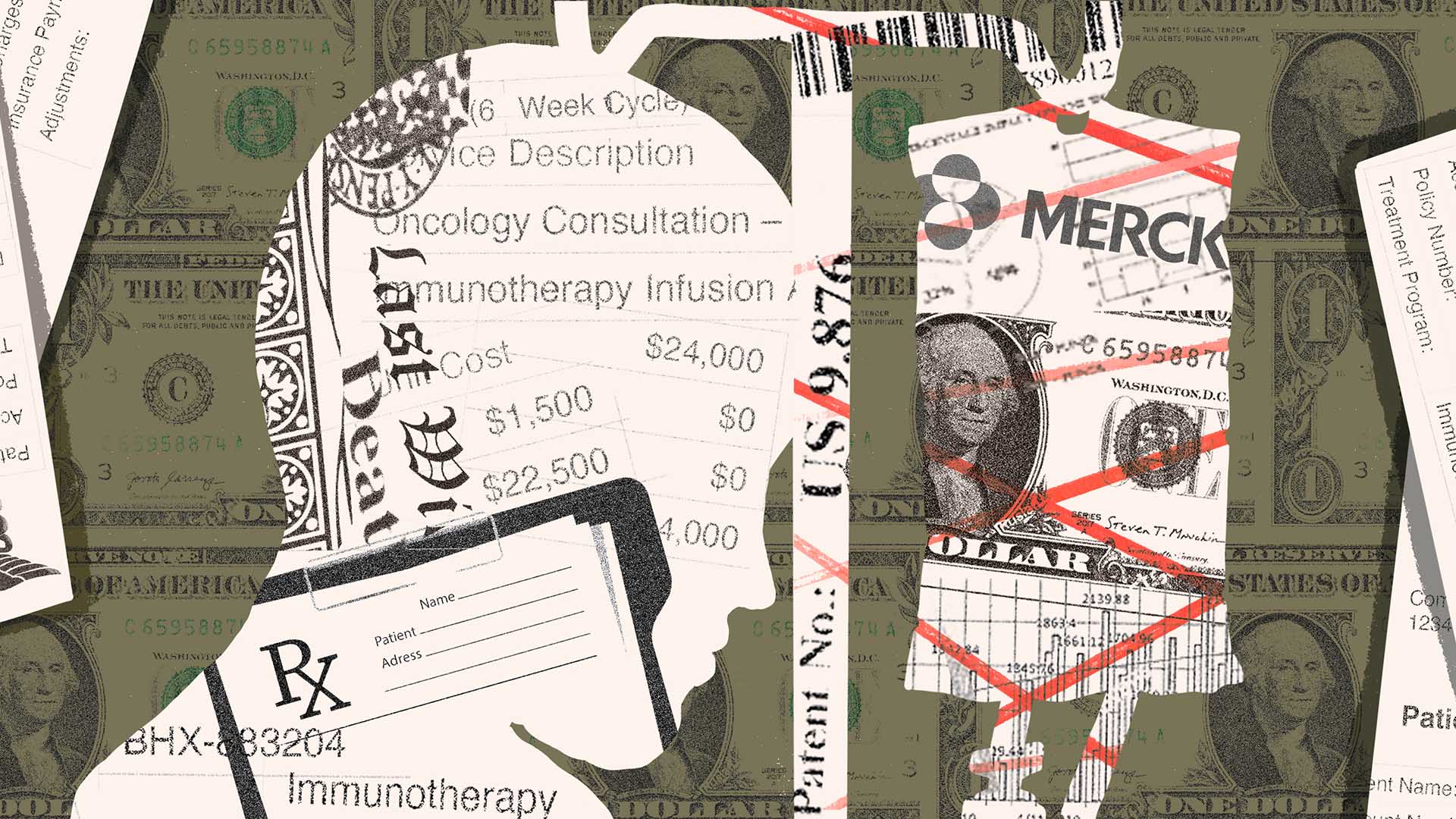
The bills address some of the industry tactics ICIJ exposed in Cancer Calculus, a year-long investigation that explored the price and impact of Merck & Co’s lifesaving anti-cancer drug Keytruda.
Among the at least nine bills, the ETHIC Act would limit the number of related patents a company can use when it sues a rival over a cheaper version of its drug. The Drug Competition Enhancement Act would stop companies from steering patients to slightly altered versions of a drug just to extend its patent protection. Another bill would require companies to give the Food and Drug Administration and the U.S. patent office consistent information about a product.
With several of the bills’ sponsors about to leave office, the future of the bills may hinge on what happens in the next two months. While supporters hope some will get added to a year-end health package that analysts are expecting, the rest would have to be reintroduced and repeat passing through committees and votes, all under a Democratic majority with a packed health agenda.
Supporters of the measures say they would get cheaper drugs to patients sooner. Industry groups, including the U.S. Chamber of Commerce, are pushing back and argue that the bills would weaken patent rights and discourage innovation.
https://www.icij.org/investigations/cancer-calculus/merck-keytruda-cancer-drug-price/
Recommended reading FOLLOW UP Lowering doses of cancer drugs could slash global health spending by $30B, new research shows Jun 11, 2026 TRANSPARENCY Merck takes Austria’s Keytruda price transparency battle to top court as journalists fight for information Jul 10, 2026 OVERVIEW How Merck turned its wonder drug into a blockbuster — and priced out cancer patients worldwide Apr 13, 2026
are often costly) in place of the brand-name drug their doctor prescribed. The bill has been approved by committees in both chambers. ates are looking to the next Congress. Any significant reform, however, Amin said, “will require bold leadership from the Democrats and a break from the politics as usual if we are to rein in patent abuse.”Contributing reporter: Sydney P. Freedberg.
04.11.2026 à 15:51
How banking giant ICBC helped Chinese firms gain a foothold in Europe’s wind market
Scilla Alecci
Texte intégral (1984 mots)
After Russia’s 2022 invasion of Ukraine disrupted Europe’s natural gas imports
, the European Union pledged to source nearly half of its energy from clean technology by the end of the decade. But as the EU pushed for energy independence, a global superpower — not European companies — was poised to reap the benefits of the new strategy.In recent years, a number of Chinese wind companies have developed wind parks in Romania, Spain and other countries. European officials suspected those firms could offer cheaper prices thanks to Beijing’s generous state subsidies and in 2024 launched an inquiry to assess whether state aid had given them an unfair advantage.
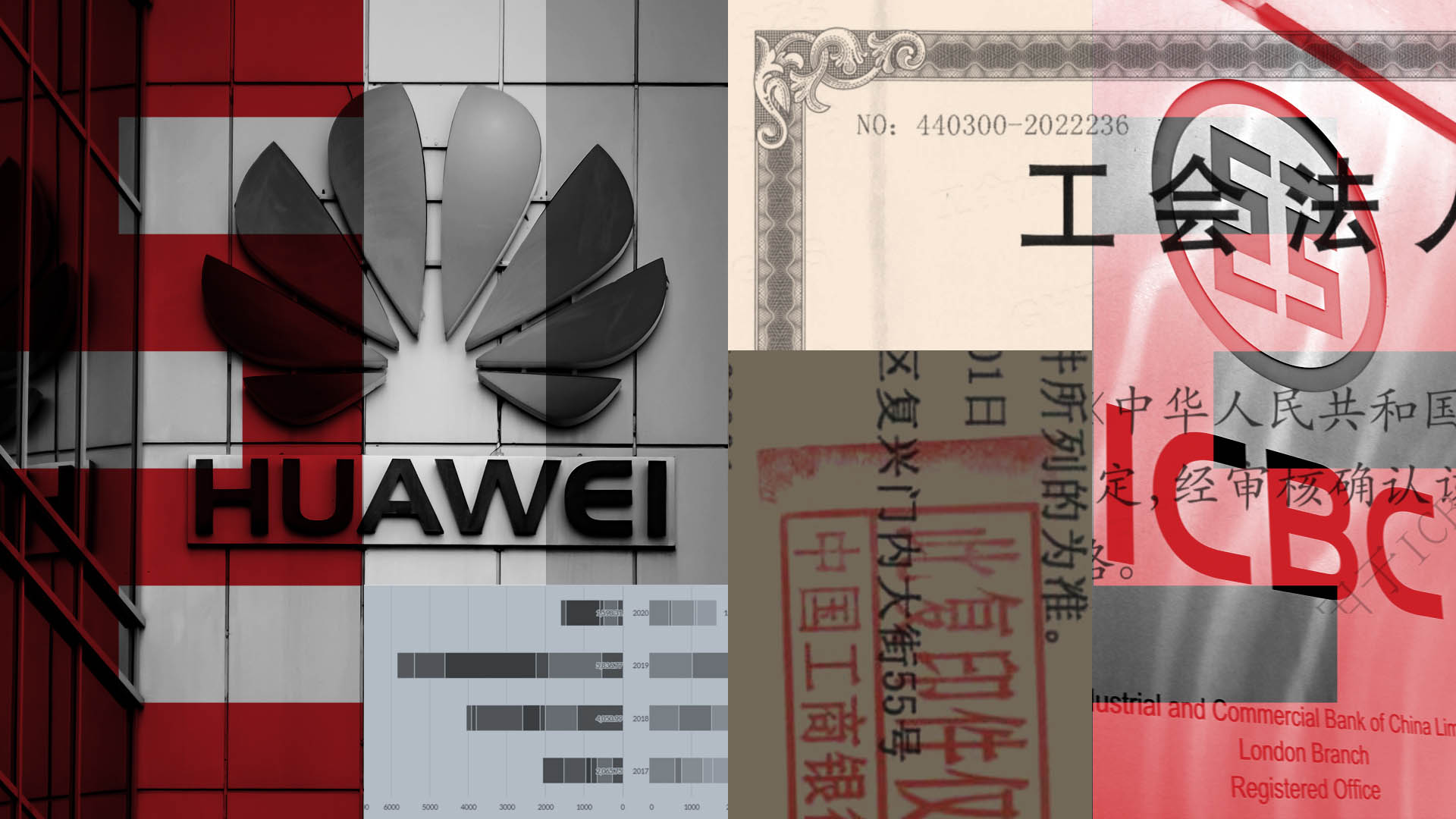
Confidential records reviewed by the International Consortium of Investigative Journalists show how, long before that probe, one of China’s most important financial arms had played a key role in establishing Beijing’s economic foothold in Europe. Over the last decade, the records show, the Industrial and Commercial Bank of China has quietly financed the expansion of Chinese wind technology across the continent.
“ICBC tops the chart of the commercial banks in providing financing to the Chinese solar and wind renewables energy market,” ICBC London officers wrote in an internal 2021 memo.
The bank’s clients included Goldwind Science & Technology Co., Ltd., the world’s top supplier of wind turbines, which is listed on the Shenzhen and Hong Kong stock exchanges and includes Chinese state entities among its largest shareholders. The company controls a relatively small share of the European market but is currently the main target of the EU investigation for obtaining grants, tax and preferential bank loans that allegedly helped it outpace its European peers. Sometimes called the “the Huawei of green energy,” a reference to the Chinese tech giant that has dwarfed its competition thanks to sustained government support, Goldwind’s global revenue topped $10 billion in 2025.
ICIJ examined dozens of internal memos and other bank records from between 2016 and 2024 and found that ICBC London approved more than $140 million in loans to help Chinese state companies acquire shares in at least 16 U.K. wind farms. The bank has also facilitated at least $450 million in financing for Chinese energy firms’ operations in Europe.
The findings are part of ICIJ’s China Capital investigation, which reveals the bank’s unique role in China’s fight for technological supremacy and national self-reliance. The investigation, in collaboration with 23 media partners, is based on 4.8 million confidential files from ICBC’s London branch and a U.K. subsidiary, referred to together as ICBC London.
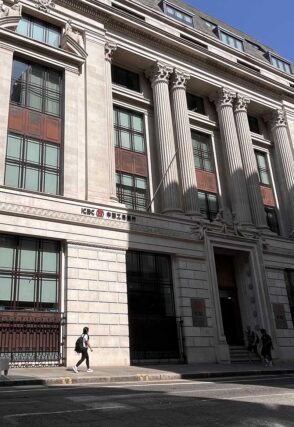
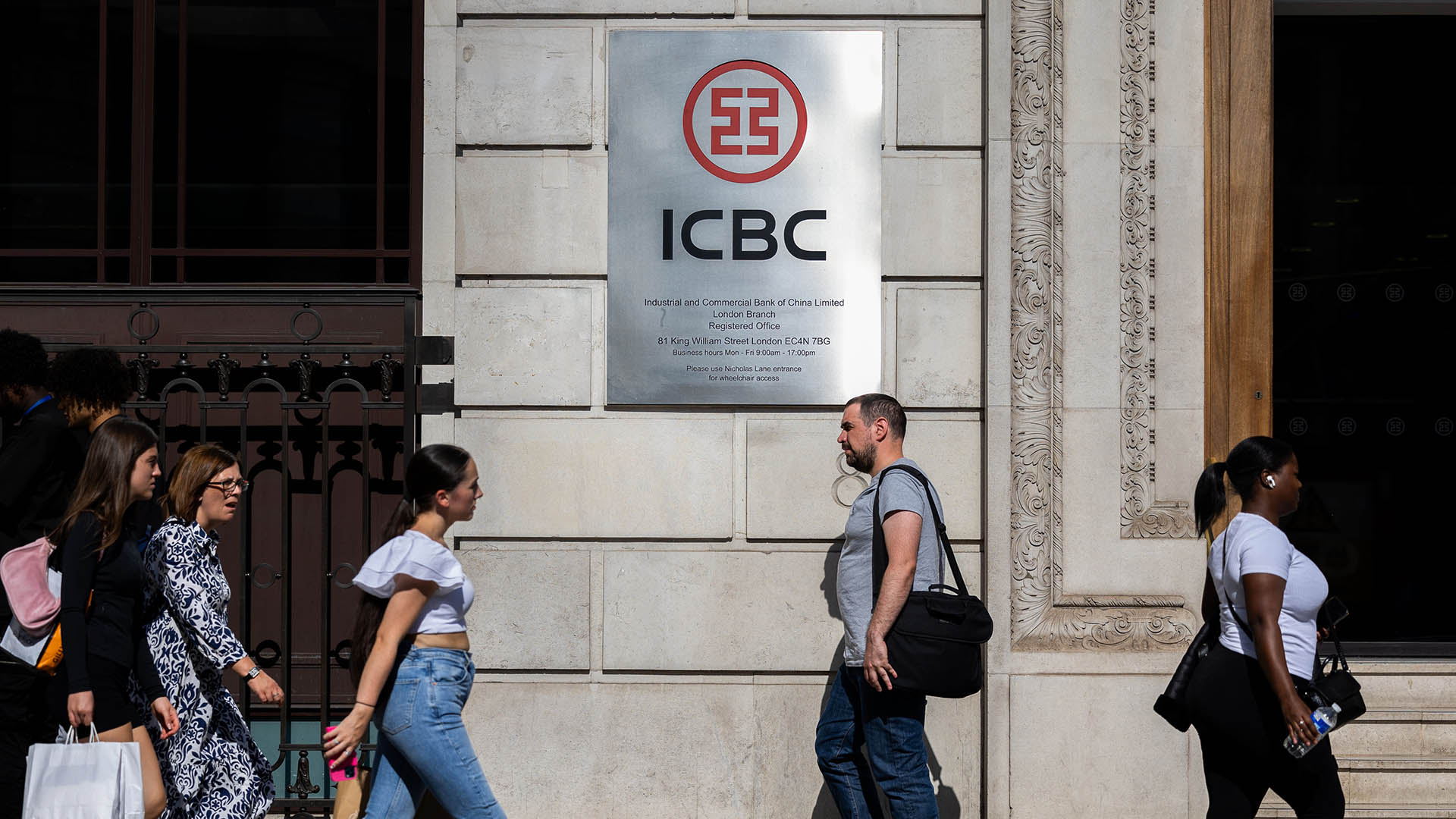
ICBC’s London headquarters. Image: Scilla Alecci/ICIJ
The records provide new details on how ICBC London routinely justified deals as part of its support for the government’s top priorities: the massive infrastructure investment plan known as the Belt and Road Initiative and the industrial policy Made in China 2025.
ICBC London has financed the international expansion of strategic Chinese energy firms, including some accused of benefiting China’s military apparatus and stealing competitors’ industrial secrets, the records show. In Africa, South America and other regions, loans helped China get copper, lithium and other commodities needed to transform its economy while expanding its political influence in resource-rich countries. ICBC did not respond to ICIJ’s requests for comment.
In recent years, the European Commission, the EU’s executive arm, has used new foreign subsidies regulation to crack down on unfair competition and investigate several industries dominated by China. After probing the electric vehicles sector and railroad construction firms, European officials have recently directed their attention toward wind energy.
The EU has launched an investigation into whether Chinese firms distorted the internal market by selling cheap products across the whole supply chain. European manufacturers are still the leading turbine providers in the region, but Chinese companies are expanding, according to the trade organization Global Wind Energy Council.
Experts warn that increasing dependence on China for critical energy infrastructure could make the EU vulnerable to supply chain disruption, outages and even cybersecurity risks if geopolitical tensions rise. Western governments have been on the alert since 2024 when U.S. authorities found that Chinese-state sponsored hackers known as Volt Typhoon had been lying dormant for years inside critical U.S. infrastructure in preparation for future acts of sabotage.
In the case of Goldwind, the European Commission suspects that Chinese government grants, tax breaks and “preferential financing” may have allowed the company “to offer, in certain cases, lower prices than its competitors, thereby winning more wind project tenders in the EU than it would have done in the absence of those foreign subsidies.”
Goldwind didn’t respond to ICIJ’s requests for comment. In a public statement published earlier this year, the company said that it complies with local laws.
Victor Shih, a political science professor at University of California San Diego who has researched technology financing, told ICIJ that bank loans are an important — and often overlooked — form of state subsidy because all Chinese state-owned institutions, including banks like ICBC, support Beijing’s priorities.
“The EU is worried about subsidies, and banks are a big part of the puzzle,” Shih said. “There’s fiscal subsidies, which come from the government budget, but a lot of the investment is financed by bank loans.”
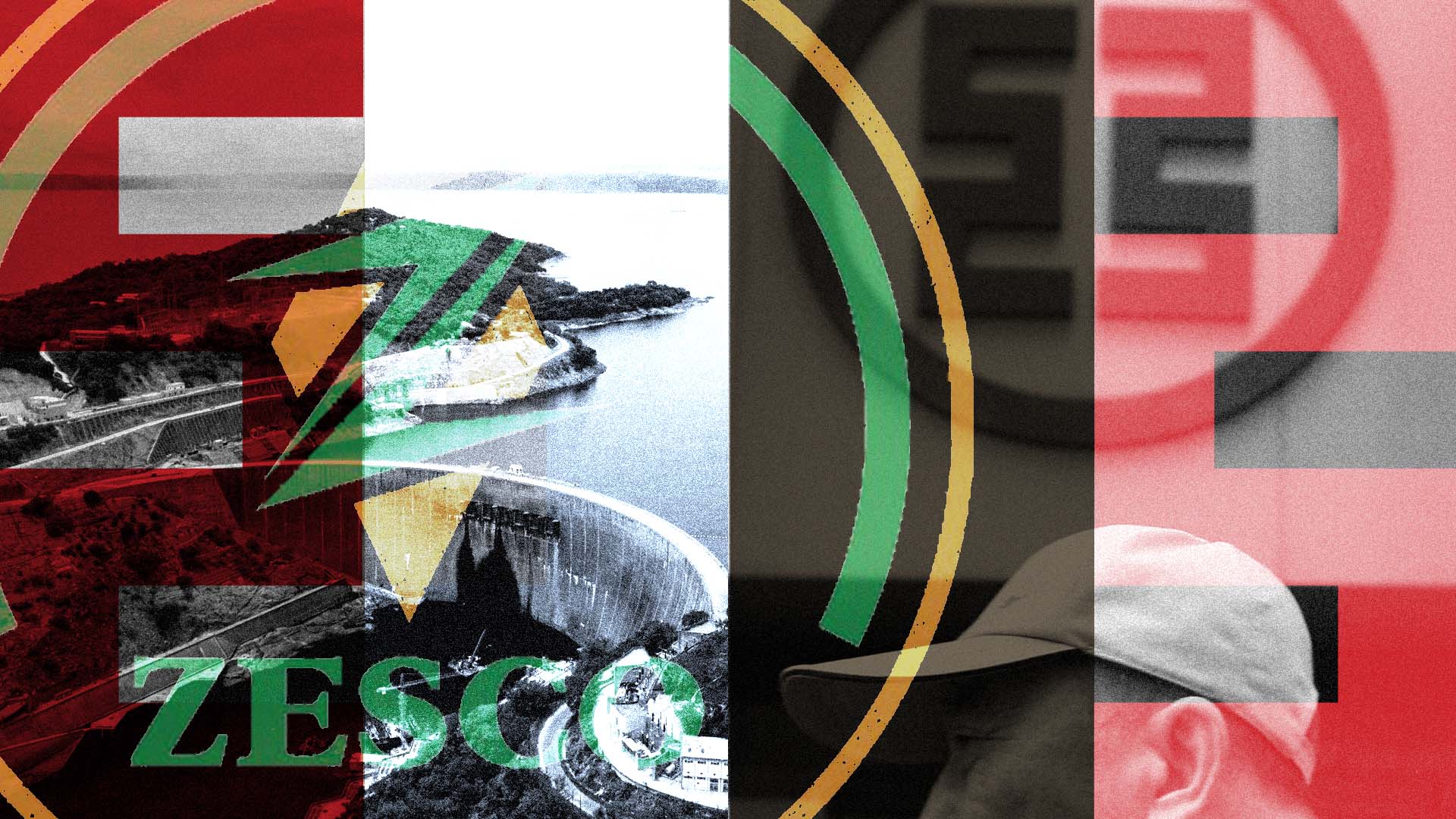
IMPACT UK Parliament debates infrastructure security after China Capital revelations Sep 15, 2026
https://www.icij.org/investigations/china-capital/huawei-icbc-banking-us-court-beijing-london/
Recommended reading CHINA CAPITAL How Beijing’s Africa ambitions, financed by China’s mega banks, triggered a crisis in Zambia Oct 26, 2026 IMPACT UK Parliament debates infrastructure security after China Capital revelations Sep 15, 2026 HUAWEI Chinese bank helped Huawei spirit $1B out of London days after US indictment of the tech giant Sep 14, 2026
also lend to less profitable firms that fulfill Beijing’s green ambitions. “They’re trying to balance these multiple competing objectives that sometimes can contradict.”In a confidential brief for potential lenders, Goldwind touted its insulation from market headwinds as one of its strengths: “Backed by Strong [State Owned Enterprise] background with flexibility from market competition mechanism.”
Goldwind had “strong access to funding owing to government support of low-cost financing to the renewable energy sectors,” the brief said. It also said that its subsidiaries in China benefited from tax breaks or were taxed at a preferential 15% rate because of their involvement in technology development or government-supported projects. The standard rate was 25% at the time.
The company had already received loans “at favourable rates” from five Chinese state banks worth about $11.5 billion and government grants totalling at least $135 million to support research on advanced turbine models, the brief said.
In 2018, as part of a $300 million loan with other banks, ICBC London and two other ICBC branches loaned $110 million to the wind company.
In the following years, Goldwind went on to install thousands of turbines across six continents, including in Australia, North America and Europe. In 2021, ICBC branches also financed the company’s expansion in Ukraine, the records show.
‘A new reality’
In 2024, armed with new powers to combat companies benefiting from foreign state subsidies, the European Commission requested information from several Chinese wind companies to assess whether state financial backing had given them an unfair advantage over their competitors.
Over the last decade, the growth of China’s economy and its increasing technological sophistication combined with Beijing’s shift toward authoritarianism and interventionist policies have triggered a tightening of global trade rules.
“That is a reality of this new era that we’re in,” said Thilo Hanemann, an economist and global trade expert at Rhodium Group, a research firm. Hanemann said the shift had led many governments to reconsider their approach to China to ensure “no individual Chinese investor or bank or company can get to a market position where they could dominate a specific sector area.”
There may be “some certain parts of our economy where we do not want to have either foreign investment overall or especially foreign investment from a non-allied nation,” he said.
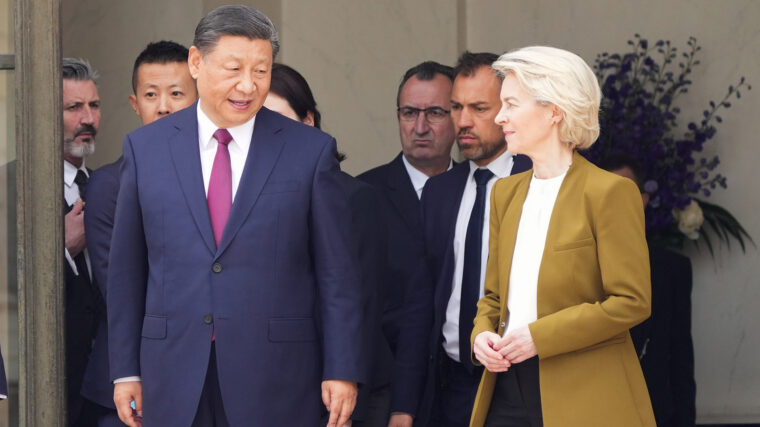
Ursula von der Leyen, president of the European Commission, and Xi Jinping, China’s president, following their meeting in Paris, France, in May 2024. Image: Nathan Laine/Bloomberg via Getty Images
Earlier this year, European officials singled out Goldwind in public statements. While acknowledging the company’s limited presence in Europe, the officials found “sufficient indications” that Goldwind had received foreign subsidies that “may negatively affect competition for the supply of wind turbines and related services in the EU.”
The company said in a public statement that it is cooperating with the European authorities. Beijing has urged the EU to stop the probe and has called the measures against the Chinese firms “discriminatory and restrictive.”
A European Commission spokesperson told ICIJ that the probe is ongoing but declined to elaborate. Besides Goldwind, the agency is “still looking into the rest of the market,” the spokesperson said in an emailed statement.
The wind industry now wants to “level the playing field,” according to Zipf, the WindEurope spokesperson, after Huawei and other Chinese firms upended Europe’s solar sector with cheaper inverters, the devices that turn solar panel output into grid electricity.
“We are a continent that is not very rich in resources,” Zipf said. “So for the time being, solar and wind are the two big mechanisms that we can use to reduce our dependency on fossil fuels. But now the European Union is also clear that they don’t want to swap a dependency on Russian fossil fuel with a dependency on Chinese turbines.”
Contributors: Jesús Escudero (ICIJ)
04.11.2026 à 05:34
A reclusive billionaire, a ‘fearless’ dealer and a globe-spanning feud over priceless art
Jacob Silverman
Texte intégral (1282 mots)
Before everything turned sour, Russian billionaire Dmitry Rybolovlev and Swiss art world figure Yves Bouvier had a flourishing partnership.
Bouvier, a self-proclaimed “fearless” wheeler-dealer, was pioneering the freeport model — a kind of free-trade zone for art, where the ultra wealthy could stash and trade expensive pieces without the art ever leaving the building.
Rybolovlev, a reclusive potash mogul and art collector, was looking to expand his portfolio — and Bouvier was happy to help. For more than a decade, Bouvier worked to help Rybolovlev amass one of the world’s great art collections. Then, their relationship fell apart.
Their globe-spanning, multibillion-dollar feud is at the heart of “The Oligarch and the Art Dealer,” a new documentary from Danish director Andreas Dalsgaard, which dives deep into the shadowy trade in priceless masterpieces.
The film explores the series of lawsuits, criminal cases (that were eventually dropped), dirty tricks-style surveillance operations, and dramatic press coverage that played out after Rybolovlev accused Bouvier of swindling at least $1 billion by lying about the purchase prices of major works and pocketing the difference. (After a drawn-out battle, Rybolovlev and Bouvier eventually settled their dispute, with the terms undisclosed.) It also draws on ICIJ’s Panama Papers investigation, which helped expose how Bouvier used a vast network of offshore companies to move billions of dollars worth of art for his many clients, including Rybolovlev. The film is showing as part of the Double Exposure Investigative Film Festival and Forum in Washington, D.C. this week.
ICIJ spoke with Dalsgaard about how art has become one of the most efficient vehicles for hiding huge amounts of wealth, the challenges of documenting a billionaire oligarch, and how certain U.S. states have become magnets for dark money.
This interview has been edited for length and clarity.
Let’s start with the oligarch of the title of the film. You interviewed people who worked with Dmitry Rybolovlev. He’s a major part of the film, but ultimately, he’s not really there to speak for himself. What kind of character is he to you, beyond just a Russian oligarch?
What was unique in this story is that he never talks — literally never. He’s made one very short interview about the AES Monaco Football Club that he owns. That’s pretty much it. The story is about the dispute between the oligarch Rybolovlev and the Swiss art dealer and freeport magnate Bouvier. And they’ve been fighting it out in courts in eight countries. They’ve had PR teams. They’ve had spies.
So much has been made available to the public and to us through these court cases, everything from years of emails, years of text messages, invoices, whatnot. And to be allowed to look into a world they occupy — which is both the world of the ultra rich and the top echelon of the art market — and see how those deals were made, see how those negotiations take place, see how they communicate with each other, it’s just unique. I don’t know of any other case where that’s been so accessible.
It’s very interesting to me about how art stops being art. You use the phrase “wealth laundering,” and I’m wondering what it was like visiting the Swiss freeport, where thousands of pieces of priceless art are stored but almost never seen.
On one level, it’s just a warehouse. It’s a very, very dull warehouse sitting in this suburban area of Geneva, right next to the highway, close to the airport. It’s just a building. It’s got high security, sure. But it’s really just a building, and from the outside, it looks like any other building, more or less, with the fence.
When you go inside, and you walk around there, then it’s still very dull. It’s just storage. The security there is pretty much on par with Fort Knox. So, on that level, it’s an extremely secure place.
It’s basically still in the opaque international territory we can call offshore, which is the same thing you’re in when you leave the passport check-in in the airport, and then you’re in international waters, so to speak. That’s what the freeport is.
Then, someone came up with the brilliant idea. What if it doesn’t move? It just sits there.
At the same time, if it just sits there, it can be almost like a bank vault, and we can exchange that value amongst each other so I can move $100 million to you through the exchange of an ownership paper on a painting. The painting doesn’t move. It just sits in the freeport, and no one needs to see that exchange of ownership. Contrary to moving money in a bank, because all financial transactions are tracked and are actually available to authorities, this kind of transaction would be completely opaque. And that attracts a lot of people who have an interest in keeping their money hidden.
IMPACT Judge orders Nazi-looted Modigliani linked to Panama Papers be returned to heirs Apr 06, 2026
https://www.icij.org/investigations/panama-papers/20160407-art-secrecy-offshore/
Art The Art of Secrecy Apr 07, 2016
https://www.icij.org/investigations/panama-papers/20160403-divorce-offshore-intrigue/
Recommended reading IMPACT Judge orders Nazi-looted Modigliani linked to Panama Papers be returned to heirs Apr 06, 2026 Art The Art of Secrecy Apr 07, 2016 Offshore secrecy How the One Percenters Divorce: Offshore Intrigue Plays Hide and Seek with Millions Apr 03, 2016
, and it’s only going to get worse. It’s a huge challenge to democracy. It’s the thing that’s going to undermine liberal democracy more than anything, and is doing it right now.—
Tickets are on sale now for the Double Exposure Investigative Film Festival and Forum in Washington, D.C., Nov. 5 to 8, 2026. The Oligarch and the Art Dealer will screen on the opening night of the festival, and will be followed by a Q&A with director Andreas Dalsgaard, producer and co-creator Christoph Jörg, and art dealer and film participant Ezra Chowaiki. Use promo code ICIJ-DX26 to get a 10% discount on tickets.
02.11.2026 à 06:59
Pharma giants pay millions to Russian distributor entangled in corruption allegations to win cancer drug business
Sydney P. Freedberg
Texte intégral (3787 mots)
In selling its blockbuster anticancer drug Keytruda to the Russian government, the pharmaceutical giant Merck turned to a hospital supplier with friends in high places: Alexey Repik, a now-sanctioned oligarch close to Russian President Vladimir Putin and fluent in the ways of Russia and Western business.
A native of Moscow, trained as an economist, Repik started R-Pharm in 2001 after selling his car and borrowing $15,000 from his mother. Serving as an intermediary for pharmaceutical firms bidding on massive government contracts for medicine, the firm took off.
In 2009, the year New Jersey-based Merck forged a strategic alliance with R-Pharm, the Russian company was expanding and soon teamed up with other Western firms and formed new lines of business.
Repik amassed billions of dollars, a mansion in San Francisco and a precious collection of modern art and Japanese prints. He enjoyed high-stakes poker events at luxury casino hotels in the West, joining high-roller pros and gaining a reputation as a somewhat aggressive and unorthodox player. And he attracted scrutiny. Some in the media questioned whether insider connections to government officials helped him win contracts. Repik brushed off the question. “In the classical sense, no,” he said in a 2015 interview. “Officials and shadow leaders have never stood behind us.”
R-Pharm also faced scrutiny from Russia’s Federal Antimonopoly Service, which investigated whether the firm coordinated bidding with other medicine distributors and in separate cases engaged in anticompetitive conduct designed to maintain high drug prices and influence winners.
Yet R-Pharm kept growing, deepening its relationship with Merck by sharing manufacturing know-how and producing medicines jointly. Along the way, Repik became a political heavyweight. He met one-on-one with Putin, was invited to mingle with the super elite at the World Economic Forum and attended Donald Trump’s first presidential inauguration festivities in 2017. The oligarch bragged on Facebook that he was able to “check the handshake strength” of the president-elect. And news investigations later found that an offshore company linked to Repik owned a Bombardier business jet apparently used by one of Putin’s daughters.
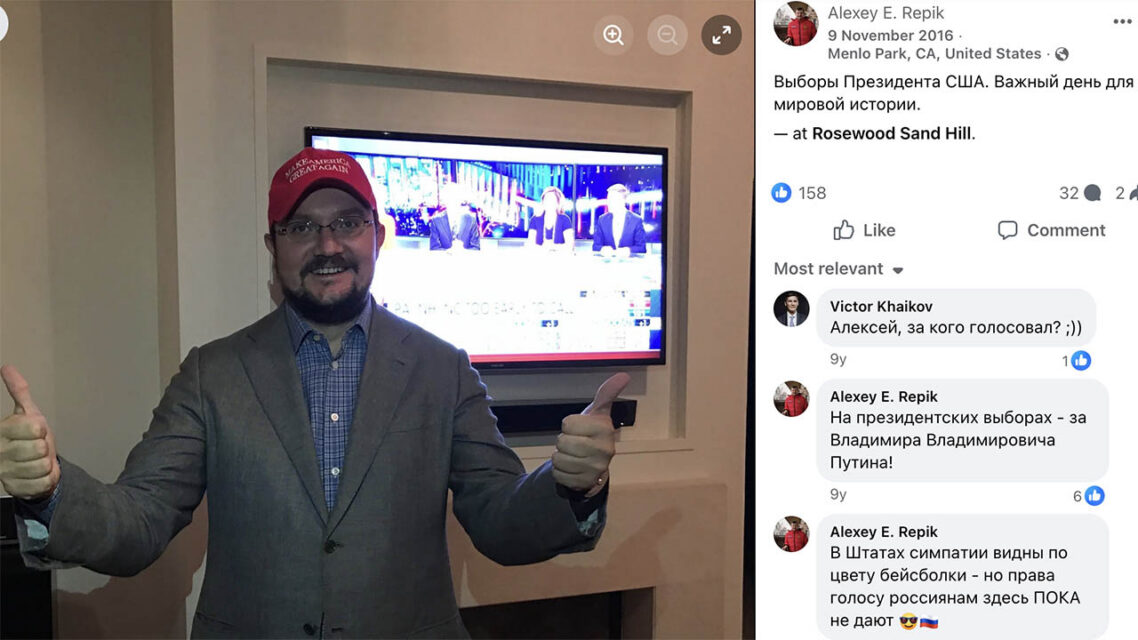
Alexey Repik’s Facebook post from the U.S. election night in 2016 shows him in a red Make America Great Again hat, giving a thumbs up. Image: via Facebook
Merck wasn’t the only major Western drugmaker to partner with a politically connected Russian distributor entangled in corruption allegations. Nor was it the only one to operate in a system in which improper payments, conflicts of interest, bid rigging and inflated medicine prices were recurring public concerns.
Now confidential whistleblower reports obtained by the International Consortium of Investigative Journalists say that four pharmaceutical giants paid tens of millions of dollars to proxies to supply lifesaving drugs to Russian government entities as part of a corrupt system that helped keep prices high and limit access for cancer patients and others with serious ailments.
The probe into the role of intermediaries in Russia’s cancer medicine infrastructure, by ICIJ, Proekt and the Swiss media outlet Republik, is part of ICIJ’s Cancer Calculus project. The series explores strategies that pharmaceutical firms use to maintain multibillion-dollar monopolies and to keep cancer drug prices high — at the expense of patients and depleted healthcare resources around the world.
The new whistleblower reports say that between 2020 and 2023, the drug companies provided “excessive” bonuses to R-Pharm and other intermediaries in Russia, even as those middlemen participated in dubious bidding practices or faced scrutiny for alleged bid rigging or anticompetitive conduct.
These whistleblower reports, made in 2024 and 2025, allege that Merck (known as MSD outside of the U.S. and Canada), Eli Lilly, Novartis and AstraZeneca paid the large sales bonuses, or rebates, to a network of Russian distributors and sub-distributors. The distributors or firms they controlled, in turn, paid government healthcare officials and hospital administrators in return for awarding public contracts and boosting prescriptions of high-priced medicines without real competition, the whistleblower disclosures say.
The Western companies paid bonuses of between 15% and 35%, the disclosures claim, including bonuses based on the volume of a drug bought or other types of incentives. The distributors allegedly used the bonuses to fund kickbacks to officials who approved purchases of drugs such as Merck’s anticancer medicine Keytruda, Eli Lilly’s Cyramza, Novartis’s Kisqali and AstraZeneca’s Tagrisso.
The whistleblower reports are part of a trove of hundreds of pages of documents, including company emails, bidding records and letters to the drugmakers’ audit committees, submitted to the U.S. Securities and Exchange Commission and alleging violations under the U.S. Foreign Corrupt Practices Act. The FCPA prohibits bribery of officials to secure or retain business and requires publicly traded companies to maintain accurate and transparent accounting. The disclosures also said the information would be provided to the Justice Department’s FCPA unit.
about the matter. AstraZeneca declined to comment. Merck and Lilly did not respond to requests for comment.To corroborate some of the whistleblower’s claims, ICIJ reviewed Russia’s public procurement database, as well as procurement records shared by Proekt, for records relating to several bids that the whistleblower reports allege had been rigged. ICIJ also verified the accuracy of facts asserted in the reports, including the name of the drug, the companies involved, dates of the bid solicitations and bid amounts. ICIJ corroborated some of the whistleblower’s claims by reviewing facts asserted in the statements alleging a “fake auction” for a drug bid solicitation.
Granting bonuses is a common business practice in the pharmaceutical sector and sometimes takes a non-cash form, specifically by reducing the outstanding amount that distributors pay for products. Under one bonus arrangement, a drugmaker may send a drug to a distributor in return for a promissory note. The distributor then sells the medicine to a hospital at a government bidding auction. The drugmaker effectively pays a bonus by issuing a credit note that reduces the amount the distributor owes.
Russian distributors told ICIJ they complied with all laws and adhered to strict ethical business standards.

The Ortat Pharmaceutical Plant, operated by the R-Pharma group in the Kostroma region in Russia’s west. Image: via R-Pharm.com
R-Pharm said that its use of bonuses was legitimate and that it was not aware of any investigation into improper payments. “We deny any involvement of R-Pharm and/or its officers and/or affiliates in any instances of improper payments to public officials in Russia or any other country in the world in exchange for non-competitive medicine contracts,” Vasily Ignatiev, R-Pharm’s general director, wrote to ICIJ.
But the whistleblower disclosures claim that the only reason Western companies would provide such large bonuses is because their Russian management teams knew the distributors needed large margins to fund alleged kickbacks for medicines.
The whistleblower reports do not contain evidence of direct payments from intermediaries to government officials, but they do offer an array of red flags that indicate the intermediaries had encountered legal trouble, that the system they were navigating was rife with corruption and that the bonuses the pharmaceutical firms were paying may have been beyond industry norms.
The whistleblower’s claims also raise questions about whether bonuses can improperly influence medical decisions, including whether patients receive the right medicines, whether public funds are used effectively and whether artificially high costs prevent access to treatment for those who need it.
The whistleblower disclosures claim that there was no business justification for such large bonuses and that the Western firms’ conduct “is the very definition of being willfully blind.”
‘Exceptionally large’ bonuses
While problems in Russia’s drug procurement system are publicly known, reforms have been hard to come by because so many distributors and others in the supply chain benefit from it. Meanwhile, many patients can’t access medicines because of limited supply or high prices, and taxpayers must finance a system that experts say is built on bribery instead of one that funds lifesaving medicines.
Under the FCPA, using a third-party distributor doesn’t shield a manufacturer from liability for improper payments. A manufacturer may face liability if it knows or deliberately ignores warning signs that a distributor is using its margins to fund improper payments. Because companies can be held liable for the actions of their distributors, federal regulators expect firms to conduct a thorough due diligence process, including checks into the distributor’s business history, ownership structures and links to government officials.
The whistleblower disclosures say it is unclear whether the companies’ audit and compliance units were “aware of the distributor corruption scheme and have chosen to ignore the scheme to maintain their jobs or have been poorly trained at identifying and preventing systematic FCPA violations.” Letters addressed to the firms’ audit committees, which are part of the whistleblower reports, urge corporate investigators to conduct reviews of the distributor schemes.
The letters to the audit committees mention six key distributors used by the pharma giants that had documented red flags, including alleged shell company transactions, bid-rigging cases, faked auction schemes and high-profile bribery or antitrust investigations. Proekt’s investigation found the bonuses cited in the whistleblower reports were broadly consistent with amounts quoted in a confidential industry survey conducted by the Russian audit firm Kept. That survey found the average bonus paid to government distributors in Russia in 2022 was 30%, seven times as high as bonuses paid to retail distributors selling medicine to pharmacies, according to Proekt. But in a written statement, Kept said it was unfair to compare bonuses in the retail and public sectors. In particular, Kept said the retail market, unlike the government one, involves others in the distribution chain including pharmacy chains and e-commerce players, “which results in additional costs for pharmaceutical companies.”
“Based on this, it is necessary to consider the entire spectrum of relationships among participants in the pharmaceutical market,” a Kept spokesperson said.
Kept added: “Bonus mechanisms regulate exclusively commercial relationships between distributors and pharmaceutical companies and have no bearing on the effectiveness of government procurement.”
Retail distributors supply both prescription and over-the-counter medicines often bought directly by consumers. Government distributors are typically different companies that cover medicines including high-priced cancer drugs under patent, paid for by Russian government agencies. These medicines tend to be purchased through government auctions for public hospitals and public health agencies. The Russian government did not respond to ICIJ’s requests for comment. In his statement, R-Pharm’s Ignatiev described the system as transparent and “based on open competitive bidding procedures.”
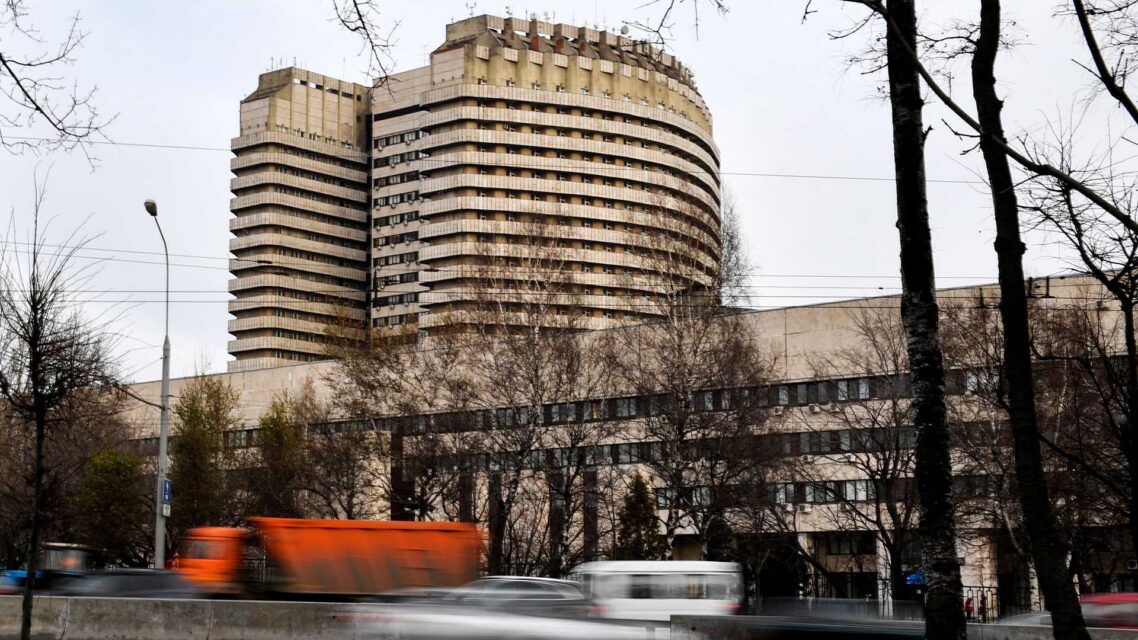
Russia’s N.N. Blokhin Cancer Research Center in Moscow. Image: Alexander Nemenov/AFP via Getty Images
Proekt’s investigation found that bonuses to Russian distributors participating in government auctions were “exceptionally large” compared to several countries where they rarely exceeded 10%.
Researchers and investigators have found that pharmaceutical distributors and other intermediaries can raise the price of prescription medicines. At a 2015 industry compliance conference in Washington, Andrew Ceresney, then-director of the SEC’s Division of Enforcement, said distributors were in a position to “use their margin or spread to create a slush fund of cash that will be used to pay bribes to foreign officials.”
‘There is no competition’
Distributors have been at the center of bribery probes before. In Kazakhstan, the SEC alleged that distributors for the French pharmaceutical giant Sanofi generated funds to bribe Kazakh officials to win contracts and boost sales of the company’s prescription drugs. The SEC issued a cease-and-desist order alleging that Sanofi and distributors typically created a 20% to 30% “discount” to increase distributors’ profit margins, designating some of that money for bribes, and then having the distributor kick back funds to Sanofi employees. Distributors tracked the financial accounting on internal spreadsheets where the kickbacks were masked under the code word “marzipans.” Sanofi paid $25.2 million to settle the allegations in 2018 without admitting or denying wrongdoing.
In Brazil, the SEC found that a subsidiary of Indianapolis-based Eli Lilly allegedly gave a distributor a 17% and 19% discount for drug sales to the government. The SEC described these discounts as “unusually large.” The U.S. investigation showed the distributor used about 6% of the purchase price to pay bribes to Brazilian government officials. Lilly reached a civil settlement with the SEC and agreed in 2012 to pay more than $29 million without admitting or denying the allegations. “Lilly requires our employees to act with integrity with all external parties and in accordance with all applicable laws and regulations,” Anne Nobles, Lilly’s chief ethics and compliance officer, said in a statement at the time. “Since ours is a business based on trust, we strive to conduct ourselves in an ethical way that is beyond reproach.”
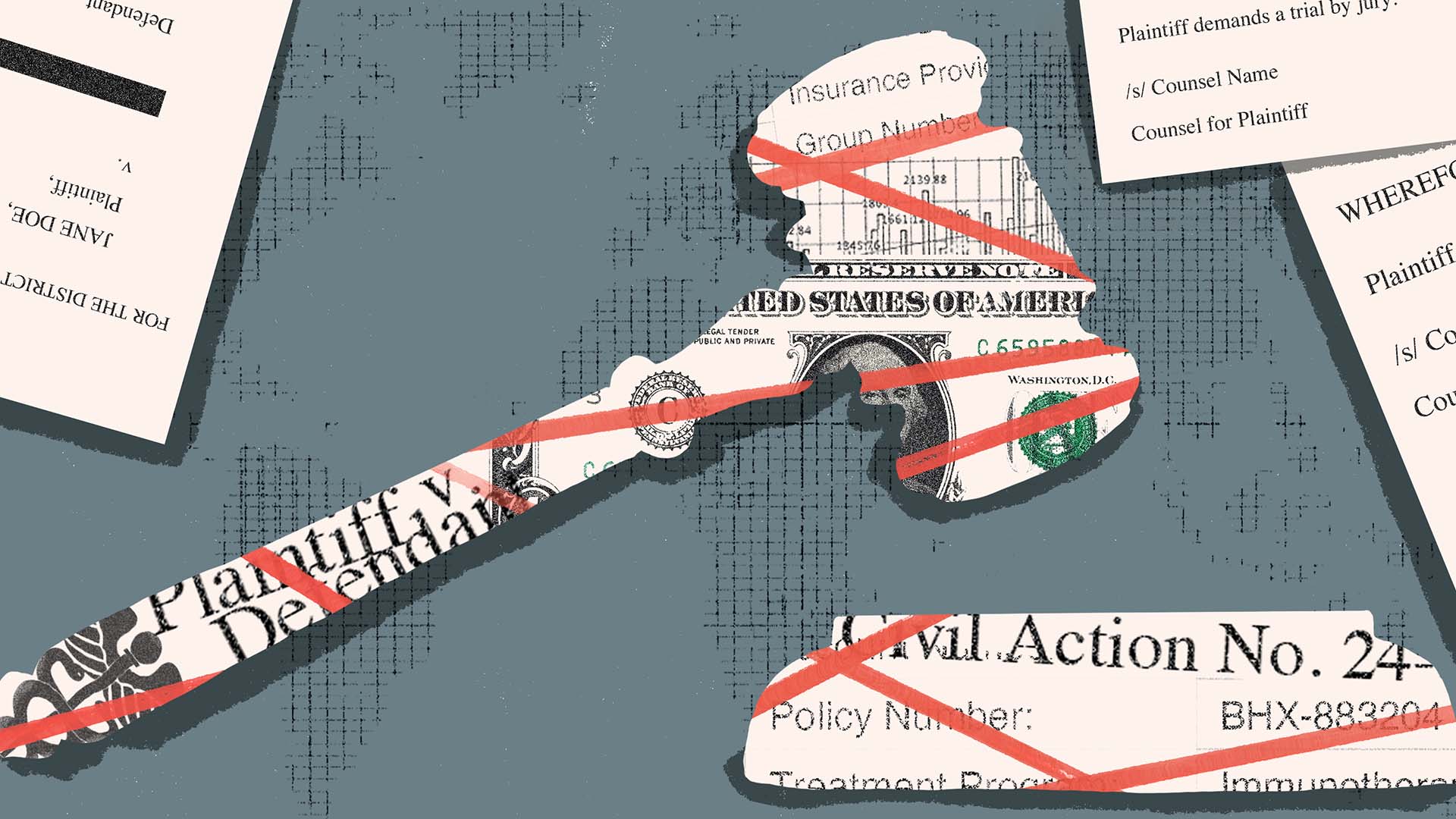
ICIJ reviewed a page from a 2022 Eli Lilly business plan that indicated, without specifying any country, that the company budgeted a bonus of 34% for Cyramza, a costly infusion drug approved to treat various advanced cancers. The whistleblower disclosure in the Lilly case cited nine Cyramza contracts valued at more than $5 million that the Moscow City Department of Health awarded in 2021 to the distributor Pharmstandard. An ICIJ review of Russian procurement data shows that Pharmstandard was the only bidder for most of those contracts. Lilly had provided Pharmstandard a 29% volume bonus for achieving its annual sales target and a 5% bonus for paying on time, according to the whistleblower’s disclosure. “As a result, Lilly received about $3.4 million from these Cyramza tenders,” or bid solicitations, the report said, adding that the distributor’s primary task was to deliver the vials of medicine to the Moscow Health Department’s warehouse in a small truck equipped with a cooler and thermometers.
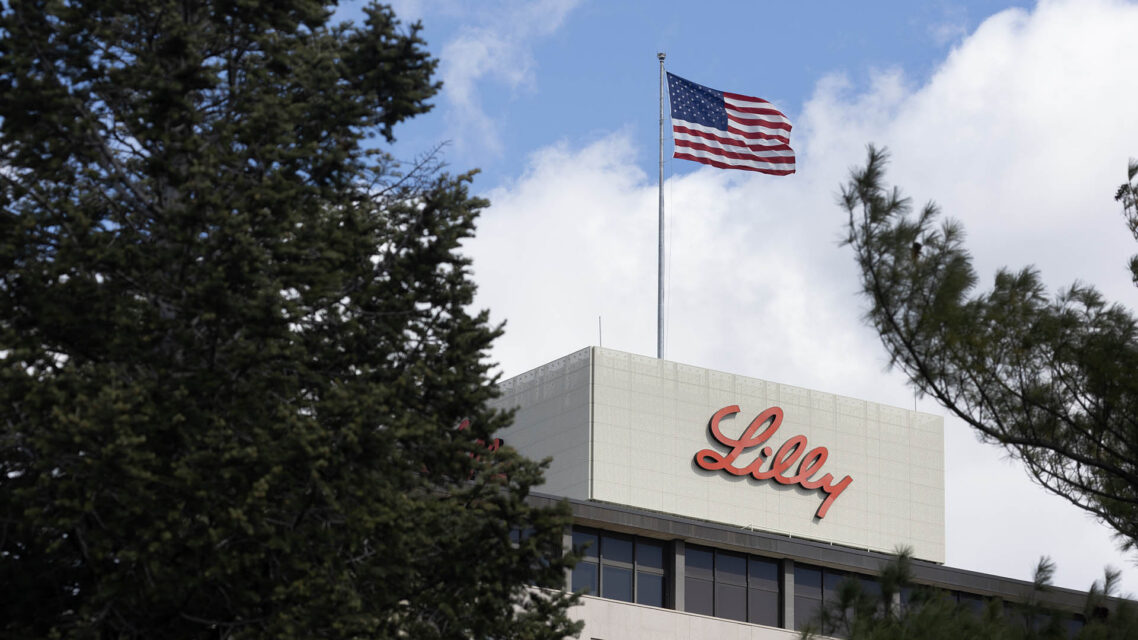
A flag flies above the headquarters campus of Eli Lilly in Indianapolis, Indiana. Image: Scott Olson/Getty Images
Neither Lilly nor Pharmstandard responded to requests for comment. Bidding systems are supposed to secure the lowest possible price for the government. And in many countries, a drug’s official list price is considerably higher than the net price ultimately paid by insurers and government programs. But in Russia, the whistleblower reports allege, distributors often obtained single-participant or noncompetitive awards for medicine. As a result, the price of cancer and other high-cost medicines could end up even higher than the list price. For example, between 2019 and 2023, Tagrisso, a medication used to treat adults with non-small cell lung cancer, had a list price of about $3,000-$3,500 for a box of 30 tablets. Yet the whistleblower’s written report about Tagrisso’s manufacturer, U.K.-based AstraZeneca, said so many batches were awarded without competition that a pack of 30 tablets of Tagrisso was sold at slightly above the list price from 2020 to 2023. “The reason for this is that there is no competition,” the whistleblower wrote to AstraZeneca’s audit committee chairman in 2024. Single bidders won in the majority of the Tagrisso bid solicitations.
Indeed, Russian procurement data reviewed by ICIJ shows single-participant bidding in about 95% of Tagrisso bids from 2020 to 2023.
An AstraZeneca spokesperson declined to comment.
The confidential whistleblower reports also describe how distributors allegedly channeled work through sub-distributors — some allegedly shell companies — that provided an extra layer of plausible deniability to mask allegedly improper payments. Proekt says it found at least 100 shell and “front companies” in different regions that entered bids for medicines supplied by Pharmstandard and R-Pharm.
In his statement, R-Pharm’s Ignatiev said the company “participates in procurement procedures independently and does not appoint distributors and/or sub-distributors.”
A review of Russian procurement data by Proekt and ICIJ confirms some details of the whistleblower’s account of cases relating to Kisqali, the best-selling breast cancer therapy made by Swiss giant Novartis. In one case, two distributors submitted the same bid, allowing the first company that entered the auction to win the contract — what the whistleblower’s report called a clear example of bid rigging.
A Novartis representative told ICIJ: “Novartis takes all allegations of misconduct or irregular business practices by its third-party partners very seriously. Regarding the topic in question, Novartis conducted a thorough investigation into the specific activities.”
The whistleblower reports about Novartis and AstraZeneca urged the companies’ audit committees to review why the firms used the distributor Pharmimex to obtain government contracts for oncology and rare drugs.
https://www.icij.org/investigations/cancer-calculus/merck-keytruda-cancer-drug-price/
https://www.icij.org/investigations/cancer-calculus/keytruda-evergreening-patents-merck/
INTERACTIVE How Merck uses patents to help maintain Keytruda’s exorbitant price Apr 13, 2026
Recommended reading OVERVIEW How Merck turned its wonder drug into a blockbuster — and priced out cancer patients worldwide Apr 13, 2026 INTERACTIVE How Merck uses patents to help maintain Keytruda’s exorbitant price Apr 13, 2026 INSURERS ‘They deny the medication that is keeping you alive’: Patients wage grueling legal battles for lifesaving cancer drug Apr 13, 2026
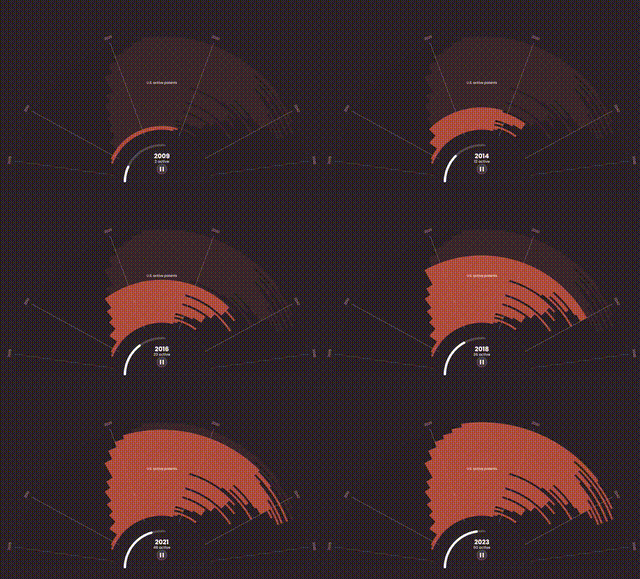
ough noncompetitive awards.Keytruda public procurement records reviewed by ICIJ show that R-Pharm dominated the public market from 2020 to 2022, winning 2,400 out of nearly 5,000 Keytruda bids (about $360 million worth of contracts out of a total $870 million). A closer look at the data shows that 96% of all bids were with a single participating company.
Keytruda bids won by R-Pharm By others Source: Public procurement records.
But Ignatiev stressed that the firm had a license to be Merck’s local production partner for Keytruda, which was under patent with no competing drug in Russia at the time. “If such local partner holds a license from the patent holder granting it the right to carry out the final stages of production and release quality control, the primary source of supply of that drug can be none other than this local partner,” Ignatiev wrote in reply to ICIJ’s questions.
The whistleblower report said that R-Pharm allegedly funneled some contracts to affiliates “to make it appear on paper that other companies are also winning some of the Keytruda business, even though R- Pharm is controlling everything and has a monopoly on supplying Keytruda to the Russian government.”
Ignatiev noted that Keytruda’s prices in Russia were lower than in many countries, including the U.S. and China. Still, R-Pharm reported revenue of nearly $2.5 billion in 2021, with Keytruda as 25% of its top 10 product revenue mix, according to an investors presentation. And the drug soon became a Russian and global blockbuster, leading public procurement of oncology medicines.
Meanwhile, Repik’s influence grew as he gained direct access to Putin. He had a private working meeting with the president in the Kremlin in December 2021 and again the following year.
But Repik’s Western ties unraveled after Russia invaded Ukraine in February 2022. The U.K., Canada, Australia and Ukraine sanctioned Repik because of his ties to Putin. The oligarch left the company he built as Merck and other Western giants scaled back operations in Russia. Ramping up a campaign to get drugmakers to produce medicines within Russia, Putin began dismantling protections for foreign patent holders, particularly those from “unfriendly countries.”

Merck headquarters in Rahway, New Jersey. Image: Christopher Occhicone/Bloomberg via Getty Images
The push led to Russia’s first generic version of Keytruda, Pembroria, manufactured by Biocad and priced at about $1,300 for a single 100 milligram vial. An even cheaper copycat produced by R-Pharm, Arfleyda, hit the market shortly thereafter. Its maximum price: about $1,000 a vial, nearly half the price of Merck’s Keytruda. Merck had lost most of its Keytruda business in Russia.
The whistleblower report included internal Merck emails indicating that the company received the report in July 2024 and that Merck retained the law firm Jones Day to advise it on the allegations. “Merck has engaged us to represent the company in this matter,” Jones Day partner Jordan Matthews wrote in an email that was included in the whistleblower’s report to the SEC.
Matthews did not respond to requests for comment, nor did Merck. The report also said the whistleblower’s claims were submitted to the SEC in November 2024 and would be sent to the Justice Department’s FCPA Unit.
The Trump administration cut back on FCPA enforcement in 2025. The SEC effectively disbanded its FCPA unit, and the U.S. shifted Justice Department prosecutors away from corporate bribery investigations toward cases targeting drug cartels.
Contributors: Roman Badanin, Mikhail Rubin, Kate Reznikova (Proekt); Philipp Albrecht and Timo Kollbrunner (Republik); Agustin Armendariz and Dean Starkman (ICIJ). Data visualization: Antonio Cucho (ICIJ)
30.10.2026 à 15:02
Egyptian court orders closure of news site Mada Masr and fines editor Lina Attalah, sparking international outcry
Nicole Sadek
Lire plus (397 mots)
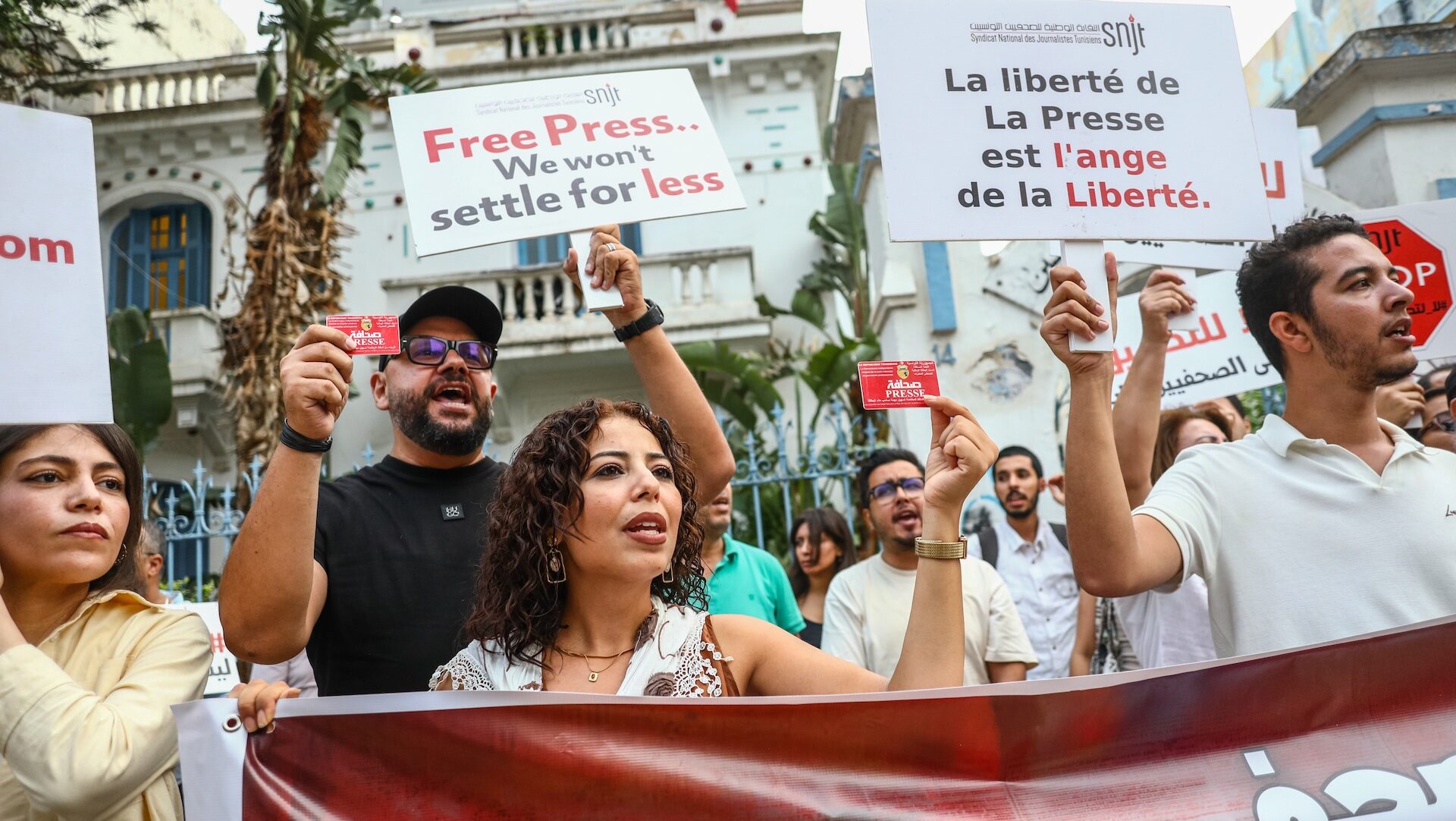
A Cairo court on Tuesday ordered the closure of news outlet Mada Masr and convicted its editor-in-chief Lina Attalah of managing an unlicensed website. The ruling sparked outrage among press freedom advocates, who warned it marked a significant escalation in ongoing attacks against independent media in Egypt.
Attalah was briefly detained and ordered to pay the maximum penalty of 3 million Egyptian pounds, equivalent to more than $50,000, according to Mada Masr. Upon her release, Attalah learned a one-year prison sentence was issued against her in absentia in 2024 on separate charges of publishing false news and operating an unlicensed website. Her lawyers challenged the ruling, and a retrial is scheduled for Nov. 11, Mada Masr reported.
“If Egypt can put in custody one of its most respected editors and shut down her newsroom, no independent journalist in the country is safe,” Sara Qudah, regional director of the Committee to Protect Journalists, said in a public statement.
Recommended reading PRESS FREEDOM ‘Bought-off, corrupt’: Argentine president attacks ICIJ member Hugo Alconada Mon Oct 27, 2026 PRESS FREEDOM Tunisian court dismisses case to dissolve publisher of ICIJ partner Inkyfada Oct 09, 2026 PRESS FREEDOM ICIJ journalist Micah Reddy freed after 4 days in secretive Djibouti custody Sep 22, 2026
29.10.2026 à 22:43
Amazon mining boss wanted by Brazil for sheltering Jair Bolsonaro’s spy chief has businesses, properties in Florida
Brenda Medina
Lire plus (487 mots)
A Brazilian gold miner wanted for allegedly helping former President Jair Bolsonaro’s spy chief flee to Florida has built a network of companies and properties in the Sunshine State, ICIJ media partner Agência Pública reports.
Rodrigo Martins de Mello and his family are under investigation by Brazil’s Federal Police for helping Alexandre Ramagem, the former director of the country’s intelligence agency, escape Brazil and sheltering him in Miami, ICIJ and Agência Pública reported on Oct. 22.
De Mello, known as Rodrigo Cataratas, is a strong Bolsonaro supporter. Convicted of leading illegal gold mining on Yanomami Indigenous land, De Mello champions Brazil’s informal miners to his more than 43,000 Instagram followers, attacks the leftist government and calls for amnesty for Bolsonaro, Agência Pública reported. That campaign suffered a blow Oct. 25, when President Luiz Inácio Lula da Silva came from behind to defeat Bolsonaro’s son Flávio in the presidential runoff. Three days after the election, Flávio, under investigation in Brazil for alleged money laundering, also fled to Florida.

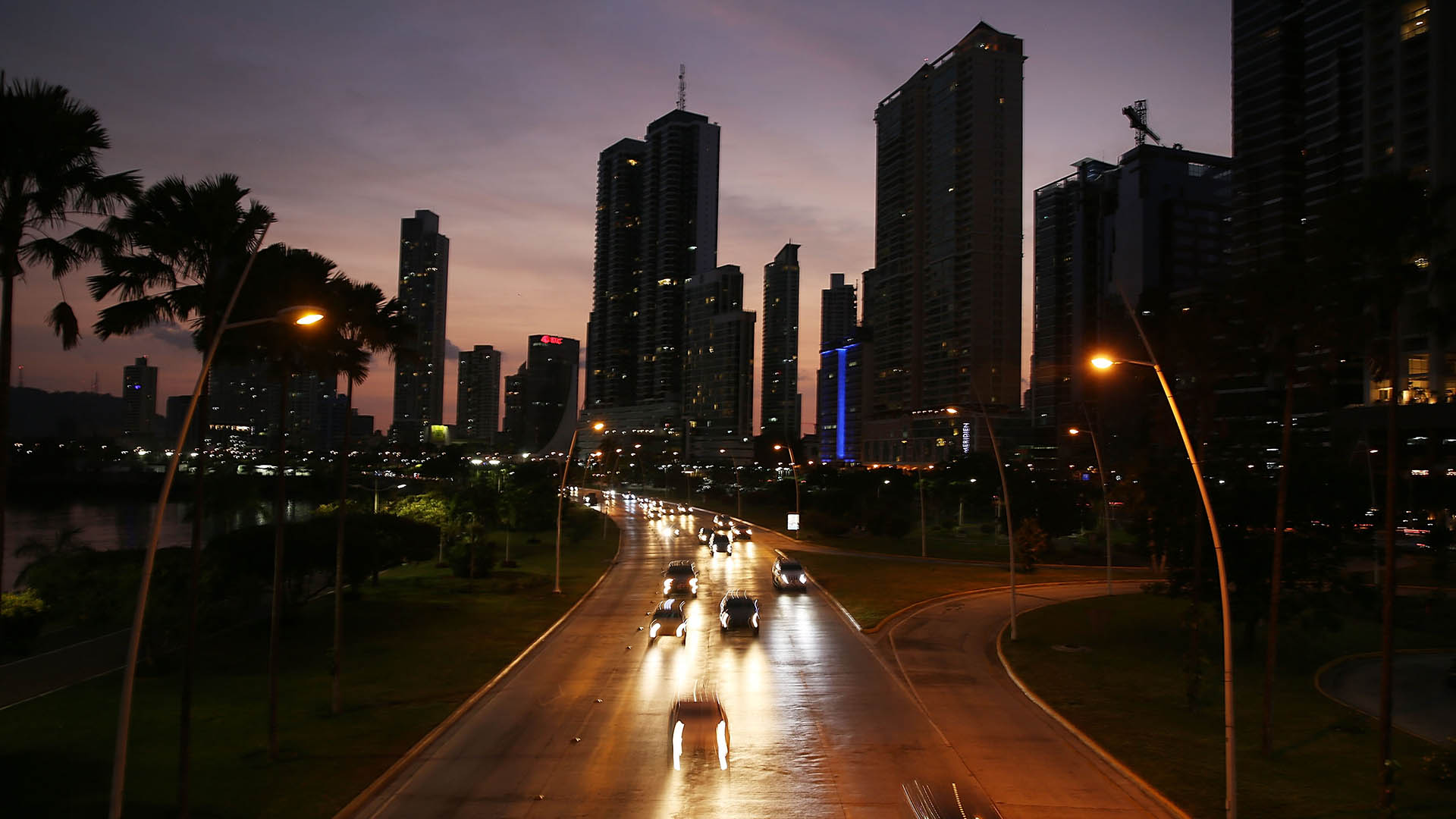
PANAMA Panama removed from EU’s tax haven ‘blacklist’ a decade after the Panama Papers Oct 15, 2026
Recommended reading LATIN AMERICA The US is letting a convicted Bolsonaro spy chief stay in Florida. Brazil wants answers. Oct 22, 2026 PRESS FREEDOM ‘Bought-off, corrupt’: Argentine president attacks ICIJ member Hugo Alconada Mon Oct 27, 2026 PANAMA Panama removed from EU’s tax haven ‘blacklist’ a decade after the Panama Papers Oct 15, 2026
29.10.2026 à 10:20
New evidence links Singapore palm oil giant to Indonesian deforesters, despite denials
Scilla Alecci
Lire plus (458 mots)
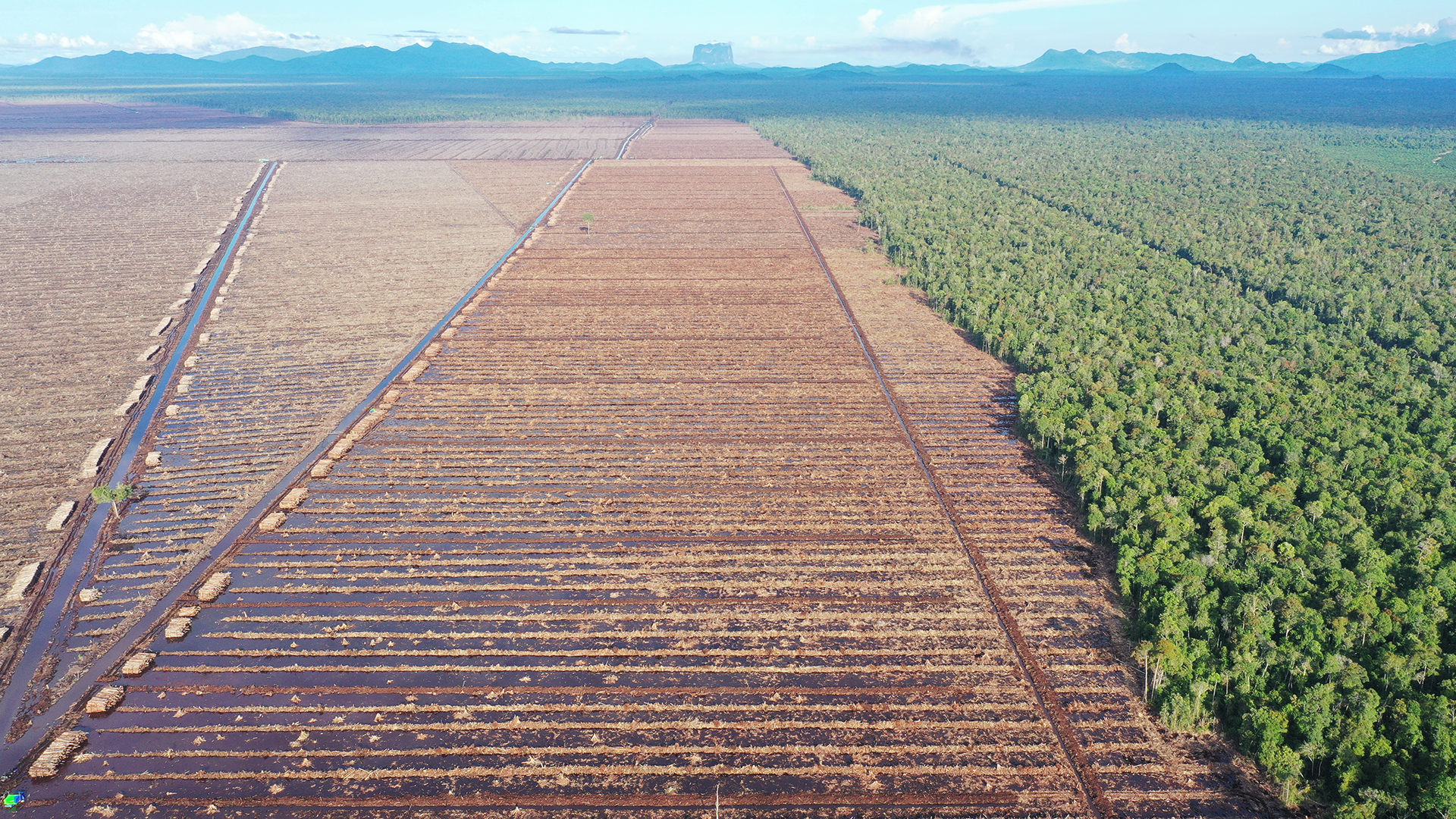
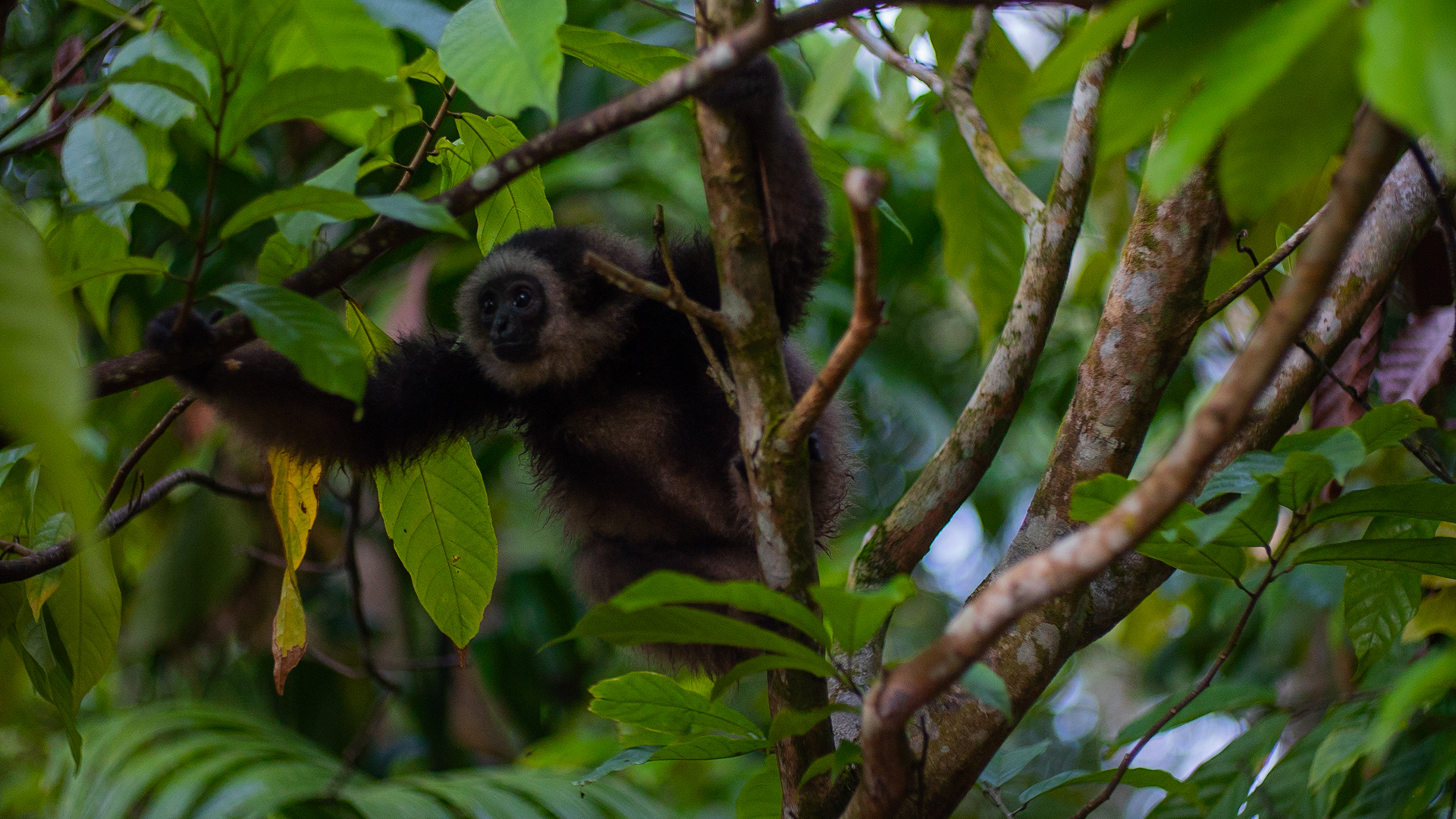
One of the world’s largest palm oil producers allegedly misled investors and corporate customers when it denied links to Indonesian suppliers accused of deforestation, a group of environmental organizations found.
The Singapore-based First Resources group, owned by the billionaire Fangiono family, oversees more than 270,000 hectares of oil palm plantations and is currently under scrutiny as Indonesia and neighboring nations battle a toxic haze caused by illegal fires used to clear land for agriculture.
In 2024, First Resources rejected allegations by the Gecko Project, a partner of the International Consortium of Investigative Journalists, which had linked the conglomerate to a company now known as Kalimantan Agro Sejahtera (KAS) and palm oil firms allegedly responsible for deforestation on the island of Borneo. The findings were part of Deforestation Inc., a cross-border investigation led by ICIJ that exposed how a lightly regulated sustainability industry overlooks forest destruction and human rights violations when granting environmental certifications.
IMPACT Brands drop Singapore-listed palm oil giant after Deforestation Inc. exposé Mar 20, 2024
Recommended reading DEFORESTATION INC Indonesian billionaire family accused of controlling ‘shadow company’ group linked to major deforestation Oct 30, 2024 ACCOUNTABILITY An ‘anonymous’ company secretly linked to an Indonesian billionaire is destroying Borneo’s rainforests, environmentalists say Mar 19, 2024 IMPACT Brands drop Singapore-listed palm oil giant after Deforestation Inc. exposé Mar 20, 2024
he findings show that “buyers, investors and certification bodies need to step up their due diligence.”27.10.2026 à 22:45
‘Bought-off, corrupt’: Argentine president attacks ICIJ member Hugo Alconada Mon
Isabella Cota
Lire plus (443 mots)
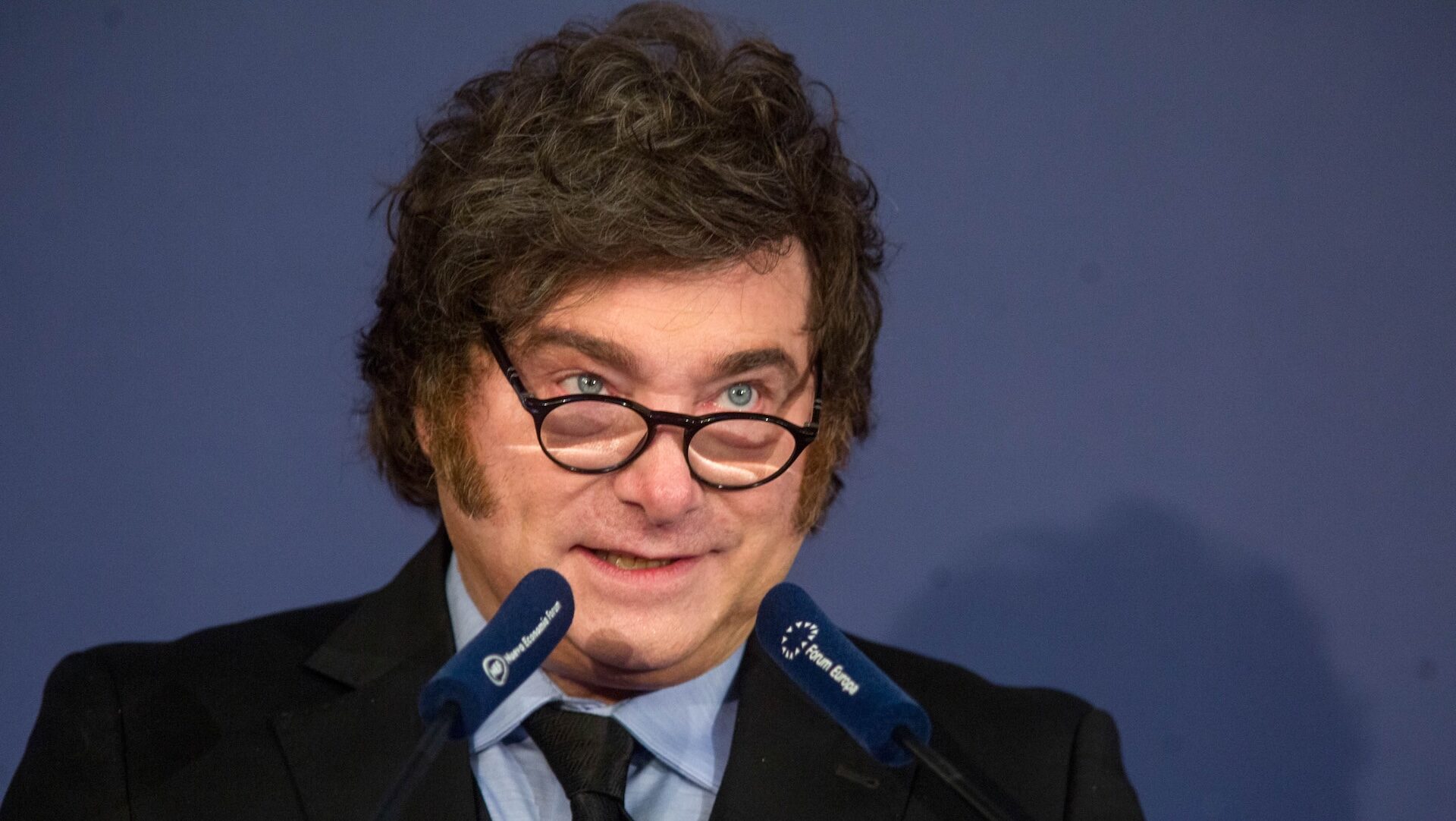
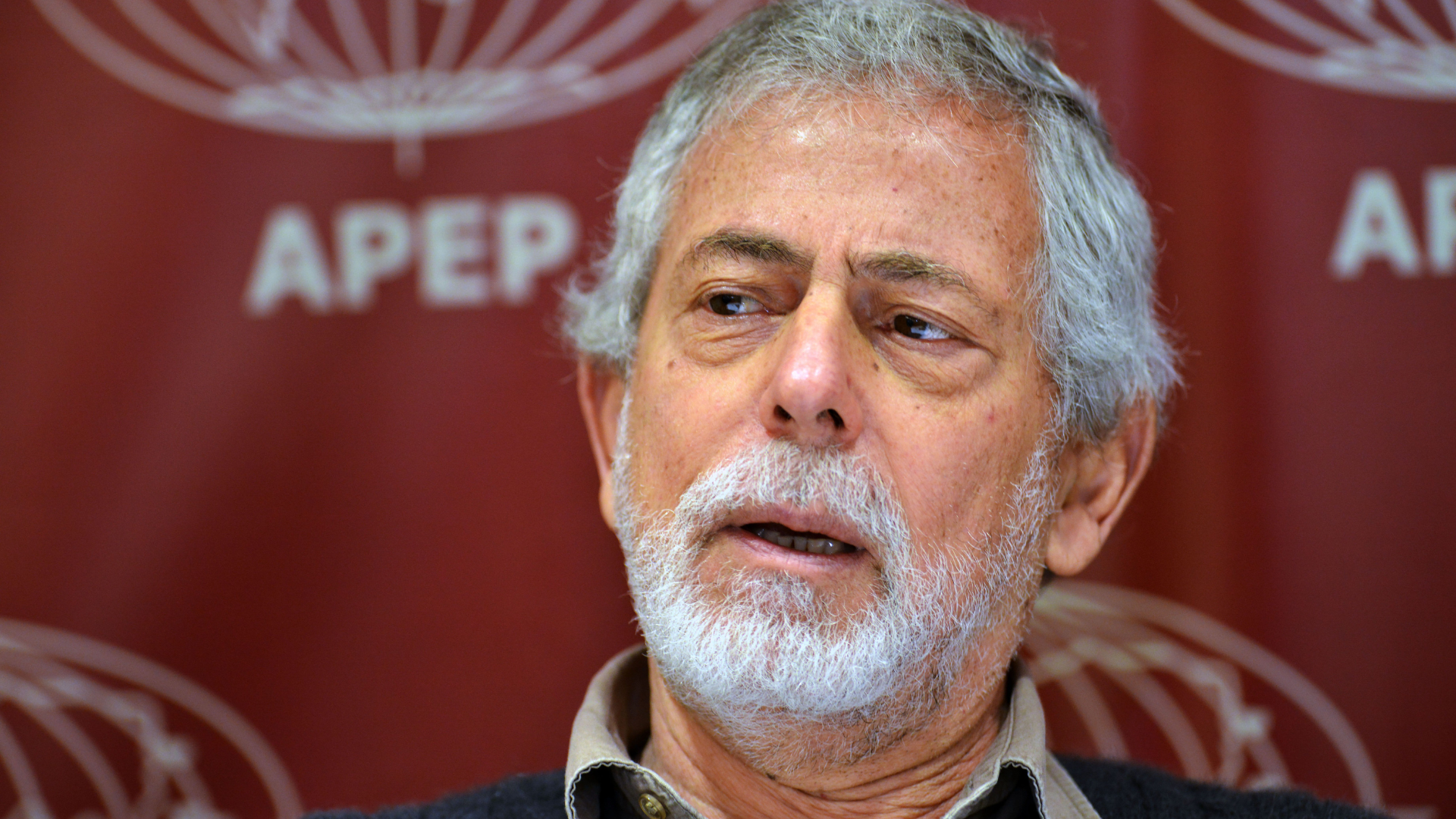
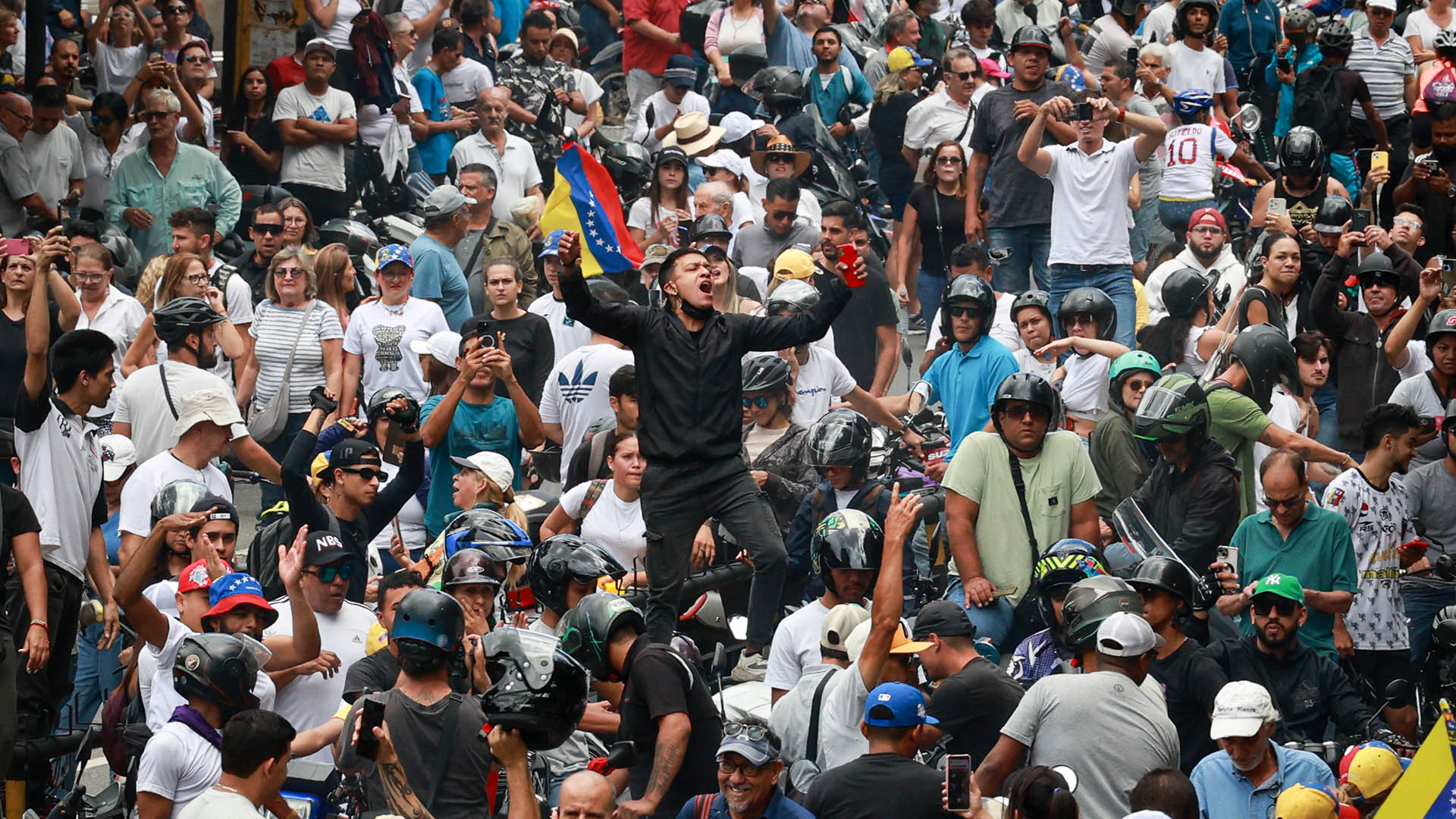
Argentine president Javier Milei escalated his rhetoric against journalists on Friday, singling out veteran investigative reporter and ICIJ member Hugo Alconada Mon along with four other reporters as “mercenaries of lies” and suggesting they should be “burned at the stake.”
Journalists associations in the country leapt to their colleagues’ defense, calling the remarks a “death threat” and asking the United Nations special rapporteur for freedom of expression to intervene. The remarks took place at a private, livestreamed event after a judge dropped a fraud investigation into Milei and his sister that was propelled by reporting into the so-called ‘$Libra scandal.’
In 2025, the president posted on the social media platform X about $Libra coin, a cryptocurrency available for trade in Argentina, saying it would help finance small businesses. The price skyrocketed and then fell sharply after the president deleted his post, causing significant losses to some investors.
Journalists, including Alconada Mon, subsequently reported ties between the creators of $Libra, Milei and his sister, Karina Milei, dating back to 2024, prompting investors to file a complaint accusing the president and his sister of fraud and influence peddling.
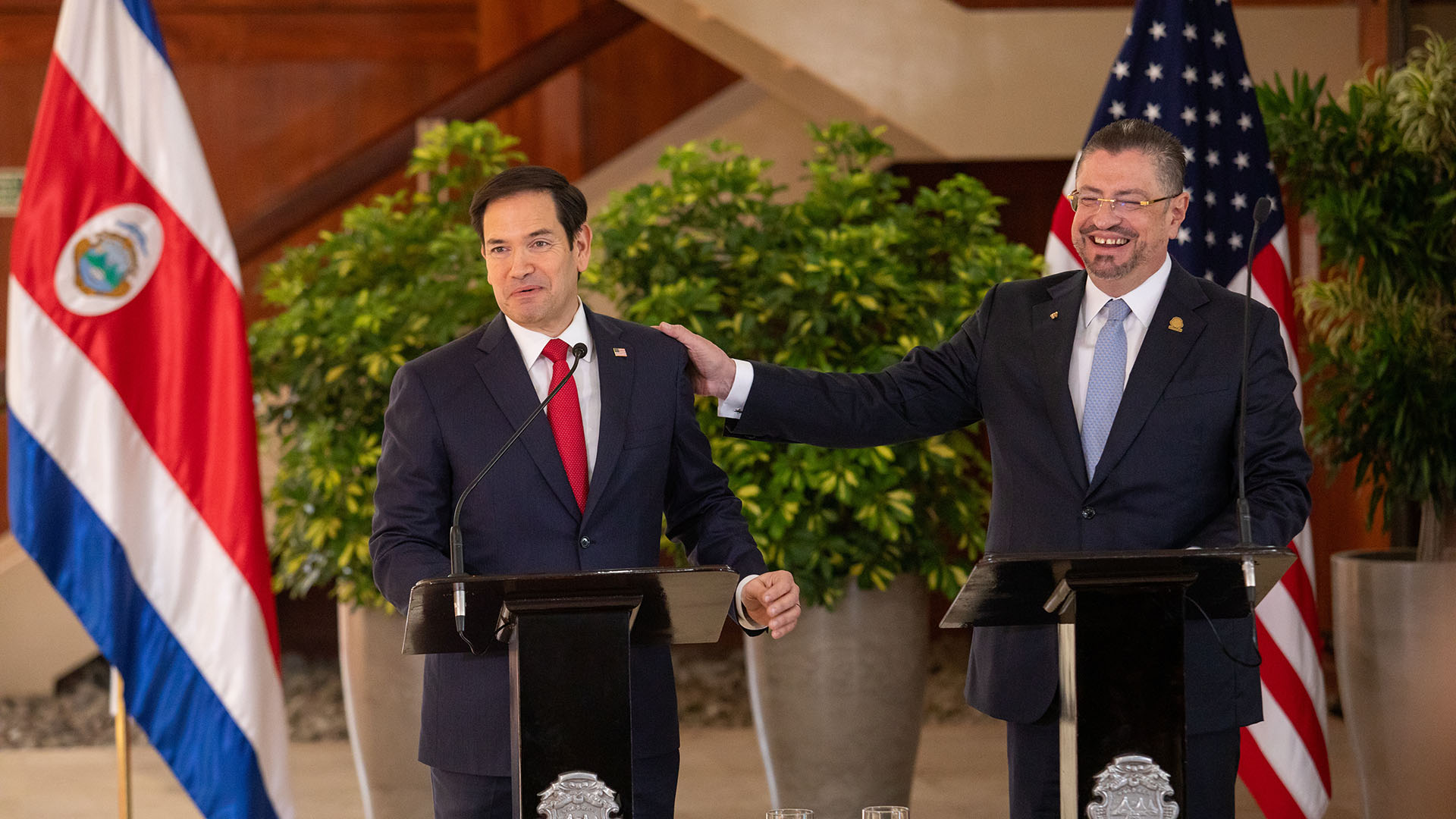
PRESS FREEDOM US bars executives of Costa Rica’s leading newspaper La Nación from entry May 06, 2026
Recommended reading PRESS FREEDOM Journalists in Peru seek protection from justice system amid rising threats, harassment by officials Sep 26, 2025 PRESS FREEDOM ‘Many journalists have left’: How post-election repression compounded press freedom fears in Venezuela Nov 15, 2024 PRESS FREEDOM US bars executives of Costa Rica’s leading newspaper La Nación from entry May 06, 2026
- GÉNÉRALISTES
- Le Canard Enchaîné
- La Croix
- Le Figaro
- France 24
- France-Culture
- FTVI
- HuffPost
- L'Humanité
- LCP / Senat
- Le Media
- La Tribune
- Time France
- EUROPE ‧ RUSSIE
- Courrier Europe Ctrale
- Desk-Russie
- Euractiv
- Euronews
- Toute l'Europe
- Afrique ‧ Asie ‧ Proche-Orient
- Haaretz
- Info Asie
- Inkyfada
- Jeune Afrique
- Kurdistan au féminin
- L'Orient - Le Jour
- Orient XXI
- Rojava I.C
- INTERNATIONAL
- Courrier International
- Equaltimes
- Global Voices
- Infomigrants
- I.R.I.S
- The New-York Times
- OSINT ‧ INVESTIGATION
- OFF Investigation
- OpenFacto°
- Bellingcat
- Disclose
- G.I.J
- I.C.I.J
- OPINION
- Au Poste
- Cause Commune
- CrimethInc.
- Hors-Serie
- L'Insoumission
- Là-bas si j'y suis
- Les Jours
- LVSL
- Politis
- Quartier Général
- Rapports de force
- Reflets
- Reseau Bastille
- StreetPress
- OBSERVATOIRES
- Armements
- Acrimed
- Conspisme
- Culture
- Curation IA
- Extrême-droite
- Human Rights Watch
- Inégalités
- Justice fiscale
- Liberté de création
- Multinationales
- Situationnisme
- Sondages
- Street-Médics
- Routes de la Soie
- Wokisme