01.10.2026 à 10:48
Gunvor publicly condemned Russia’s war but continued to do business with Russian energy firms, records show
Scilla Alecci
Lire plus (498 mots)
Shortly after Russia’s full-scale invasion of Ukraine in 2022, several major trading firms pledged to stop or reduce new dealings with Russian businesses, joining global efforts to weaken Vladimir Putin’s military machine.
One of them was Gunvor Group, a company co-founded by a Swedish businessman and a Russian oligarch close to the Kremlin. In 2014, a U.S. Treasury Department report said that Putin himself had investments in the energy trading firm and may have had access to its funds. Since then, Gunvor’s co-founders have exited, and the company, now valued at about $5 billion, has over the last decade sought to shake its image as a Putin investment tool.
Gunvor has publicly condemned Russia’s war in Ukraine, and in 2023 corporate filings stated that it had “largely wound-down the trade of Russian oil and products.”
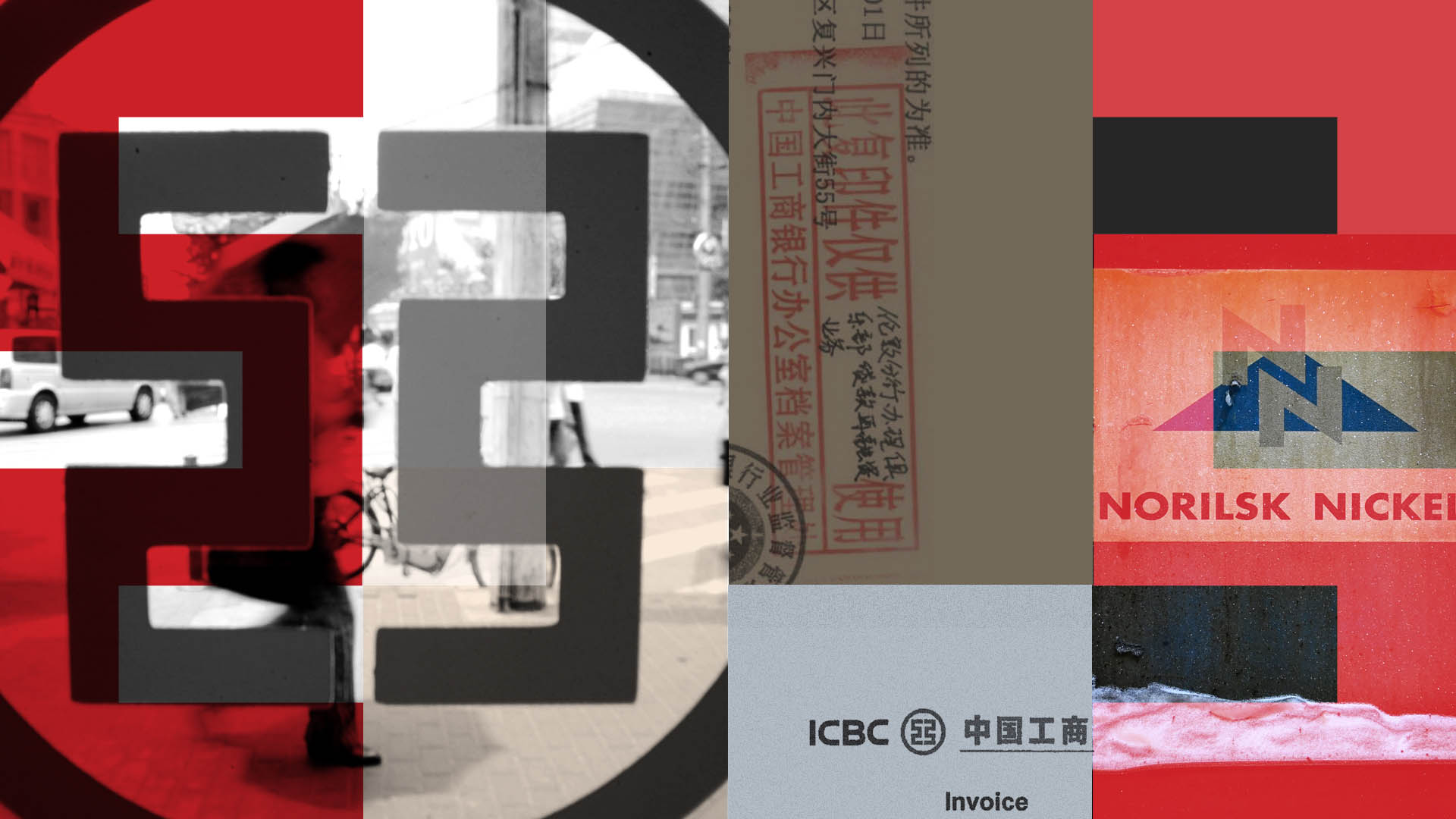
Now, confidential records reviewed by Swedish daily Göteborgs-Posten and the International Consortium of Investigative Journalists show how, despite its public pledges, the trader, using some of its subsidiaries, continued doing business with sanctioned Russian oil and gas producers.
The records come from the archives of the U.K. operations of the Industrial and Commercial Bank of China, the world’s largest bank by asset size and one of Gunvor’s lenders.
https://www.icij.org/investigations/china-capital/china-banking-icbc-oligarchs-sanctions-london/
Recommended reading OVERVIEW Chinese banking giant serves firms linked to oligarchs and autocrats to push Beijing’s agenda Sep 14, 2026 PARTNER STORIES China Capital stories reveal how ICBC advanced China’s political goals across four continents Sep 23, 2026 CORRUPTION ICBC promoted corrupt executive, ignored employee misconduct as it pursued global expansion Sep 14, 2026
23.09.2026 à 20:29
China Capital stories reveal how ICBC advanced China’s political goals across four continents
Scilla Alecci
Texte intégral (930 mots)
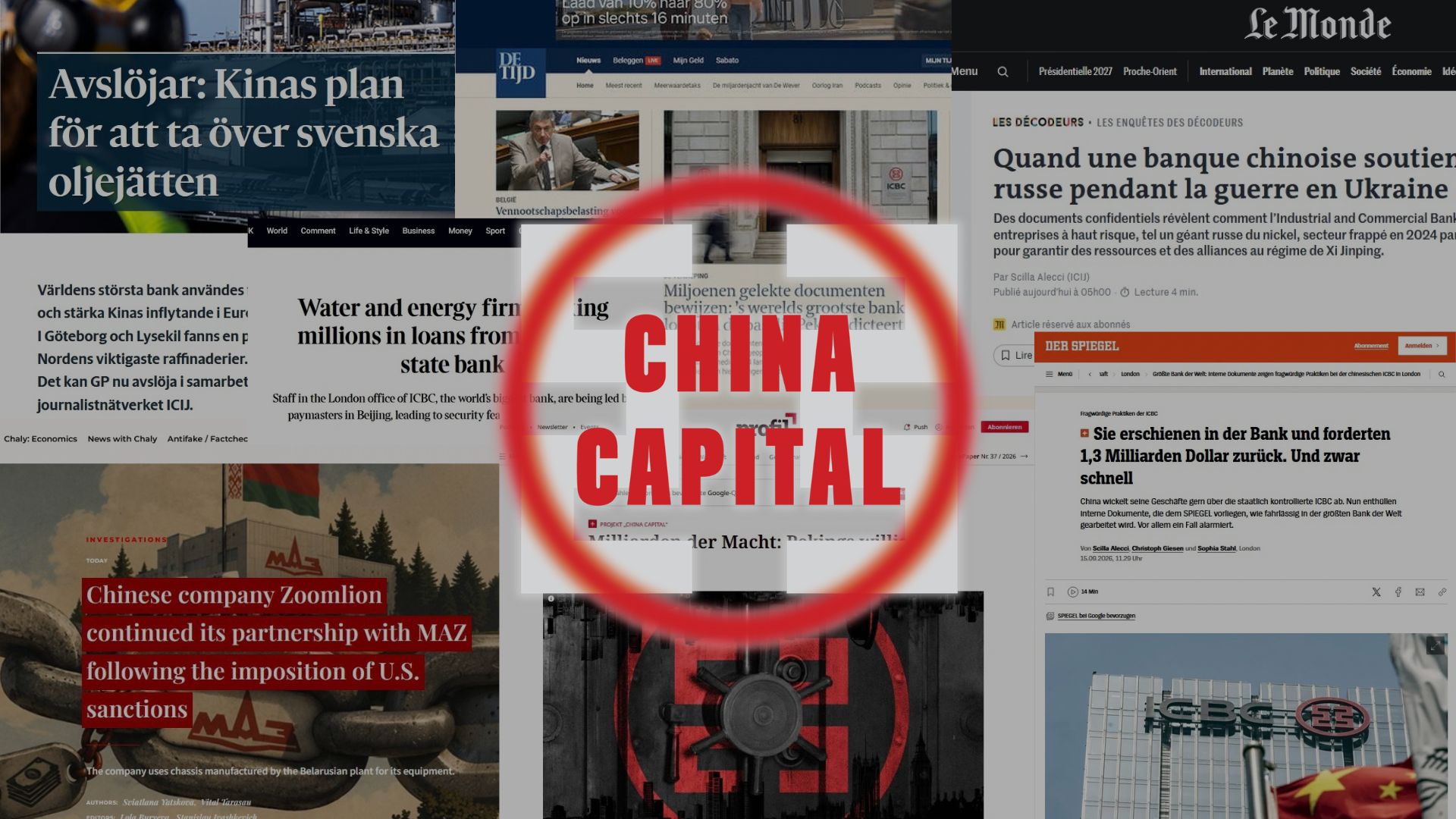
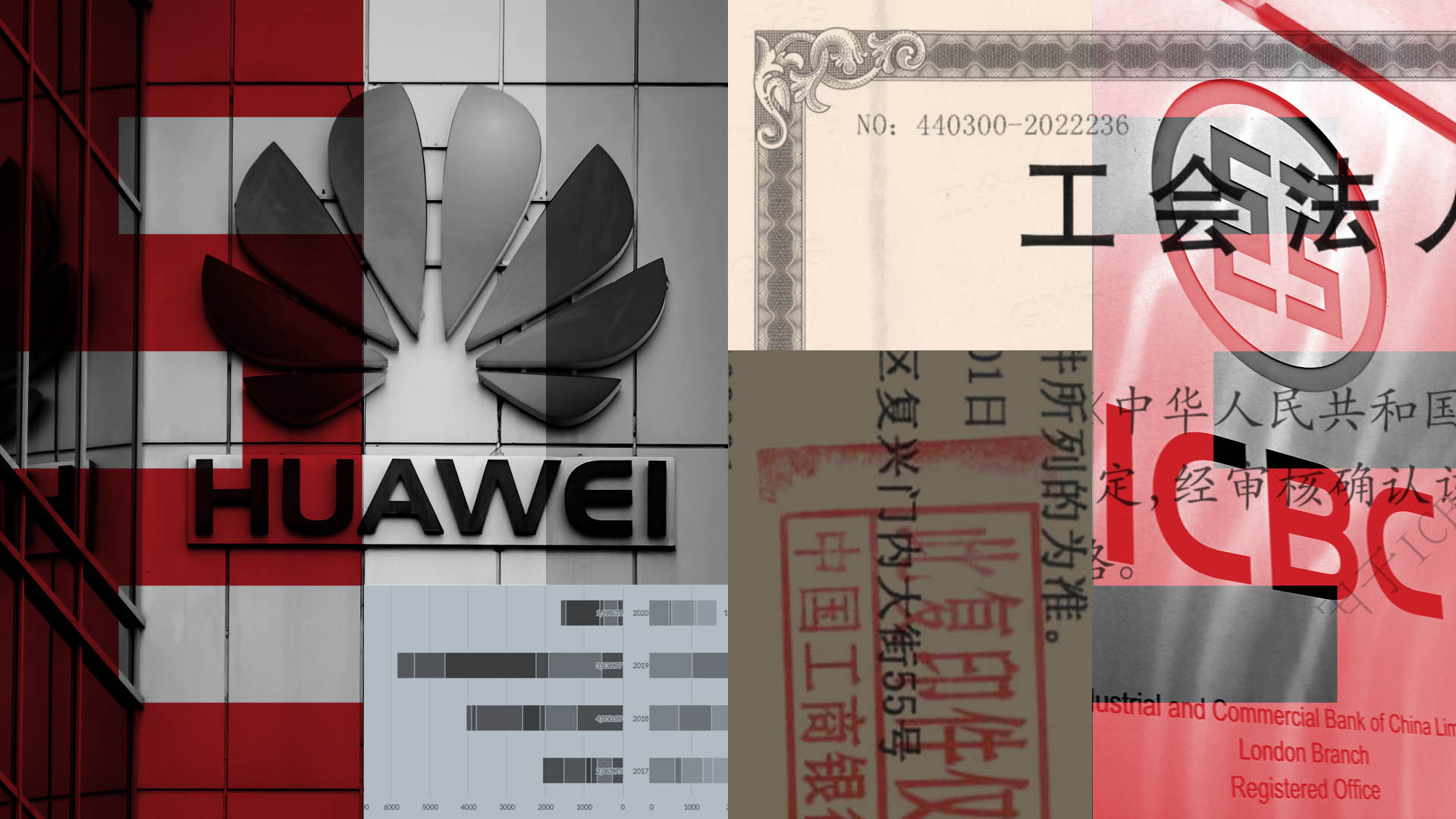
China Capital, an investigation by the International Consortium of Investigative Journalists in collaboration with 23 media partners, provided an unprecedented look into decision-making at the Industrial and Commercial Bank of China, one of the most powerful Chinese institutions, at a time of China’s ascendance on the world stage.
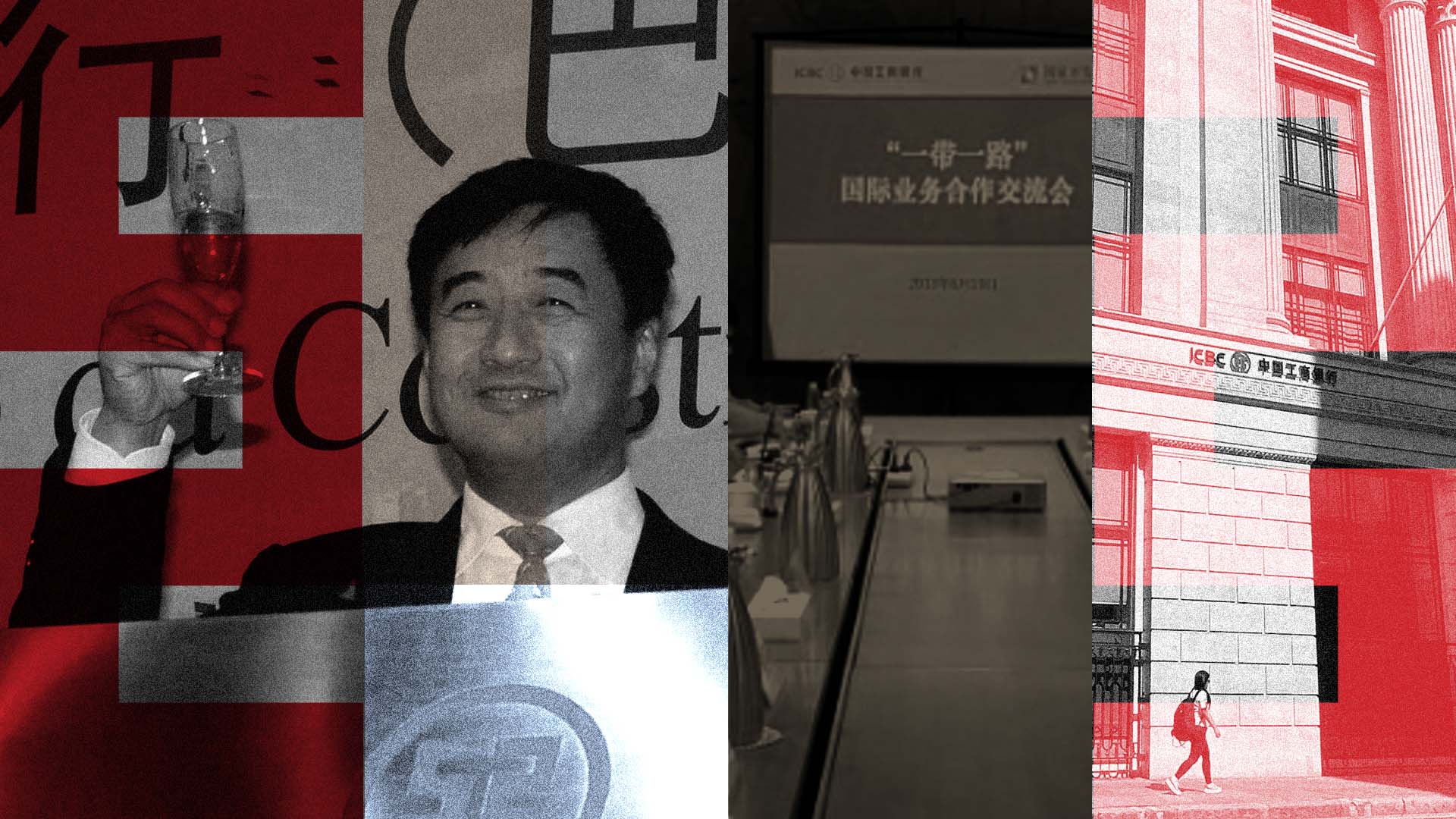
The investigation is based on more than 4.8 million confidential records from two of ICBC’s U.K. units. The records provide rare insight into one of China’s most important financial arms, showing how the government’s influence and political priorities often outweigh ordinary banking protocols.
This is the first time that an international team of reporters has examined the inner workings and lending practices of ICBC– the world’s largest bank by asset size. Like many of its state-owned peers, ICBC is notoriously secretive.
https://www.icij.org/investigations/china-capital/icbc-china-capital-video/
VIDEO WATCH: How the world’s biggest bank advances Beijing’s interests Sep 14, 2026
https://www.icij.org/investigations/china-capital/china-banking-icbc-oligarchs-sanctions-london/
https://www.icij.org/investigations/china-capital/huawei-icbc-banking-us-court-beijing-london/
Recommended reading VIDEO WATCH: How the world’s biggest bank advances Beijing’s interests Sep 14, 2026 OVERVIEW Chinese banking giant serves firms linked to oligarchs and autocrats to push Beijing’s agenda Sep 14, 2026 HUAWEI Chinese bank helped Huawei spirit $1B out of London days after US indictment of the tech giant Sep 14, 2026
-for-its-african-partners/" target="_blank" rel="noopener">found. Chinese authorities have approved the two institutions as joint renminbi-clearing banks — an arrangement that is expected to ease transactions in the Chinese currency across 19 countries where Standard Bank operates, the report said.
The Industrial and Commercial Bank of China (ICBC) headquarters in Beijing, China, on Tuesday, Aug. 29, 2023. Image: Bloomberg via Getty Images
The Chinese bank also financed key energy projects in Europe. In the U.K., The Times found that ICBC issued nearly $1.7 billion in loans and borrowing options to U.K. water and energy infrastructure companies, including some that were “highly leveraged, with private owners borrowing heavily against relatively guaranteed incomes to maximise dividends.”
This model could leave water companies at risk should disputes arise over the debts, The Times reported. According to one internal memo, ICBC London’s ability to participate in wind farms financing was “strategically important in order to remain relevant in the UK renewables sector”.
The revelations prompted a debate in the British parliament, with some members of the House of Lords raising concerns about Chinese ownership of water utilities and key local infrastructure.
ICBC also showed an interest in financing Sweden’s top oil producer, Preem, the Göteborgs-Posten found. Internal records show how the bank offered loans to the company, a long-term client, in order to benefit Chinese oil companies and obtain access to Preem’s technology. In an internal document examined by ICIJ’s Swedish reporting partner, a banker noted that the deal allowed ICBC to gain insight into technology used for refining waste oil from cooking and forest biomass into premium oil products — a process of particular interest to China.
Serving Russia’s allies
China Capital also exposed how ICBC used its London operations as a financing hub for companies linked to sanctioned Russian and Belarusian business owners even after Western countries imposed financial sanctions to dent Russia’s military operations in Ukraine.
ICIJ and the Belarusian Investigative Center reported how ICBC London’s clients included a U.K. subsidiary of Zoomlion Heavy Industry Science and Technology, a Chinese construction company. Zoomlion used the subsidiary to partner with Belarusian state-owned company MAZ and build an industrial park near Minsk. The partnership continued even after the European Union and its allies sanctioned MAZ over its ties to Alexander Lukashenko’s regime.
MAZ left the joint venture in 2023, after the U.S. sanctioned the Belarusian firm, but devised a plan to continue supplying heavy vehicles to Zoomlion through an unsanctioned party, according to records obtained by the Belarusian Investigative Center.
22.09.2026 à 15:40
ICIJ journalist Micah Reddy freed after 4 days in secretive Djibouti custody
Fergus Shiel
Lire plus (463 mots)
ICIJ Africa coordinator and journalist Micah Reddy has been released from custody in Djibouti.
Reddy, who had been held secretly after being detained on Saturday, flew out of the country today following his release.
Reddy arrived in Djibouti on Sept. 17 and went silent around 1 p.m. local time on Sept. 19, along with his local assistant, Mohamed Willo Ismael (“Kooki Mahmoud”).
Ismael is understood to be free as well.
ICIJ raised the alarm within hours of the two men’s disappearance from the Escale International Hotel in Djibouti City, when messages to the pair went unanswered.
On Sept. 21, ICIJ confirmed unofficially through diplomatic and other channels that Reddy was in custody, understood to be held for failing to obtain proper media accreditation.
The South African, British and U.S. governments all assisted in reaching out to Djiboutian authorities for information.
Djibouti authorities did not publicly confirm his whereabouts or provide access to Reddy until today.
The many calls for press freedom and for the men’s swift release are an example of the solidarity that matters when a journalist’s safety is put at risk.
—ICIJ director Gerard Ryle
Reddy’s family expressed its relief at his and Ismael’s release but dismay over his treatment and the secrecy surrounding it.
They thanked helpers on the ground, the South African and UK governments, press freedom organizations, ICIJ and the many journalists who had assisted.
They also thanked Reddy’s legal team for its international efforts.
“Waiting for news of a loved one whose whereabouts and wellbeing are unknown is unimaginably painful,” the Reddy family statement said.
“We are profoundly grateful that, for our family, this story has had a happy ending.”
ICIJ echoed the Reddy family in expressing its gratitude to all whose vocal response helped both to discover that Reddy had been held secretly in custody and to secure his freedom.
“The many calls for press freedom and for the men’s swift release are an example of the solidarity that matters when a journalist’s safety is put at risk,” ICIJ director Gerard Ryle said.
Ryle thanked the staff of the U.S. Embassy in Djibouti for their assistance in securing the release of Reddy.
He added his thanks to South African diplomat Zane Dangor, to the U.K. Embassy in Washington DC and to its consular services in London.
- GÉNÉRALISTES
- Le Canard Enchaîné
- La Croix
- Le Figaro
- France 24
- France-Culture
- FTVI
- HuffPost
- L'Humanité
- LCP / Senat
- Le Media
- La Tribune
- Time France
- EUROPE ‧ RUSSIE
- Courrier Europe Ctrale
- Desk-Russie
- Euractiv
- Euronews
- Toute l'Europe
- Afrique ‧ Asie ‧ Proche-Orient
- Haaretz
- Info Asie
- Inkyfada
- Jeune Afrique
- Kurdistan au féminin
- L'Orient - Le Jour
- Orient XXI
- Rojava I.C
- INTERNATIONAL
- Courrier International
- Equaltimes
- Global Voices
- Infomigrants
- I.R.I.S
- The New-York Times
- OSINT ‧ INVESTIGATION
- OFF Investigation
- OpenFacto°
- Bellingcat
- Disclose
- G.I.J
- I.C.I.J
- OPINION
- Au Poste
- Cause Commune
- CrimethInc.
- Hors-Serie
- L'Insoumission
- Là-bas si j'y suis
- Les Jours
- LVSL
- Politis
- Quartier Général
- Rapports de force
- Reflets
- Reseau Bastille
- StreetPress
- OBSERVATOIRES
- Armements
- Acrimed
- Conspirationnisme
- Culture
- Curation IA
- Extrême-droite
- Human Rights Watch
- Inégalités
- Justice fiscale
- Liberté de création
- Multinationales
- Situationnisme
- Sondages
- Street-Médics
- Routes de la Soie
- Wokisme