
“If we burn, you burn with us”: People power grows amid Indonesia’s fire and haze crisis
Kezia Rynita
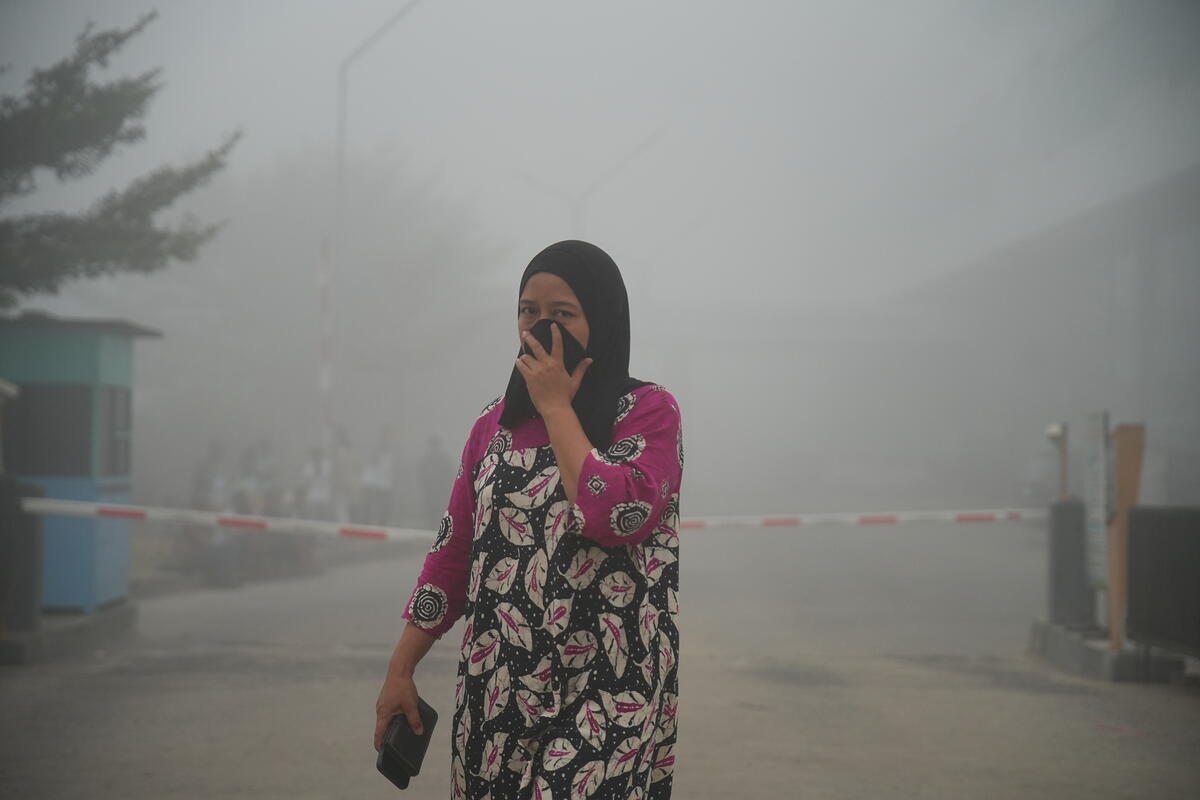
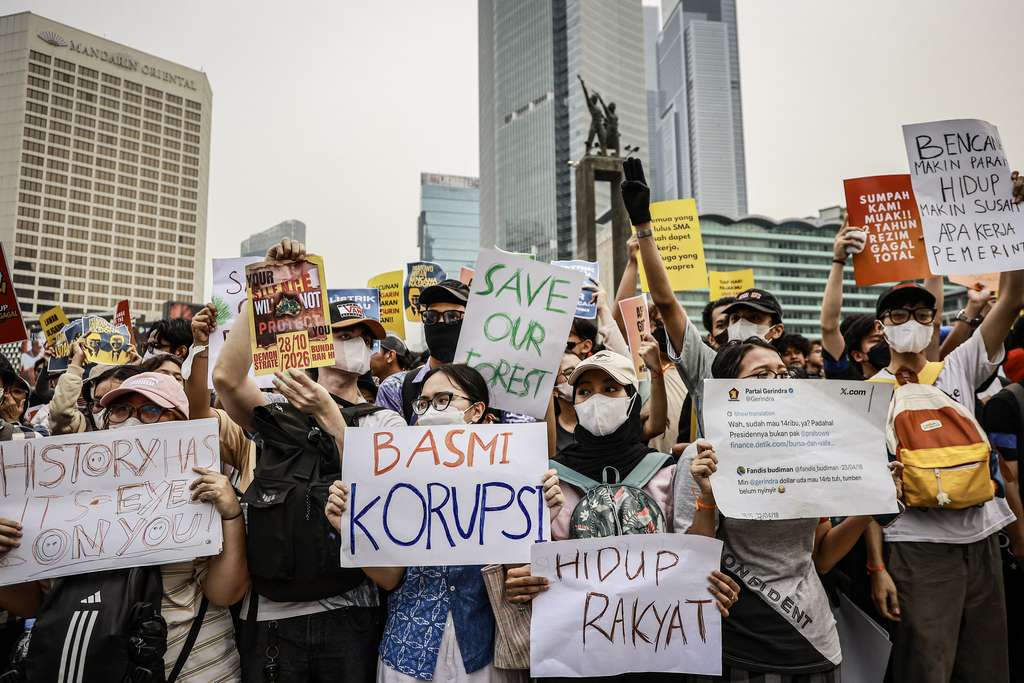
As a long-time fan of The Hunger Games books and films, I always get chills during the scene in The Hunger Games: Mockingjay – Part 1 when Katniss Everdeen (played by Jennifer Lawrence) screams her defiant warning to President Coriolanus Snow (played by Donald Sutherland): “And if we burn, you burn with us!” This year, I witnessed people use that iconic quote during protests in Indonesia over urgent demands, including the government’s response to the devastating forest and peatland fires. For months, these blazes have burned across the archipelago, from Sumatra to Kalimantan and Papua. The fires have not only led to the destruction of nature, but have also caused a prolonged deadly haze that exposed around 40 million people to hazardous-level air pollution, claiming at least 3,560 lives by September 2026. As toxic smoke blankets cities and crosses borders, we know that this orange sky is not a dystopian film filter. It is our blue sky being stolen, while real lives are being taken. Around 1,9 million hectares of land and 85,000 hectares of forest across Indonesia were devastated by fires between January and September 2026, and there were 6,811 haze-source spots between August and October. A conservation zone in Gunung Palung National Park, West Kalimantan province – home to thousands of orangutans – has been severely damaged, while primary natural forests in Papua have been catastrophically affected since last month. “Again, we are losing our forests, including the natural forests of Papua, which serve as one of our final safeguards against the climate crisis. The loss of forests is not merely the disappearance of trees and their shade; it is the destruction of the life-support and climate systems we depend on,” said Belgis Habiba, Greenpeace Indonesia Forest Campaigner. El Niño occurring since mid-year has triggered fires and crippling droughts across many parts of Indonesia, but it is not the only culprit. For a long time, palm oil and pulp & paper companies have used illegal slash-and-burn methods to rake in massive profits while nature and everyday people bear the cost. Belgis emphasised that the Indonesian government should have proactively mitigated the forest and peatland fires – which are both predictable and preventable – rather than focusing solely on extinguishing blazes without addressing their root causes. This requires genuine peatland ecosystem protection and restoration, sustainable water management, and firm legal enforcement against those causing and exacerbating forest destruction. Classes are cancelled, workplaces forced to close, many are struggling to breathe. The fires have contributed to recurring haze that affects communities, where vulnerable groups – children, the elderly, and people with pre-existing health problems – face increased risks of respiratory illnesses. Data from the Indonesian Ministry of Health recorded 401,586 cases of acute respiratory infection (ARI) linked to Indonesia’s forest and peatland fires across 7 provinces and 63 districts as of 2 November 2026, with 91,913 of those cases involving children aged 0–5 years. Even Malaysia’s Borneo region experienced its worst haze crisis in a decade with surging respiratory illnesses as toxic smoke travelled across Southeast Asia to neighbouring countries, such as Malaysia, Singapore, Brunei Darussalam, Thailand, Vietnam, and the Philippines. A report from the Center for Research on Energy and Clean Air (CREA) shows that in September 2026 alone, air pollution-related deaths driven primarily by these fires reached 3,560 nationwide. Furthermore, 10 individuals battling the fires on the frontlines – from volunteers to firefighters – have lost their lives. No one should have to worry about the air they breathe. A persistent lack of responsiveness from the government in handling this crisis makes a dystopian society feel increasingly real. “The rising number of deaths and cases of acute respiratory infections (ARI) resulting from air pollution – caused by haze from forest and peatland fires – highlights a recurring failure by the Indonesian government. First, they have failed to ensure that citizens have access to clean air, which is a fundamental human right. Second, they have failed to mitigate the impact of the haze by refusing to declare a national disaster, resulting in a sluggish response in providing urgent support to those affected,” said Belgis. On 20 October 2026, marking the second year of the Prabowo-Gibran administration, Greenpeace Indonesia activists staged a peaceful action by scaling the iconic Selamat Datang (Welcome) Monument in the heart of Jakarta. They unfurled banners in Bahasa Indonesia reading “Disasters are Getting Worse, the People are Struggling, What is the Government Doing?” and “No Progress without Protest,” demanding urgent climate action – specifically regarding the haze – and a lower cost of living. This creative action quickly went viral on social media, prompting an immediate government response. A week later, on Indonesia’s Youth Pledge Day, thousands of students and civil society groups across Jakarta and other major cities rallied with five key demands, and among them was urgent environmental crisis management: declaring the fires a national disaster and prosecuting the corporate actors responsible. The moment when people take to the streets is a powerful sign of hope. We are refusing a future we didn’t choose. More and more of us won’t let those in power believe we are backing down. We have spoken, we have shown up, we are becoming louder than ever. This generation resists and we are starting to see its power. Using creativity and conversation, we can challenge the billionaires and companies trying to silence us. Here are a few ideas. Texte intégral (2296 mots)
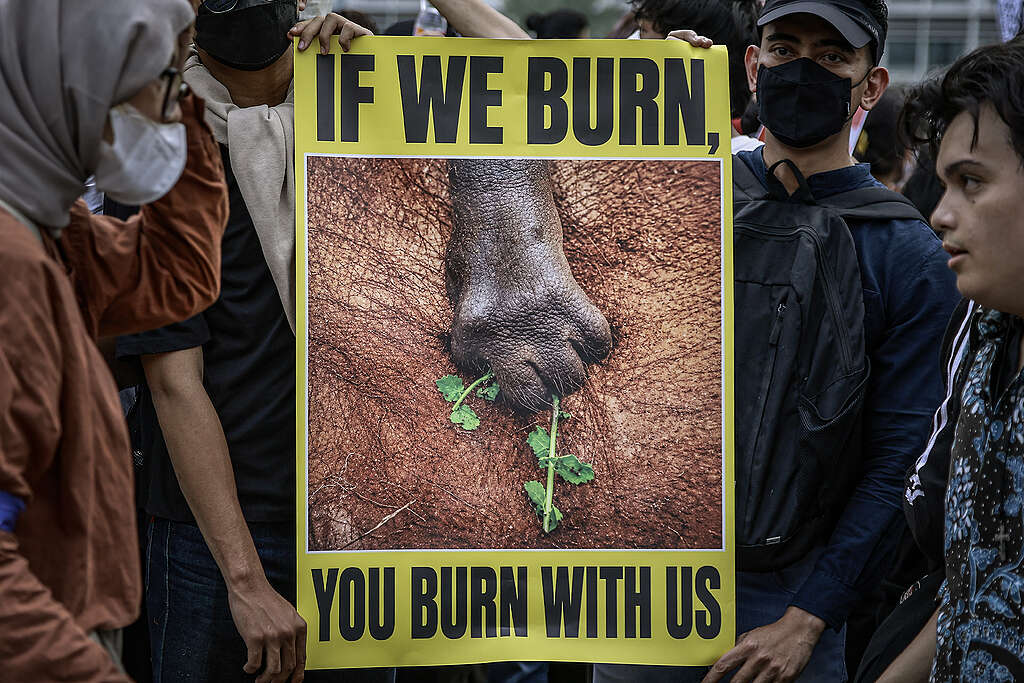
El Niño is not the sole culprit
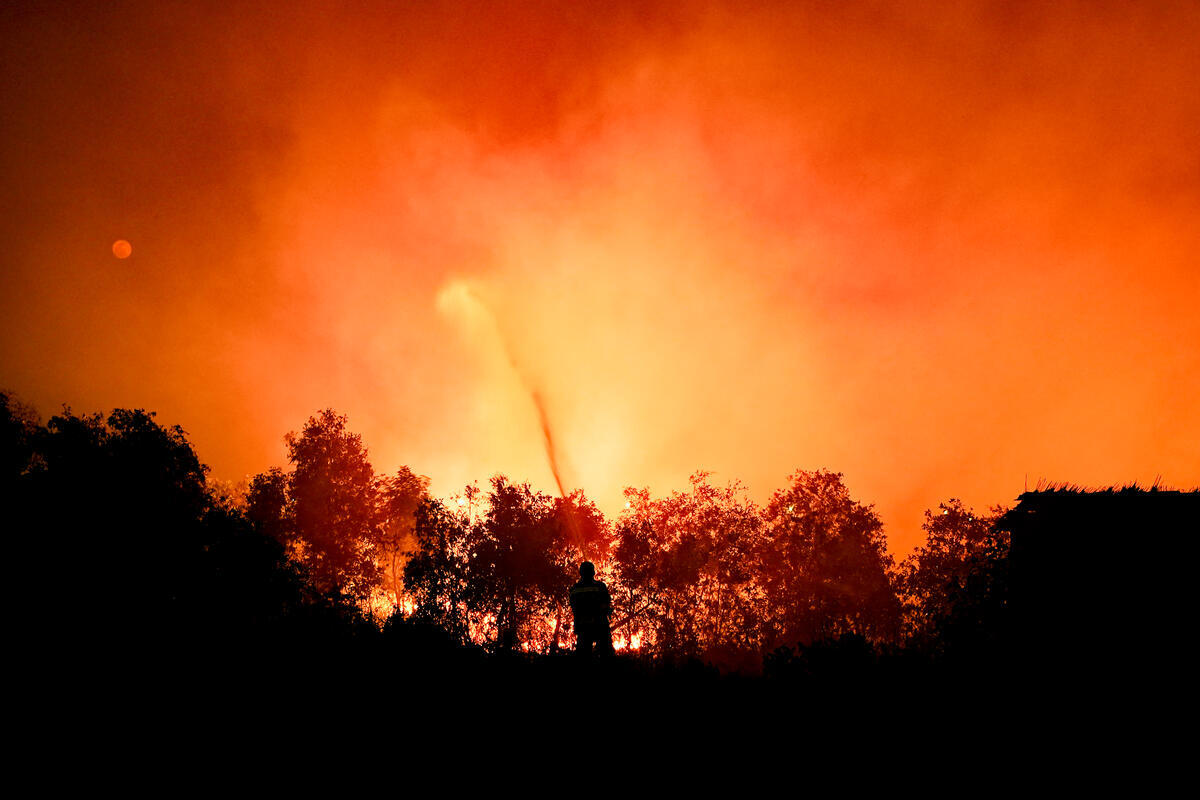
People are dying from toxic wildfire haze
People power is louder than ever
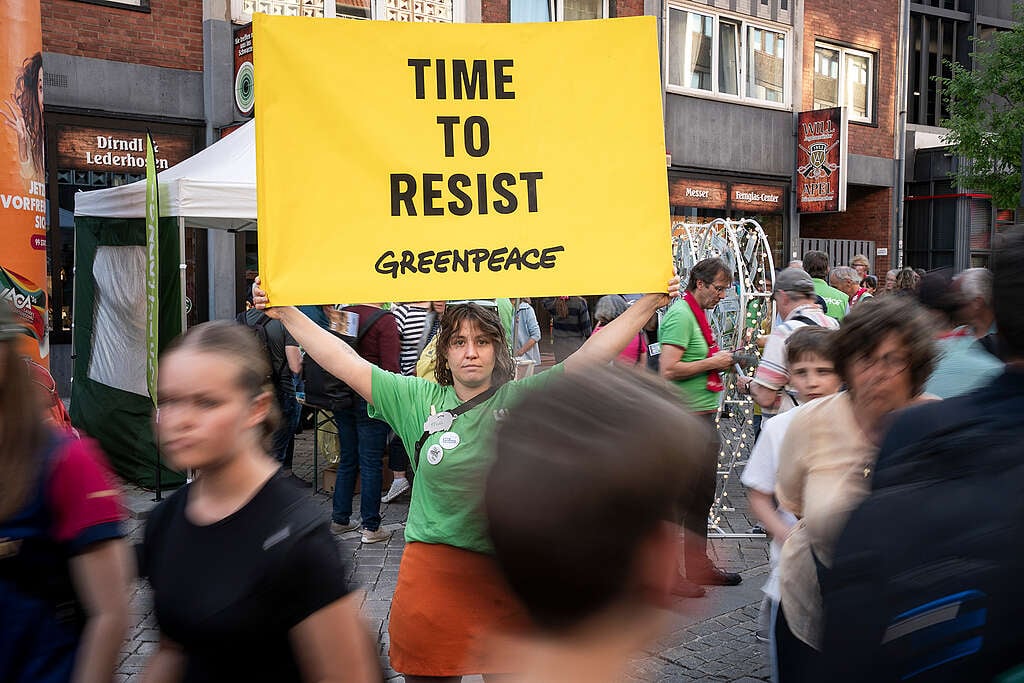
Greenpeace Pictures of the Week
Greenpeace International
A giant banner in Türkiye ahead of UN climate talks COP31, a protest for forest protection at IKEA in Sweden, and a floating banner calling for environmental protections in the Canary Islands, here are a few of our favourite images from Greenpeace work around the world this week. Located off England’s east coast, the targeted stretch sits within a so-called Marine Protected Area (MPA), which was created specifically to protect harbour porpoises. Greenpeace has been a pioneer of photo activism for more than 50 years, and remains committed to bearing witness and exposing environmental injustice through the images we capture. To see more Greenpeace photos and videos, please visit our Media Library. Texte intégral (1624 mots)
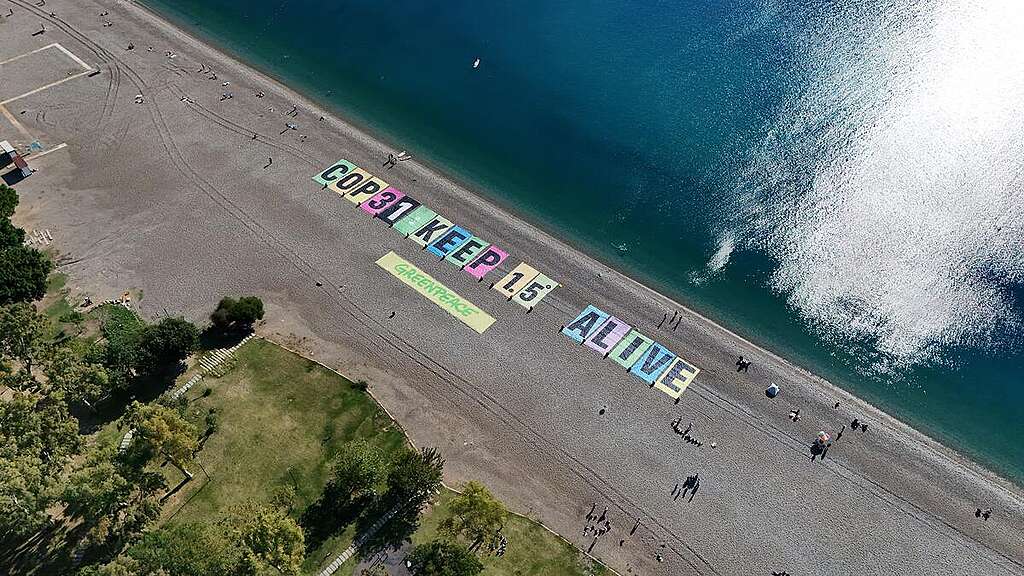
 Türkiye – Greenpeace Türkiye displayed a giant banner on the Konyaaltı Beach in Antalya ahead of the UN climate talks COP31. The 31st UN Climate Conference, COP31, takes place in Antalya, Türkiye from 9-20 November 2026. Greenpeace is at the COP to hold governments to account in pursuit of an accelerated just, orderly and equitable transition away from fossil fuels.
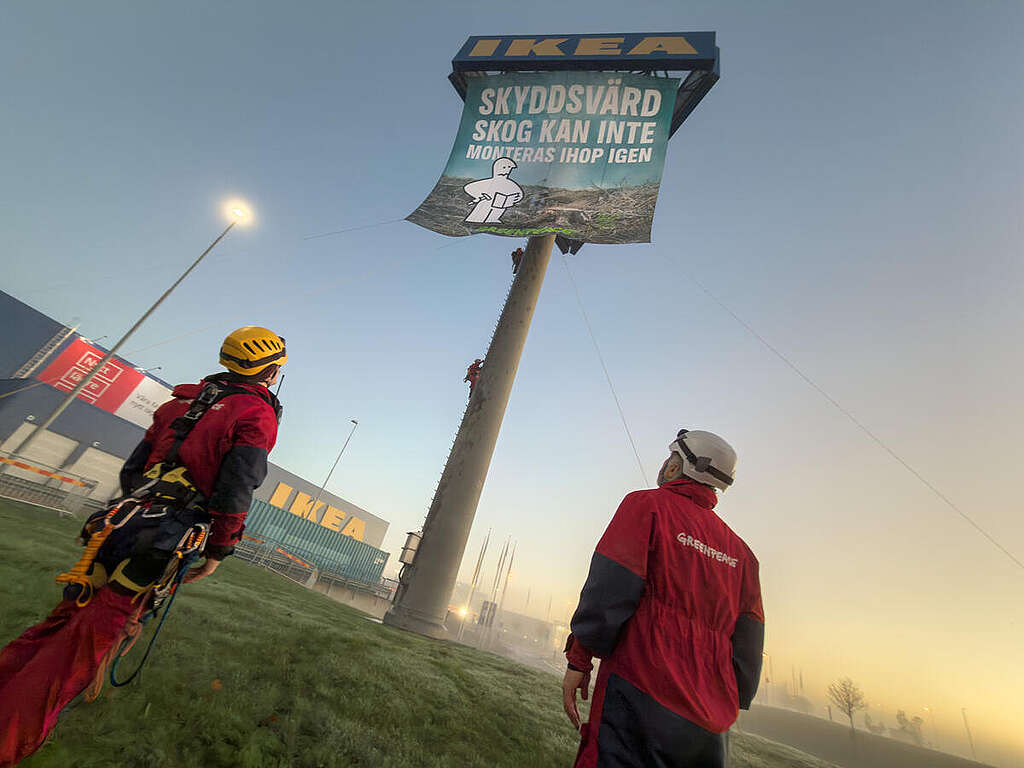
 Sweden- Greenpeace activists hang a banner on the IKEA sign in Helsingborg. Below the IKEA logo, they hang a banner with the text: “Forests of high conservation value cannot be reassembled” Greenpeace demands that IKEA stop purchasing timber from forests that need to be protected.
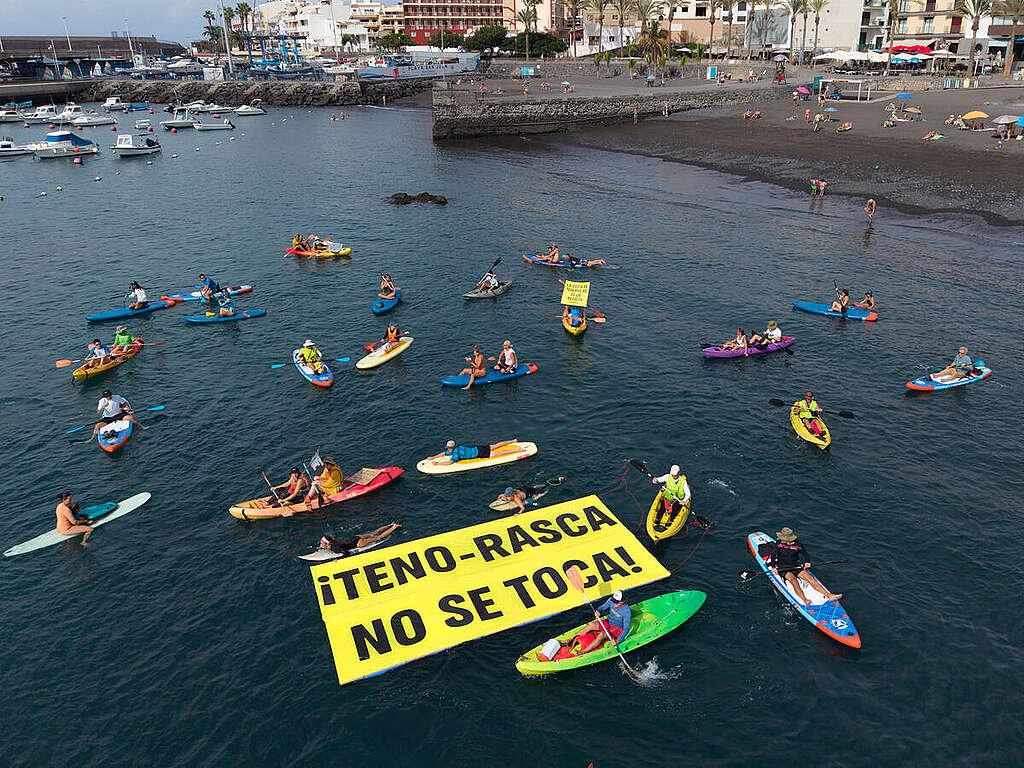
 Canary Islands – Floating Banner in Tenerife Bearing the Slogan “Hands Off Teno-Rasca”. Activists from environmental and land-conservation organisations have called for a halt to tourism projects that threaten this protected area and for efforts to restore both terrestrial and marine ecosystems.
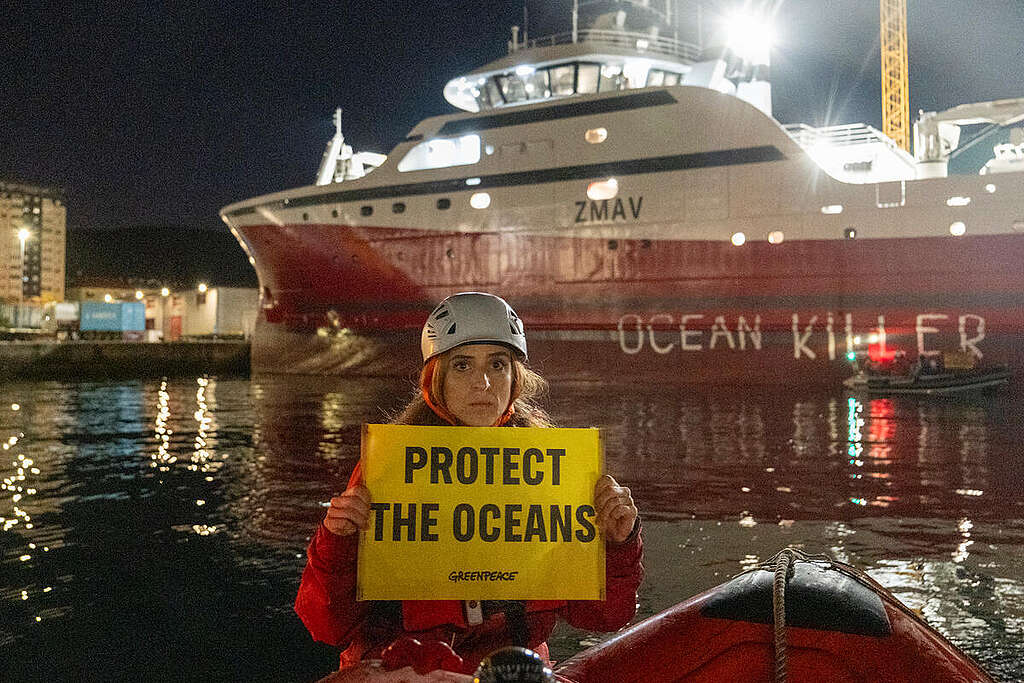
 Spain – Greenpeace Spain has renamed a New Zealand trawler—currently under construction at the Marín shipyard (Pontevedra)—”Ocean Killer” (formerly “Voyager”). The action aims to highlight the severe damage such vessels cause to the seabed and to call for an end to bottom trawling. Simultaneously, other activists placed a sign at the offices of the company Talley’s to denounce its destructive fishing practices, which include operations within protected areas.
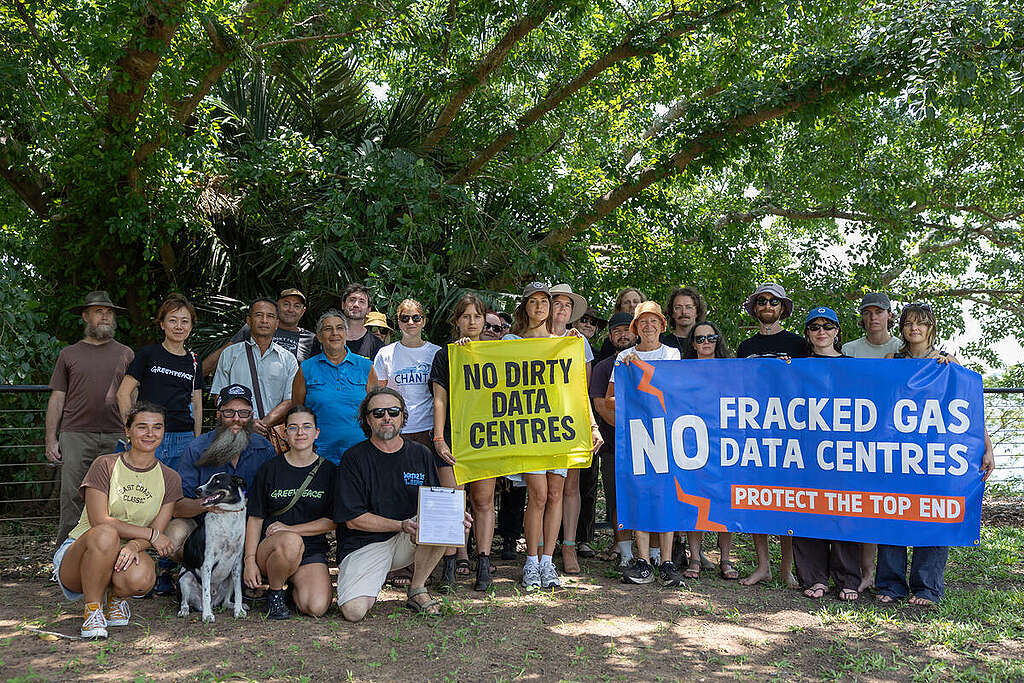
 Australia – Press conference against AI Data Centres with local organisations in Darwin, Australia. Greenpeace Australia Pacific is calling for a moratorium on AI data centres until proper regulations that protect our people and planet are put in place.
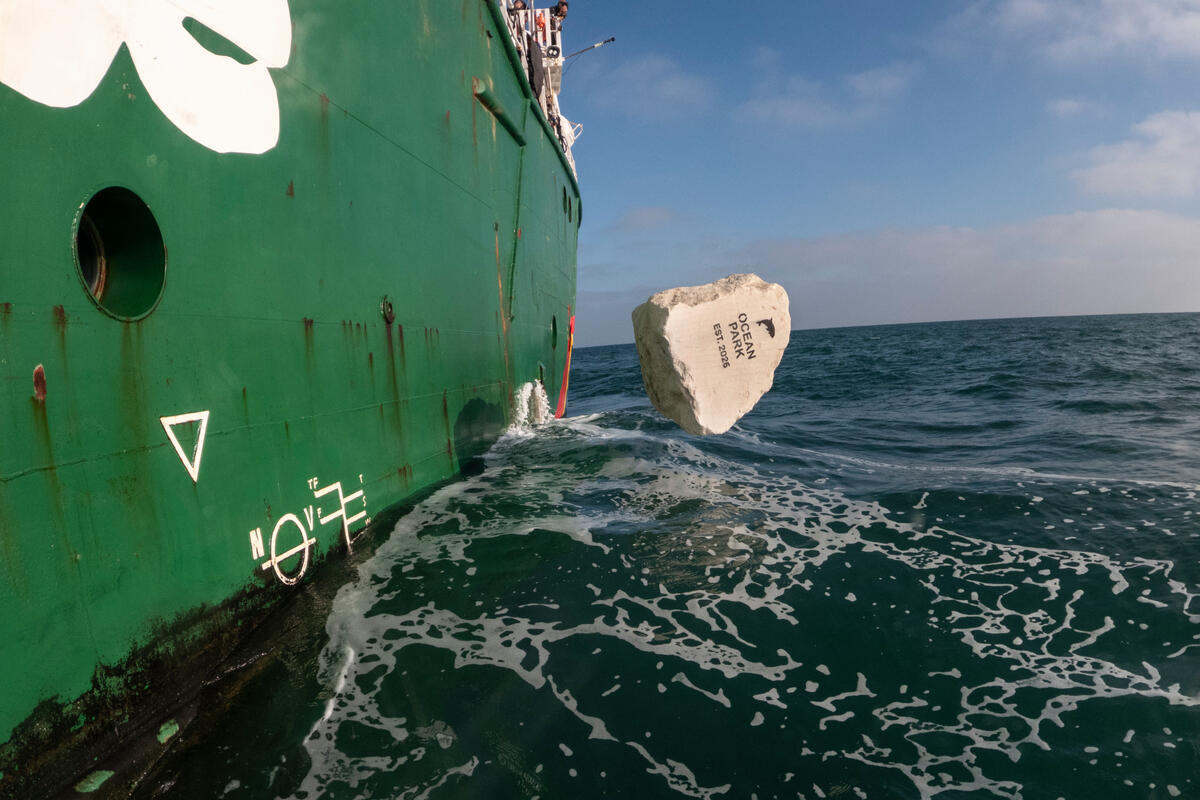
 UK – Greenpeace UK successfully place giant boulders onto the seabed in the Southern North Sea – the UK’s most bottom-trawled Marine Protected Area – forming an underwater barrier to prevent this destructive fishing method.
COP31: live updates as governments meet to accelerate climate action
Aaron Gray-Block
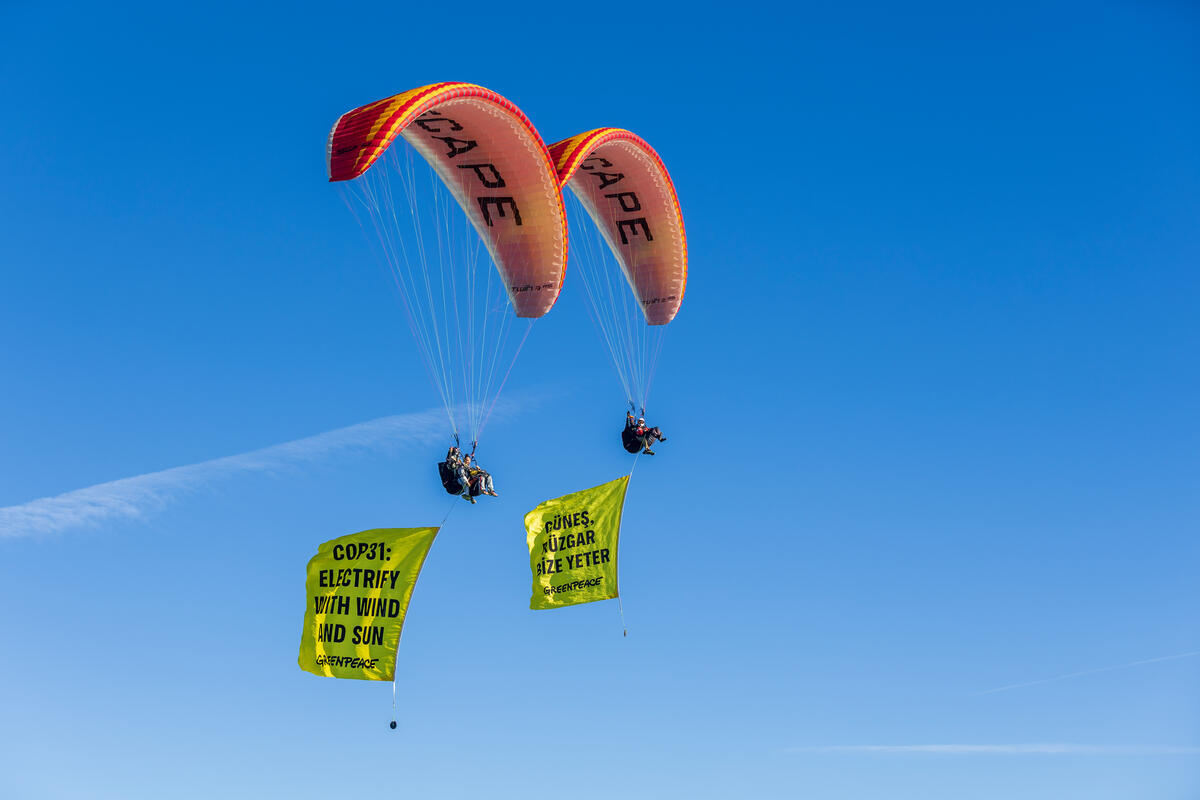
The world’s governments are gathering in Antalya, Türkiye for the annual UN climate change conference COP31, coming at a time of profound geopolitical challenges and climate instability, but also opportunities for change in a just transition away from fossil fuels. Find live updates below: November 9, 2026 It was a busy first day at the UN climate summit COP31, especially for Greenpeace Türkiye, as it unfurled a banner while paragliding from Lycian mount Olympus over the Antalya coastline. The banner read in Turkish: ‘Sun and wind are enough for us’. In its role as the COP31 Presidency, Türkiye has launched an electrification pledge aiming to secure an agreement at the UN climate summit to increase electricity’s share of global final energy consumption needs to 35 % by 2035. But electrification by itself is not the end itself. As Emel Türker Alpay, a Climate and Energy Campaigner at Greenpeace Türkiye says: “If Türkiye wants to really secure a lasting legacy, it needs to ensure that the electrification goal is used to displace fossil fuels with renewable energy”. This is why the Greenpeace Türkiye paragliders also displayed an English banner saying: COP31: Electricity with Wind and Sun. To keep the 1.5°C global warming limit alive, the only way forward is to end fossil fuels and rapidly expand renewable energy! November 9, 2026 Also on the opening day at COP31, Greenpeace International displayed a 3D visual installation titled ‘Choked’, calling on world leaders to act now and defend the 1.5°C warming limit! The display was a talking point at the climate summit and was widely photographed by media and passing delegates as speakers from Greenpeace Türkiye and Greenpeace Australia Pacific spoke of the urgency of action. They were also joined by Trixy Elle, a co-claimant in the Odette climate change lawsuit against Shell, who spoke about her experiences in the Philippines ahead of the 5th anniversary of Super Typhoon Odette: “Our political leaders need to be bolder and stronger in standing up to the fossil fuel industry and fighting to prevent every fraction of a degree of global warming. Even 1.5°C is too much. Our lives, livelihoods, cultures and futures depend on action now.” November 9, 2026 “Talofa lava. My name is Moemoana Schwenke. I am a daughter of Samoa, a Pacific woman, and someone who carries the stories, hopes and responsibilities of our people wherever I go. “For the Pacific, 1.5°C is quite literally, our survival line. It is about whether our children can grow up knowing the same coastlines their grandparents knew. Whether our families can continue to fish, farm, gather food and practise the traditions and cultures that have sustained us for generations. The very wellbeing of our lands and oceans are connected to the wellbeing of us, our children, our elders. “It is about our homes, our languages, our sacred places, our graves that hold the bones of our ancestors, our stories and our connection to the ocean. Because when land disappears beneath the sea, we are not simply losing territory. We are losing places that hold our genealogy, our identity and our belonging. “And some of these losses cannot be measured in dollars. They cannot be rebuilt with a seawall. They cannot be compensated for by relocating a community and calling it adaptation. This is what loss and damage means to Pacific people. It is not a distant possibility. It is already part of our reality. “The failure to limit warming to 1.5°C is not a failure of Pacific ambition. It is a failure of global responsibility. Every fraction of a degree we allow the world to warm increases the scale of loss and damage our communities will face. And for some of those losses, there is no going back. November 9, 2026 In a joint initiative on day 1 at the UN climate summit COP31, civil society organisations from both Türkiye and Australia came together to launch an urgent call for a global transition away from fossil fuels. The groups urged both countries to demonstrate climate leadership through concrete action at home. The event at the Australian Pavilion in Antalya was a packed house as civil society outlined their demands in a joint letter signed by almost 100 civil society organisations from Türkiye and Australia addressed to Türkiye’s COP31 President, Murat Kurum, and Australia’s President of Negotiations Chris Bowen. Speaking at the event, Dr Simon Bradshaw, COP31 lead at Greenpeace Australia Pacific said: “As a major coal and gas exporter, Australia plays an outsized role in fuelling the climate crisis and has approved 38 new, extended or expanded fossil fuel projects since first elected in 2022. More than half the world’s coal export project pipeline is in Australia, and the Albanese Government is poised to make decisions on massive new gas projects. Australia must reckon with this reality. “In Türkiye, the Australian government must rise to the occasion and show what true climate leadership looks like — but we can not move the world towards a clean energy future while expanding the industry we need to leave behind. “Australia can lead by example and help build global momentum through developing a national roadmap away from fossil fuels. It must get fully behind Pacific calls to hold the line on 1.5°C and accelerate the transition away from fossil fuels. With its abundant renewable energy potential, Australia can move beyond fossil fuel exports and play a major role in supporting the energy transition throughout Asia.” November 6 On the eve of COP31, Greenpeace Türkiye activists unveiled a massive banner on the Konyaalti Beach in Antalya, calling on countries to use this year’s climate summit as a moment to make real progress in global efforts to address the escalating climate crisis. This year’s annual climate summit will be the first since the United Nations Environment Programme (UNEP) declared in a landmark report in September that the world will overshoot the 1.5°C global warming limit set out in the Paris Agreement, likely within the next few years. It was a heartbreaking moment, the type of news that must finally spark governments into action. Greenpeace is calling on countries meeting in Antalya to respond with the urgency that has been absent for too long. That means ensuring progress towards a fair, fast and funded transition away from fossil fuels and ending forest destruction by 2030, as agreed at COP28. The Greenpeace Türkiye banner said COP31: KEEP 1.5°C ALIVE and was large enough to be photographed by a passing satellite as a symbol of our planetary plight. It was the first time Greenpeace had used a satellite to take an image of a banner. The giant banner was photographed by a passing Planet Labs PBC Pelican satellite at 1205 (TRT). The satellite imagery was obtained and processed by Earth observation experts from the Greenpeace International Global Mapping Hub. Texte intégral (2532 mots)
Greenpeace live blog coverage of COP31
COP31 will be held from 9-20 November 2026 and Greenpeace will be covering the conference with a live blog, bringing you regular updates and insights. Check back here for rolling updates throughout the coming two weeks.Greenpeace Türkiye paragliders say ‘sun and wind are enough for us’
‘Choked’: Greenpeace shows how fossil fuels are suffocating our future
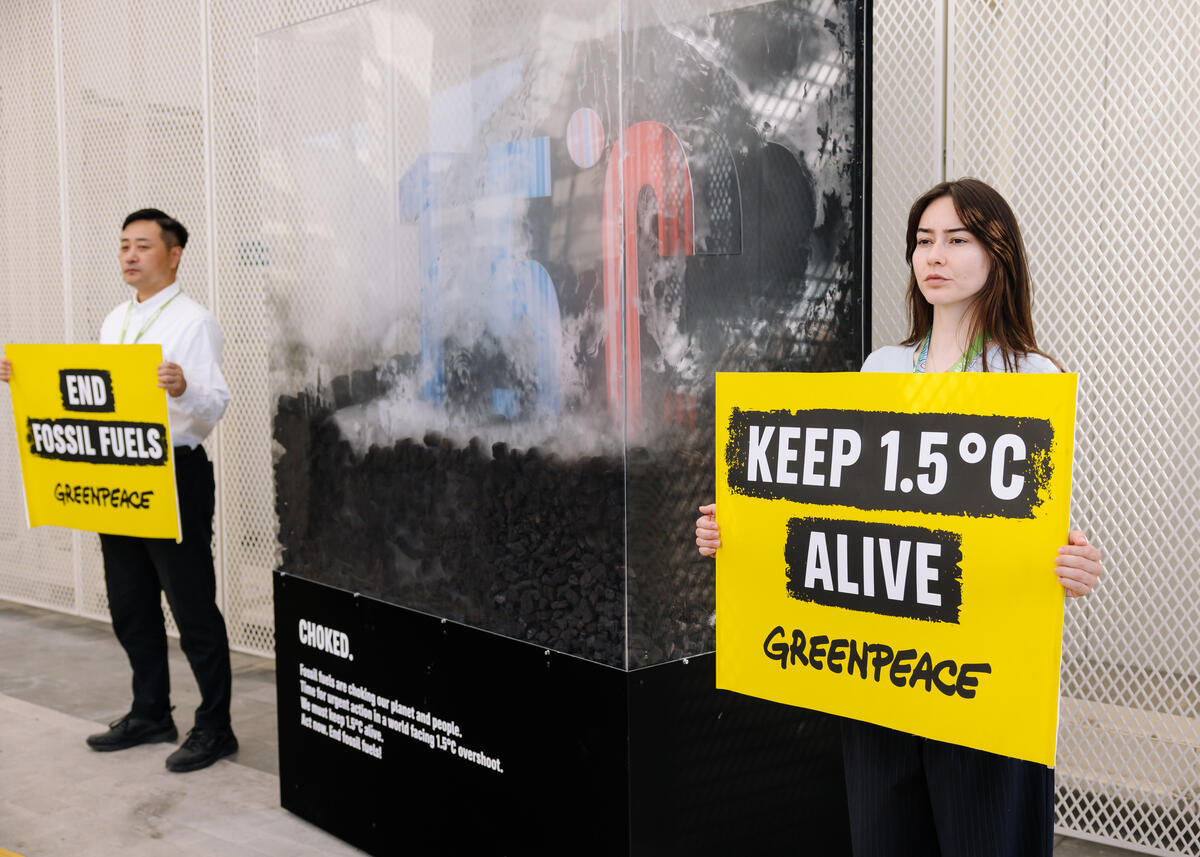
Situated inside the entrance to the UN’s ‘Blue Zone’ – which is the official area of the climate negotiations – the large 3D sculpture showed how 1.5°C (depicted in climate warming stripes) was increasingly being engulfed by fossil fuels. A call from the Pacific: ‘stop putting our future at risk’
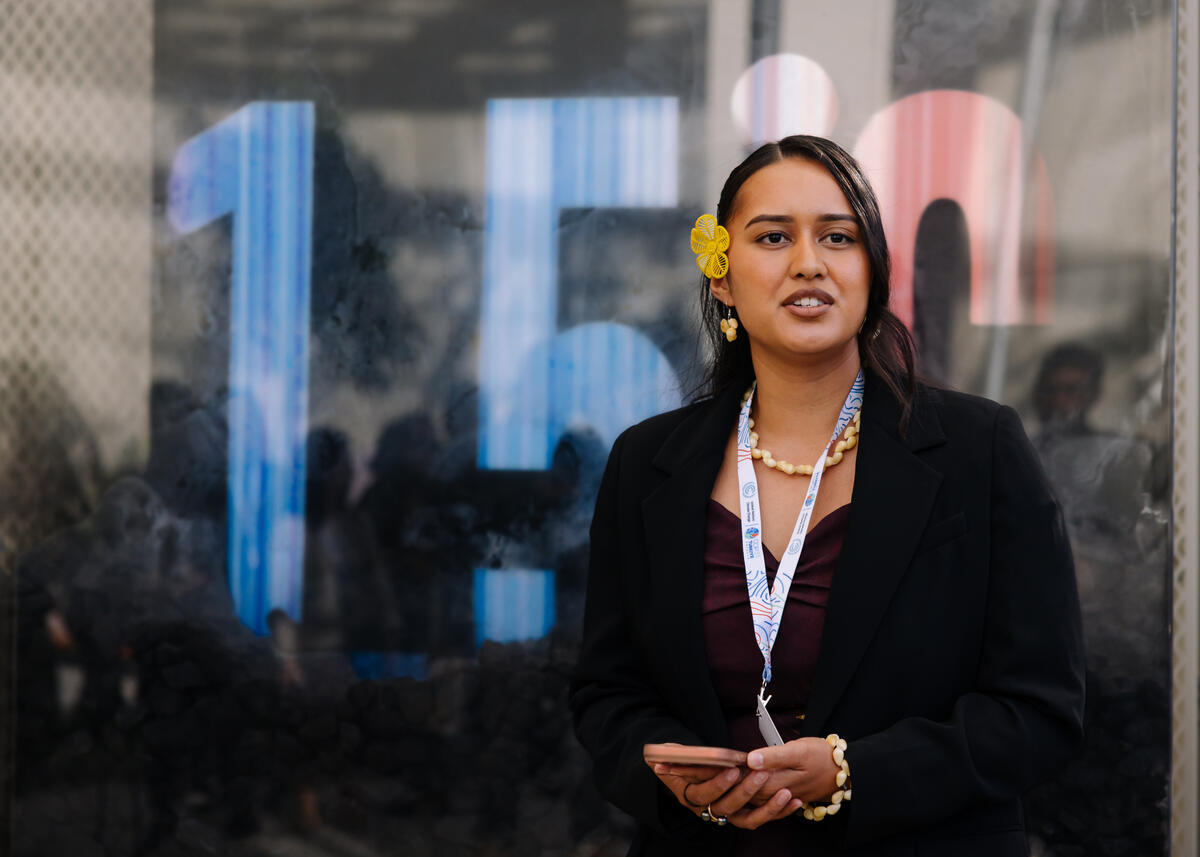
“We cannot keep expanding the very industry driving the crisis and expect our communities to carry the consequences. So when you look at 1.5°C, I ask you not to see a target on a page. See our people. See our children. See our ancestors. See everything that makes the Pacific home. We are asking the world to stop putting our future at risk.”Australia and Türkiye civil society groups keep the heat on COP31 Presidency
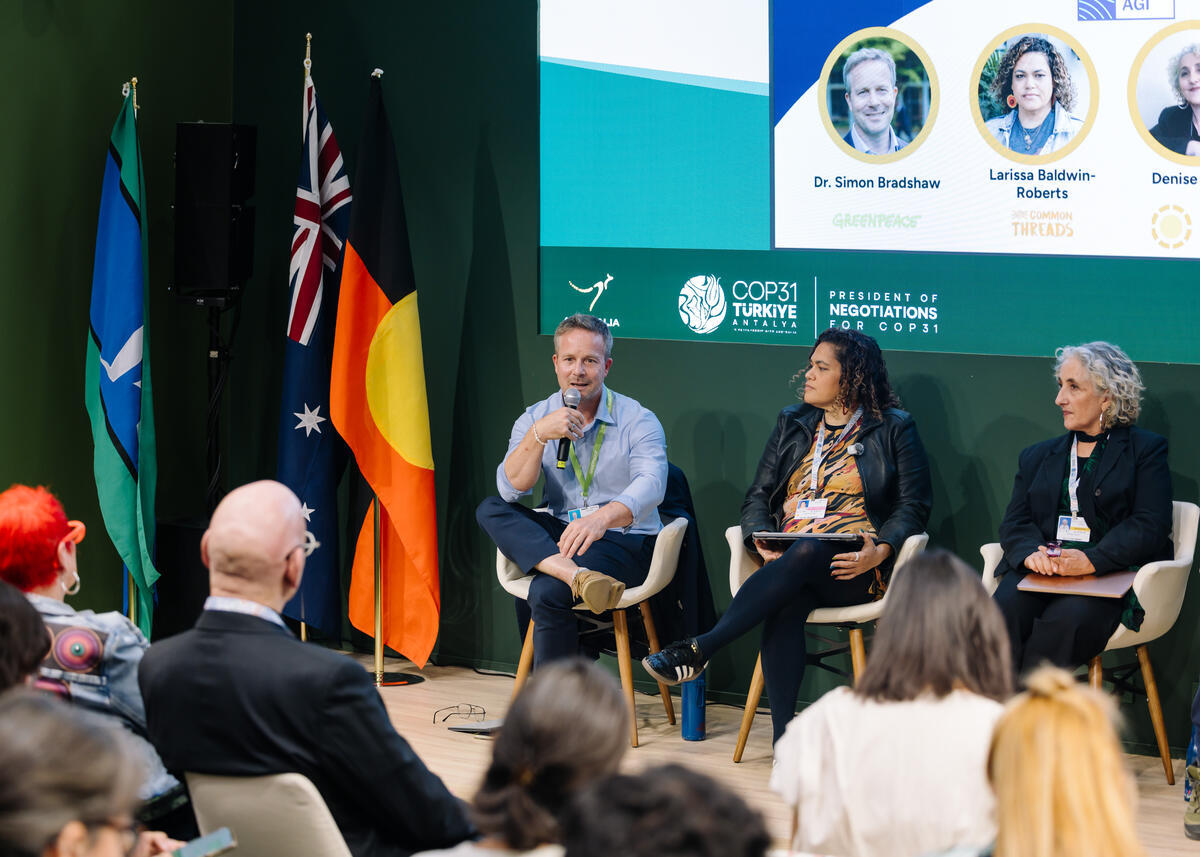
Greenpeace Türkiye displays giant banner calling for 1.5°C action
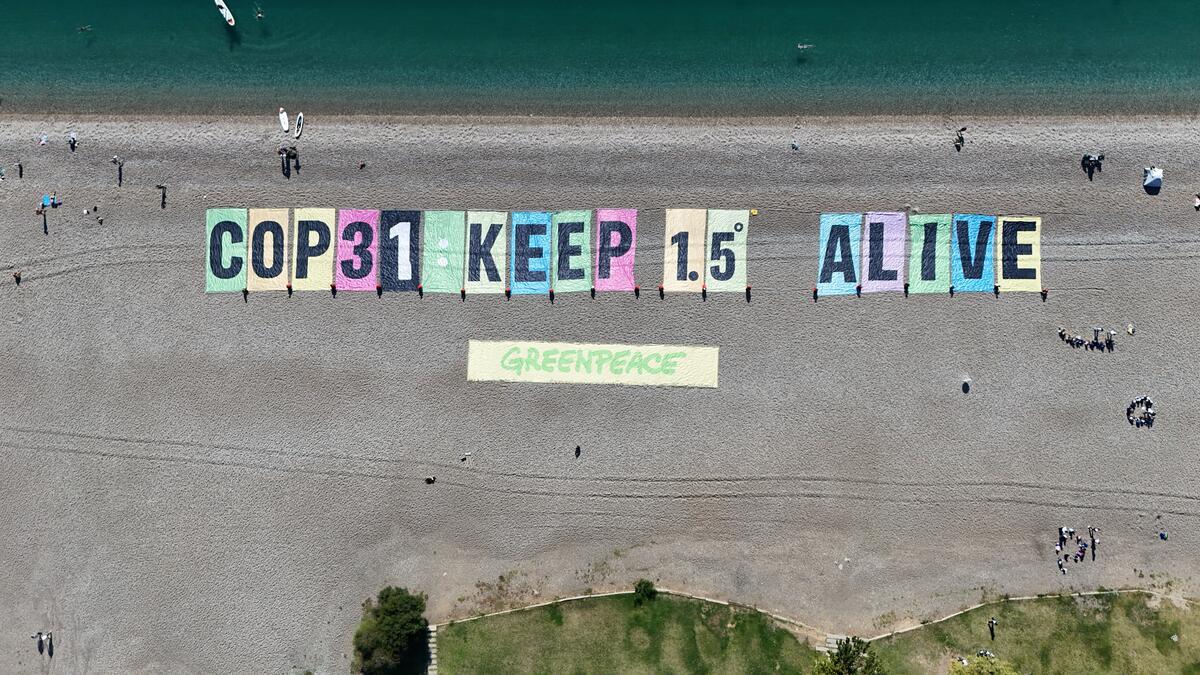
Looming 1.5°C overshoot must spark action to end fossil fuels at COP31 – Greenpeace
Greenpeace International
Antalya, Türkiye – Greenpeace has called on governments at the UN climate summit COP31 to respond to the looming overshoot of 1.5°C with urgent action to phase-out fossil fuels and end forest destruction to limit the extent and duration of the overshoot. After the stark reality check from the UN Environment Programme (UNEP) confirming an overshoot of the 1.5°C global warming limit will occur, the test at COP31 is whether governments can respond with action. Antalya must break the cycle of negotiations that produce incremental compromises rather than the breakthroughs needed to confront the worsening climate crisis. Jasper Inventor, Head of COP31 Greenpeace Delegation said: “The world is not short of climate promises, but we’ve run out of time to prevent a 1.5°C overshoot. Now COP31 must prove how climate diplomacy can deliver real change, not just more commitments that governments spend the next decade discussing how to implement. “COP31 needs to secure a breakthrough that delivers. Every fraction of a degree matters and every year of delay makes the consequences more severe. We need a fast, fair and funded transition away from fossil fuels, an end to forest destruction, urgently required climate finance for developing countries, and to make those most responsible for the climate crisis pay their fair share. “An agreement at COP31 that falls short of what science demands is not a breakthrough, no matter how many countries sign up to it. Implementation cannot mean doing the bare minimum. It’s time for action.” Ahead of the start of COP31, Greenpeace Türkiye activists displayed a giant banner on the Konyaaltı Beach in Antalya that was visible from space as a symbol of the planetary plight. The banner, which read COP31: KEEP 1.5°C ALIVE, was photographed by satellite. Photos are available from the Greenpeace media library and an overview of Greenpeace’s expectations and activities at COP31 are found below.[1][2] Berkan Özyer, Director of Greenpeace Türkiye, said: “As we face one of the most severe energy crises of the last century and the looming 1.5°C overshoot, the need for urgent action has never been clearer. A powerful call is rising from local communities and civil society across Türkiye for a just transition away from fossil fuels and we are bringing this voice directly to COP31. “Türkiye should view its COP31 presidency as a genuine opportunity to demonstrate real climate leadership. The electrification goal will only succeed if it is anchored in a phase-out of fossil fuels and powered by renewable energy. As COP31 host, Türkiye cannot champion global pledges while ignoring contradictions at home: plans for new coal-fired power plants must be immediately canceled, a clear timeline for a just transition away from coal must be announced, and plastic waste imports must be completely banned as the true test of its ‘Zero Waste’ vision.” Shiva Gounden, Head of Pacific at Greenpeace Australia Pacific said: “International law and climate science tell us that 1.5°C is a lifeline for our communities, but the political landscape treats overshoot like a temporary inconvenience. In the Pacific, we know the truth: once our reefs die and our lands disappear under rising seas, there is no coming back, no matter how much carbon you try to pull out of the air decades down the line. This is irreversible harm! “The COP31 electrification push will mean nothing if it’s used to disguise the real problem – fossil fuels. If this COP is to deliver real implementation, it must address the extraction driving us into overshoot. For this to truly be the implementation COP, what actually matters is a binding, managed, funded and urgent phase-out of fossil fuels.” ENDS Photos and video are available in the Greenpeace media library Notes: [1] Greenpeace: COP31 Priorities and Expectations [2] Greenpeace: COP31 Media Briefing and Activities Beyza Kural, Senior Communication Expert, Greenpeace Türkiye, +90 5336 417 123, beyza.kural@greenpeace.org Kate O’Callaghan, Communications Manager, Greenpeace Australia Pacific, +61 4062 31892 kate.ocallaghan@greenpeace.org Greenpeace International Press Desk, +31 (0)20 718 2470 (available 24 hours), pressdesk.int@greenpeace.org Texte intégral (804 mots)
Contacts:
🌱 Bon Pote
Actu-Environnement
Amis de la Terre
Aspas
Biodiversité-sous-nos-pieds
🌱 Bloom
Canopée
Décroissance (la)
Deep Green Resistance
Déroute des routes
Faîte et Racines
F.N.E (AURA)
Greenpeace Fr
Journalistes d'Investigation Ecologie Climat
Journalistes & Ecrivains Nature Ecologie
La Relève et la Peste
La Terre
Le Lierre
Le Sauvage
Low-Tech Mag.
Motus & Langue pendue
Mountain Wilderness
Negawatt
Observatoire des médias sur l Écologie
🌱 Observatoire de l'Anthropocène