
Record results lift Big Oil’s Q3 profits to a disgusting US$ 63 billion, up 140% over last year
Greenpeace International
Amsterdam – The world’s biggest fossil fuel corporations continue to report staggering profits, running into tens of billions every quarter, while households and businesses face soaring energy costs, exposing how fossilflation makes ordinary people pay for a system that destroys the climate and rewards oil and gas giants when crises hit. BP, Chevron and ExxonMobil today reported third-quarter profits of US$8.5 billion, US$ 10.4 billion and US$ 17.5 billion, respectively. Together with results reported earlier this month by Shell, TotalEnergies, Eni and Equinor the seven corporations’ combined third-quarter profits amount to almost US$63 billion. Rebecca Newsom, Global Political Lead at Greenpeace International, said: “Every time a crisis pushes up the prices, the same oil and gas giants are there to cash in. This is fossilflation. The rest of us pay, at the pump, at the checkout, and again through the climate disasters driven by the fuels the industry intends to extract down to the last barrel. This is where decades of fossil fuel dependence have led us, and governments that keep letting these corporations off the hook are leaving households to foot the bill. “It doesn’t have to be this way. If governments permanently increase taxes on oil and gas profits and clamp down on corporate profit shifting, hundreds of billions of dollars could be raised, while supercharging a shift in investment towards cleaner, more secure renewable energy. That revenue should protect communities from price shocks and extreme weather, and accelerate a just transition away from fossil fuels.” Across the seven corporations, third-quarter profits were around US$38 billion higher than in the same period last year. The combined total for the first three quarters of 2026 now stands at US$150 billion. The profits come as inflation puts renewed pressure on already stretched household budgets. Euro area annual inflation rose to 3.8% in September, up from 3.2% in August, with energy prices rising 18.8% year on year.[1] Disruptions to global fuel supplies following the war on Iran have pushed up fuel costs, with the effects reaching transport, agriculture and freight, and threatening to feed through to food and other essentials. With COP31 opening in Türkiye on 9 November, the next round of Global Tax Treaty negotiations beginning in Kenya on 30 November, and two major EU Council Summits in November and December where this issue is likely to be discussed, governments face a clear choice: continue an energy system that leaves people vulnerable to fossil fuel price shocks, or speed up and properly fund a just transition away from coal, oil and gas. Greenpeace International is calling for an end to new fossil fuel expansion and science-based timelines for phasing out production and consumption, faster deployment of decentralised renewable energy, and permanently higher taxes on fossil fuel profits at the national, regional and global level.[2] ENDS Notes [1] https://ec.europa.eu/eurostat/web/products-euro-indicators/w/2-16102026-ap [3] Greenpeace International’s new ’fossilflation’ report examines how oil and gas price shocks drive inflation and expose households to geopolitical crises. The report argues that accelerating decentralised renewable energy and electrification can reduce this risk. Contact: Greenpeace International Press Desk, +31 (0)20 718 2470 (available 24 hours), pressdesk.int@greenpeace.org Texte intégral (649 mots)
Fossilflation: War on Iran oil shock shows why we need to replace fossil fuels with renewables
Martin Zavan
The latest oil price shock has exposed a problem that goes far beyond the war on Iran and its devastating human and environmental consequences. New Greenpeace International analysis shows how dependence on fossil fuels leaves household budgets exposed to volatile international markets, with price shocks feeding through into the wider economy. Between January and August 2026, fossil fuel prices accounted for the entire 1.5 percentage point rise in eurozone inflation, according to the analysis. Without the oil price shock, eurozone inflation in August would have been 2.2 per cent, rather than 3.2 per cent. This is fossilflation. And it is a problem that will keep returning for as long as our economies depend on fossil fuels. When oil and gas prices rise, people can end up paying more for essentials. The war on Iran has exposed this vulnerability again. Dependence on fossil fuels leaves people’s living costs tied to conflict, disrupted supplies and volatile international markets. People around the world already know what fossilflation feels like. When oil and gas prices rise, the effects reach far beyond the petrol station or the energy bill. They ripple through transport, food production, manufacturing and the cost of everyday goods and services. The latest price shock has been felt globally, but not equally. While the analysis focuses on Europe and the US, the consequences extend to regions such as Southeast Asia and Africa, where households and economies often have less capacity to absorb higher prices. Rising costs can push essential goods and energy further out of reach, compounding existing inequalities. The result is an economic system in which people have little control over the forces driving their living costs. A war or disruption thousands of kilometres away can send prices soaring at home, regardless of whether households have changed how much energy they use. The new analysis shows just how strongly energy prices have shaped inflation in recent years. Energy prices drove 100 per cent of changes in inflation in the US and in the Eurozone so far in 2026. Before the pandemic, the figures were already high: 71 per cent in the eurozone and 93 per cent in the US. This suggests fossilflation is not simply a temporary consequence of an exceptional crisis. It is a recurring vulnerability built into an economy that remains dependent on volatile fossil fuel markets. Interest rate rises cannot fix the underlying problem. Central banks can try to dampen inflation by reducing demand, but they cannot stop wars, prevent disruptions to oil and gas supplies or make international fossil fuel prices predictable. Higher borrowing costs can add pressure for households and local businesses without removing the source of the shock. As long as fossil fuels remain central to our energy systems, the next disruption will trigger another wave of price rises. The trigger may change, but the vulnerability remains. The analysis also points to a different future: one in which households are less exposed to fossil fuel price shocks because they generate and use clean energy. In a simulation, a fully electrified German household using an electric vehicle, heat pump, rooftop solar and battery storage experienced a 1.5 per cent price increase between January and August 2026, compared with 2.5 per cent for the official consumer basket. This is an illustration of the protection that electrification and locally generated renewable energy can offer. Rooftop solar and batteries can reduce reliance on volatile energy markets. Electric vehicles and heat pumps can replace oil and gas consumption with electricity, increasingly supplied by renewable sources. The benefits extend beyond individual households. A decentralised renewable energy system, built around clean power generated closer to where it is used, can reduce dependence on imported fossil fuels and give communities greater control over their energy supply. But these benefits will not reach everyone automatically. Governments must accelerate the transition and ensure households can access the technologies, infrastructure and support they need. People already struggling with energy costs should not be left behind while others benefit from cheaper, cleaner energy. Fossilflation reveals a fundamental contradiction in the current energy system. Governments are expected to protect people from rising living costs, yet continued dependence on fossil fuels leaves people exposed to price shocks governments cannot control. The answer cannot be to wait for the next crisis and then try to cushion its effects. Nor can it be to treat every price spike as an isolated event. The underlying vulnerability must be addressed. Governments must speed up the replacement of fossil fuels with decentralised renewable energy and electrification. That means expanding access to clean electricity, accelerating the rollout of solar and batteries, supporting the shift to electric transport and heating, and ensuring the transition benefits households and communities. The latest data makes clearer what people across the world are already experiencing: fossil fuel dependence is a source of economic instability, not security. The war in Iran has exposed that vulnerability once again. Unless we replace the system that creates it, another shock will come, and people will be left paying the price. A renewable energy system offers a way to break that cycle: cutting climate pollution while giving people greater protection from volatile international markets and more control over the energy they depend on. Martin Zavan is a freelance communications strategist at Greenpeace International, based in Sydney. Stop fossil fuel giants profiting from war and pollution. Sign now to tax profits and fund disaster relief and energy independence. Texte intégral (2330 mots)

Fossil fuels keep exporting crises into our homes
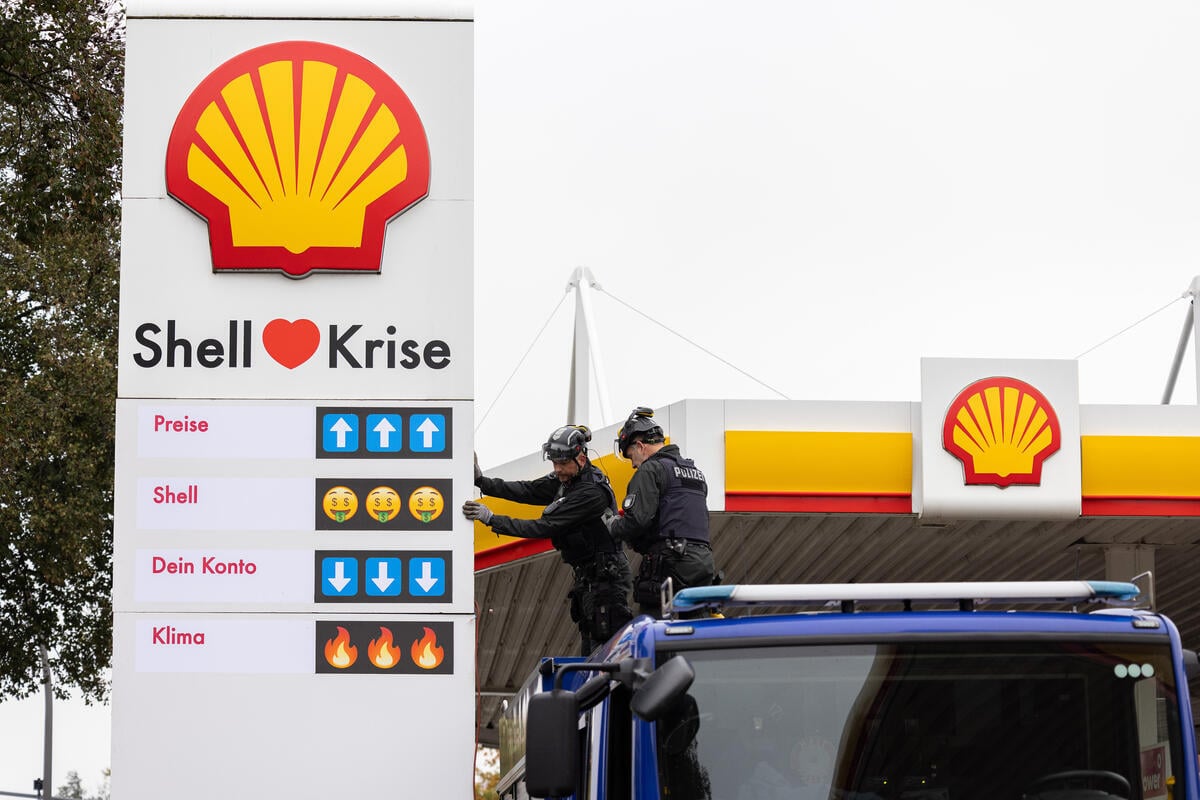
An inherent feature, not a bug
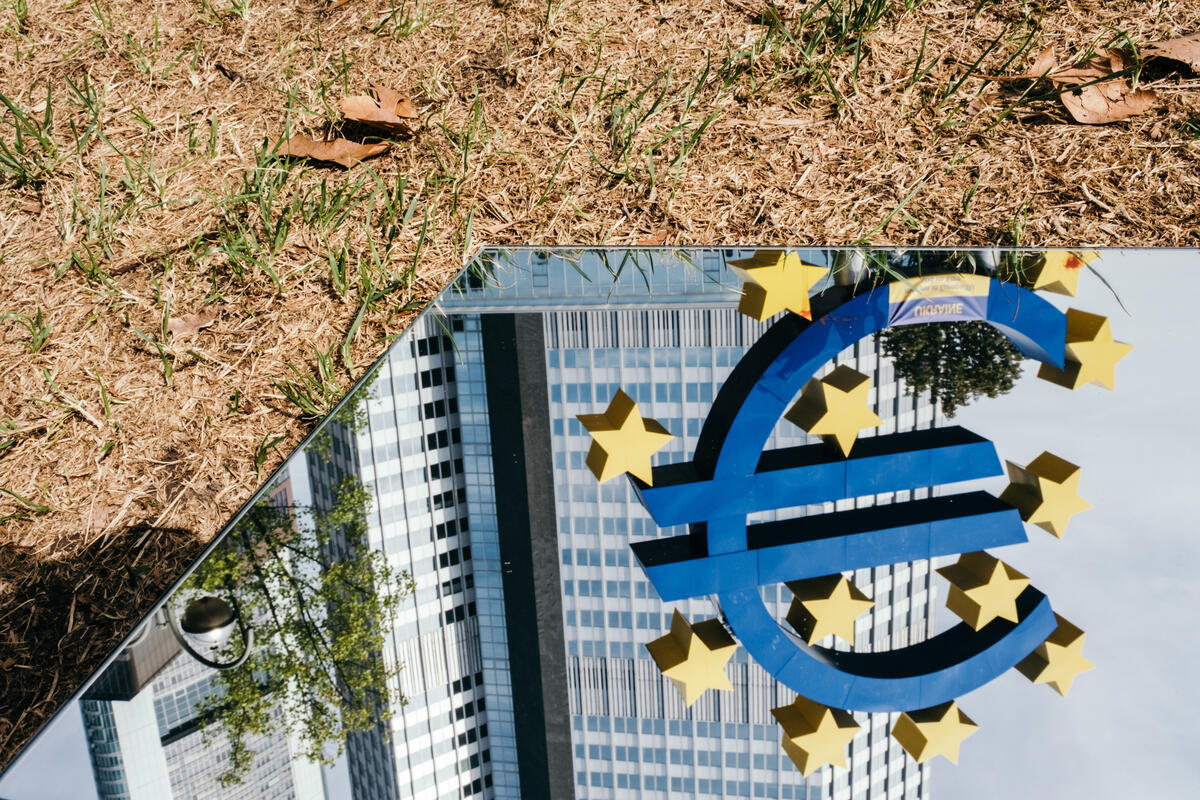
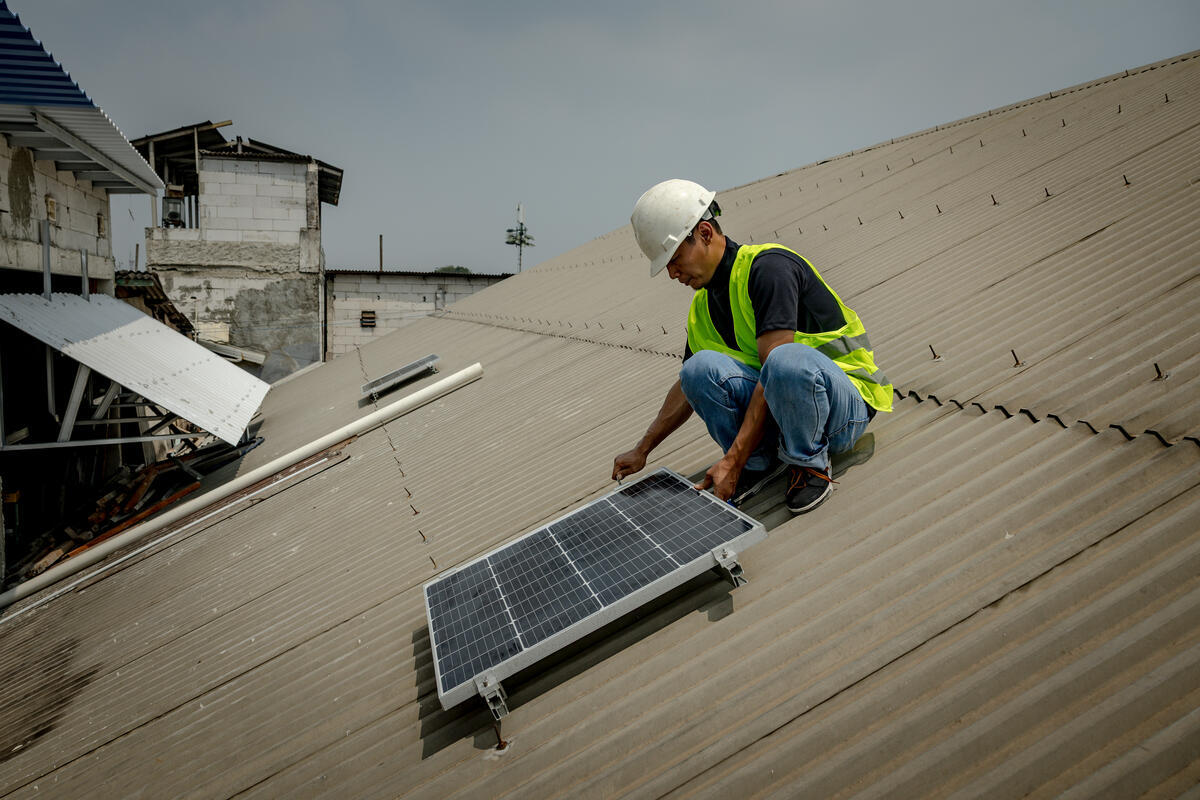
Electrification and renewables offers a way out
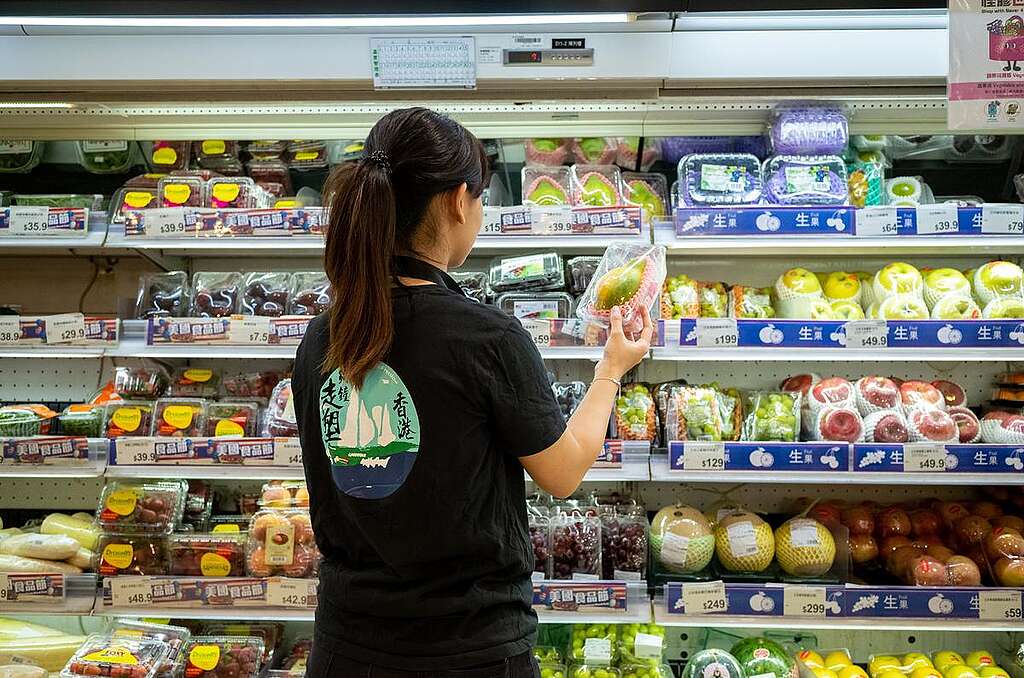
Replace the system that keeps making people pay
Largest meat and dairy exporters could conceal over 1.5 billion tonnes of greenhouse gas emissions if controversial accounting metrics adopted
Greenpeace International
Amsterdam, Netherlands – An alternative greenhouse gas accounting metric being aggressively backed by agribusiness lobbyists would allow major meat and dairy exporting nations to conceal their livestock sector’s impact on global warming by massively overstating methane emissions reductions, new research commissioned by Greenpeace International has revealed. Sophie Nodzenski, Campaigner at Greenpeace International, said: “Rapid methane cuts give us our best shot at keeping global heating overshoot to a minimum while we decarbonise the global economy. Yet, while temperature overshoot takes center stage at COP31, the industrial livestock lobby is pushing a dangerous accounting trick to shirk its fair share. Changing the metrics to hide real emissions isn’t climate action – it’s shifting the bill for massive pollution onto those least responsible for it.” The report investigates GWP*, a controversial metric that tracks whether methane emissions are going up or down rather than counting total emission changes. It assumes that steady methane emissions cause no extra warming because methane breaks down quickly – even though it traps 80 times more heat than carbon dioxide in the short term and is responsible for approximately 0.5°C of global heating. According to modeling by the think-tank Cerulogy, GWP* allows countries to present negligible cuts in emissions as significant climate victories. A cut of a mere 0.6% in actual methane emissions by the world’s ten largest meat and dairy exporters between 2020 and 2030, could be reported as a 30% reduction under the GWP* metric. A 30% reduction of actual emissions would allow these countries, if adopting the GWP* metric, to claim their emissions are actually cooling the planet – logging 898 million tonnes of “negative emissions” without making any real change. Under the standard metric, 2030 would still see 640 million tonnes of methane released by livestock into the atmosphere, continuing to massively drive climate heating.[1] This bookkeeping trick wipes away real-world climate-heating gases, creating a massive 1,538 million tonne gap between reported figures under GWP* and atmospheric reality in a single year. The investigation highlights the extreme scale of these artificial ‘paper’ reductions. 1,538 million tonne of carbon is: If some countries unilaterally decide to report their methane emissions using GWP* within the framework of a global climate agreement that was built with absolute reductions in mind, this would effectively wipe massive emissions off the global emissions balance sheet, surreptitiously eating up our remaining carbon budget for limiting warming to 1.5°C. Over the 2020-2030 period, systemic GWP* reporting from these 10 countries would create a cumulative gap of obscured emissions equal to nearly a fifth of the world’s current total annual global greenhouse gas emissions. The report also highlights a risk of governments using these paper savings in agriculture to justify slower decarbonisation in heavy-polluting fossil fuel sectors. Australia, for example, could use GWP* to report 76 million tonnes of negative emissions to justify continued pollution in its dirty coal sector equivalent to 20 coal-fired power stations running for a year. Meanwhile, the United States could hide emissions equivalent to 86 million passenger cars. Greenpeace International warns that GWP* is a threat to global climate goals and is urging governments to reject GWP* for national target setting and reporting, establish binding agricultural emissions reduction targets aligned with 1.5°C, and support a just transition toward ecological farming. ENDS Notes: Download the Report: The Methane Scam Briefing [1] CCAC Secretariat. (2022, April 8). New IPCC report bolsters evidence that methane reductions are key to preventing climate catastrophe. Climate & Clean Air Coalition. Contacts: Joe Evans, Global Comms Lead at Greenpeace UK, +44 7890 595387, joe.evans@greenpeace.org Greenpeace International Press Desk, +31 (0)20 718 2470 (available 24 hours), pressdesk.int@greenpeace.org Texte intégral (810 mots)
Download the Summary: The Methane Scam Summary
Brazil’s historic election is what hope looks like
Lu Sudré
People power in Brazil is what hope looks like. For three intense weeks, the people of Brazil took to the streets and ensured their voices were heard when it mattered most. Despite disinformation, denialism, and interference by Big Tech companies, Brazil decided for Brazil to re-elect President Luiz Inácio Lula da Silva. The people power on display in this historic election — it was the first time in Brazil a candidate who finished second in the first round has turned the tide and secured a victory — matters to the entire world. It strengthens democratic regimes, maintains the commitment to a protected Amazon and the fight against climate change, and joins other governments that already recognise the threat Big Tech poses to national sovereignty and electoral processes. Leading up to the election, Greenpeace Brazil joined CTRL + Z and dozens of other civil society organisations and individuals in signing an open letter calling out the Big Tech for tipping the scales towards far right candidate Senator Flávio Bolsonaro. From AI deepfakes to shadowbans, platforms were violating Brazilian election laws and tilting the scales. Autocrats, tech billionaires, and the far right rely on public confusion, exhaustion and cynicism to keep power. But an informed and united movement shatters that playbook every single time. The autocrats are losing. Not just in Brazil. The same day, Serbia also rejected longtime autocrat Aleksandar Vucic in elections, following a years-long student-led opposition movement. Autocrats and far right politicians and their tech billionaire enablers rely on public exhaustion to keep their grip. But an organised, united movement shatters their playbook every single time. Remember: we don’t just watch history happen, we build it. Lu Sudré is Head of Communications with Greenpeace Brazil. Texte intégral (937 mots)
Resisting Big Tech’s election interference
The people have the power
 (@greenpeace)
🌱 Bon Pote
Actu-Environnement
Amis de la Terre
Aspas
Biodiversité-sous-nos-pieds
🌱 Bloom
Canopée
Décroissance (la)
Deep Green Resistance
Déroute des routes
Faîte et Racines
F.N.E (AURA)
Greenpeace Fr
Journalistes d'Investigation Ecologie Climat
Journalistes & Ecrivains Nature Ecologie
La Relève et la Peste
La Terre
Le Lierre
Le Sauvage
Low-Tech Mag.
Motus & Langue pendue
Mountain Wilderness
Negawatt
Observatoire des médias sur l Écologie
🌱 Observatoire de l'Anthropocène