
We are still standing: from Lokolama, our forest continues to speak
Valentin Engobo Mufia
This story was originally posted by Greenpeace Africa As the sun rises over Lokolama, the forest awakens long before we do. Birdsong echoes through the canopy. Our elders are already walking the familiar forest paths they have known all their lives. Barefoot children run freely among the trees, unaware that during August the world is celebrating the Indigenous Peoples Month. For them, this month is no different from any other. It is simply another month spent with the forest that feeds them, protects them, heals them and teaches them how to live. For me, however, this month is a reminder. A reminder that our story deserves to be told differently. For far too long, Indigenous Peoples have been portrayed as vulnerable communities in need of protection. Yet long before the world began talking about climate change, biodiversity or nature-based solutions, our ancestors from Africa and other parts of the planet were already protecting these forests. They understood something fundamental: you do not own the forest, you belong to it. I was born in Lokolama, Équateur Province of the Democratic Republic of the Congo (DRC). Here, I learned to recognise the trees, to listen to the silence of the forest, and to understand that every river, every peatland and every living species forms part of a fragile balance that we have a responsibility to pass on to future generations. Last year, Greenpeace Africa came to our village. For several days, we walked together beneath the towering trees. We shared our stories, listened to our elders, met with young people, learned from the women of our community and discovered together that our ancestral knowledge is far more than a cultural heritage. It is a practical response to many of the challenges our planet faces today. The expedition to Lokolama and Penzélé showed that Indigenous communities are not merely beneficiaries of conservation; we are its first architects. The forest is our past, our present and our future One memory remains especially vivid. I remember watching the children as they drew their vision of the perfect forest. Not one of them drew an empty forest. They drew towering trees, rivers filled with fish, bonobos, birds, butterflies and families living together in harmony with nature. Their drawings were simple. Yet they carried a profound truth: I also remember our conversations with the communities of Penzélé. We spoke about past challenges and misunderstandings, but above all, about our shared determination to build a future where forests are no longer a source of conflict but a place of cooperation and peace. Because protecting the forest also means protecting the bonds that unite the people who call it home. Today, as world leaders discuss climate finance, carbon markets, biodiversity and sustainable development, I would like to remind them of one essential truth. These forests have been safeguarded for generations by the women, men and young people who live within them. Our knowledge does not come from books. It comes from the seasons. From the rivers. From the trees. From the forest paths our grandparents taught us to walk with humility and respect. This does not mean that we reject development. On the contrary. We aspire to quality schools, accessible healthcare, better roads that connect our villages and opportunities for our young people. But we believe that genuine development can never come at the expense of our identity, our ancestral lands or our rights. We want to be partners. Not merely observers. We want to participate in the decisions that affect our territories because no one knows this forest better than the people who have lived with it for generations. I am not asking the world to celebrate us. I am asking the world to listen to us. To listen to the voices rising from Lokolama, from Penzélé and from countless other villages across the Congo Basin and across the Earth. Because behind every one of those voices lies knowledge, solutions and a vision of the future that our planet needs now more than ever. Our shared future depends on our ability to protect the world’s forests. And protecting forests begins with respecting those who have always been their first guardians. We are Indigenous Peoples. We are not the past. We are an essential part of the future of the Congo Basin. And as long as the forest continues to breathe, We will continue walking beside it. Valentin Engobo Mufia is a Representative of the Tshwa Indigenous People of Lokolama from The Democratic Republic of the Congo. Texte intégral (2306 mots)
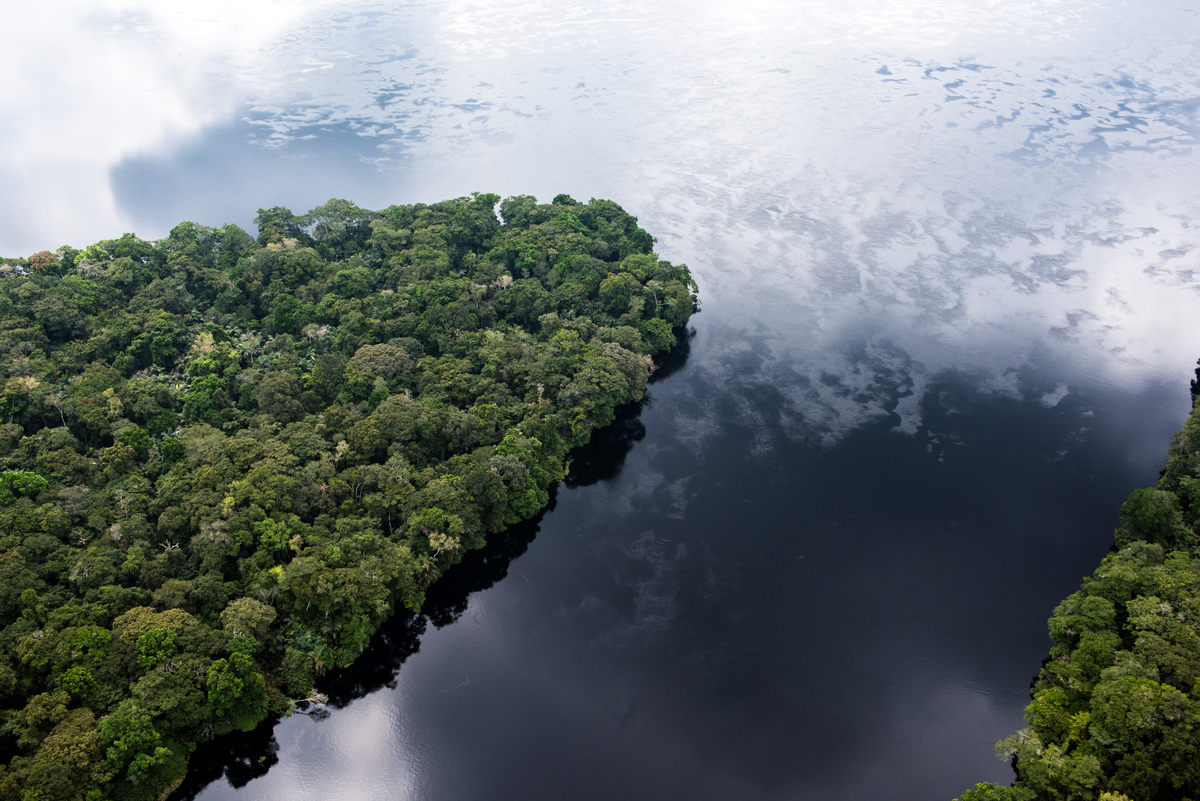
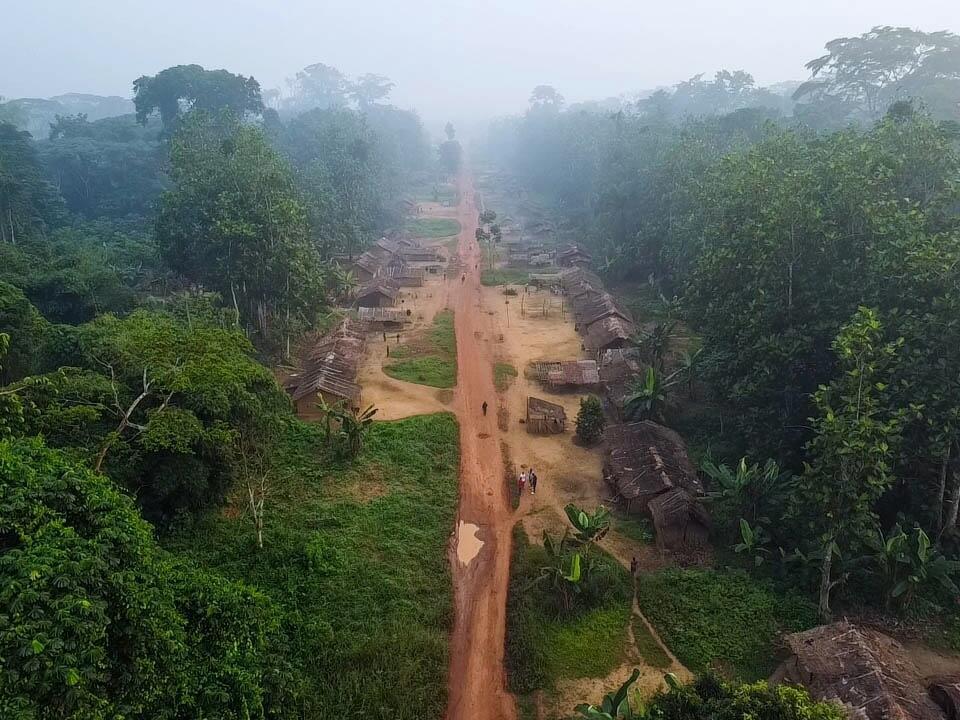
Our ancestral knowledge is far more than a cultural heritage
Our forest is our home, our identity and our future
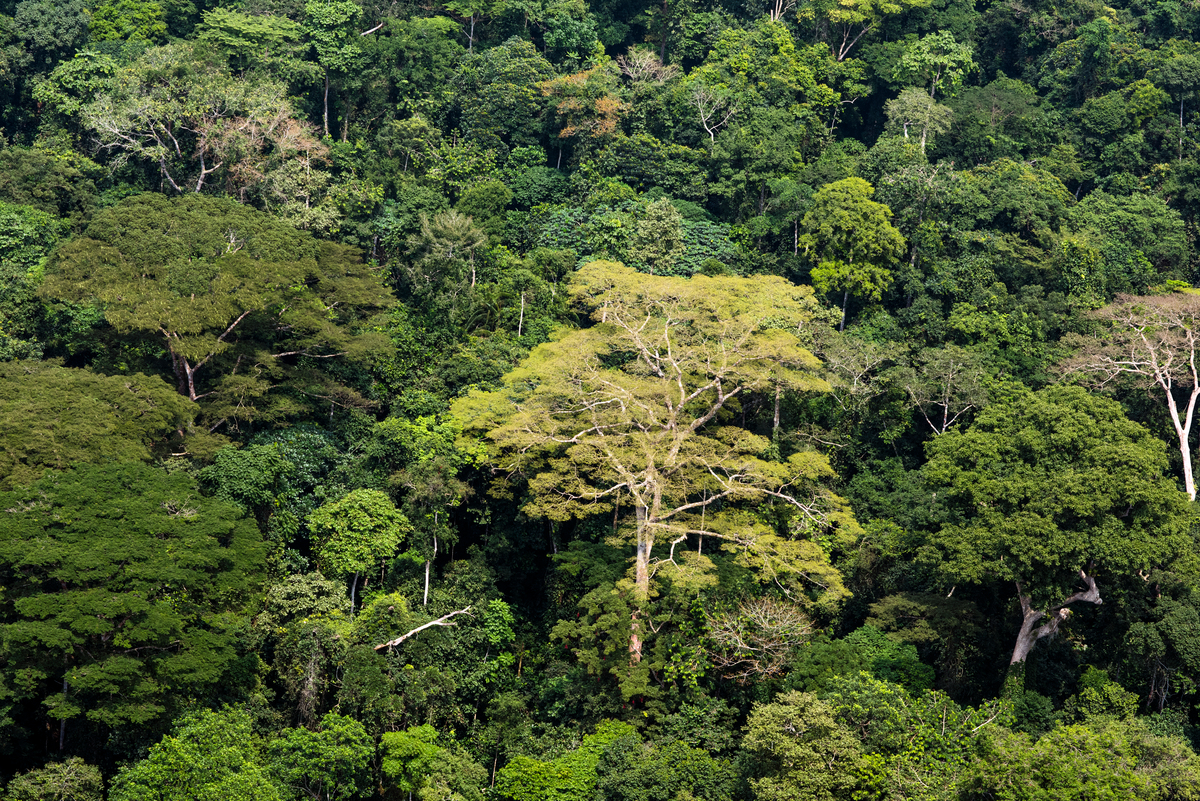
The forests of the Congo Basin did not wait for international conferences to be protected
We want to be part of decision making processes
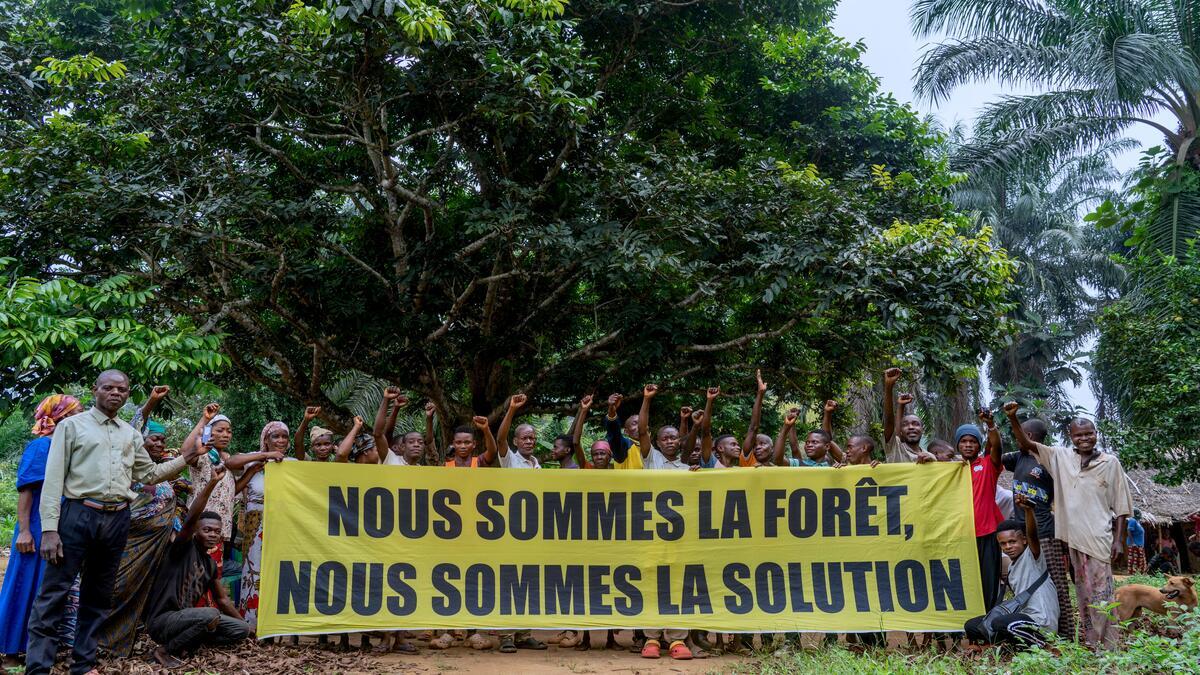

Indigenous resistance is key to building a post-extractive future
Tsering Lama
True allyship can only take hold when we recognise that Indigenous peoples’ struggles are intricately bound up with our collective fate. Our greatest hope against ecological breakdown is to support Indigenous sovereignty and actively join the global resistance against extractive industries. This is a matter of our mutual survival and liberation. “If you have come here to help me you are wasting your time, but if you have come because your liberation is bound up with mine, then let us work together.” Differing from the simple act of harvesting a resource (such as cutting down a single tree), extractivism is an economic model that treats the Earth as an endless storehouse of raw materials. Nature is commodified and extracted at an industrial scale and exported to enrich distant interests, while local communities (often Indigenous) bear the devastating ecological and social costs. It’s no coincidence that the concept of extractivismo (extractivism) originated in Latin America – a region that has served as ground zero for over 500 years of imperial plunder, while simultaneously remaining the global heartland of Indigenous frontline resistance. For many Indigenous communities, resisting extractivism looks like a fundamental struggle to exist in the eyes of the law. States have long used the denial of Indigenous identity as a tactical weapon to erase land claims, clear territories for corporate concessions and evade legal accountability under international law. Nevertheless, Indigenous movements have generated some of the most vibrant, historic and effective mobilisations in recent memory. An Indigenous Environmental Network (IEN) report found that Indigenous-led resistance in North America has successfully delayed or stopped greenhouse gas pollution equivalent to at least 25% of annual US and Canadian emissions. Through decades of tireless organizing, Indigenous leaders secured foundational frameworks like ILO Convention 169 and the UN Declaration on the Rights of Indigenous Peoples (UNDRIP). These instruments serve to enshrine the principle of self-determination, establishing that Indigenous peoples alone have the right to define their own identities, institutions and relationships to their territories. Frontline Indigenous defenders routinely face systemic intimidation, land theft, state criminalization and lethal violence. According to data from Global Witness, while Indigenous peoples represent roughly 6% of the global population, they consistently account for more than one-third of all land and environmental defenders murdered worldwide each year. Colonial states also spread racist and prejudiced narratives about supposed Indigenous inferiority. These myths have permeated many levels of society and led to a profound disconnection not only from Indigenous peoples but also ancient traditions, their wisdom, knowledge systems and ways of relating with the Earth and other living beings that we sorely need to revive. Today, Indigenous movements are also challenging accelerating demand for so-called ‘critical minerals’. Brought about by the energy transition, AI and Big Tech, and the defense sector, this speculative rush for minerals is giving rise to new sacrifice zones. In her book Extraction, political scientist Thea Riofrancos spotlights frontline Indigenous communities fighting back against ‘green extractivism,’ exposing how the rush for clean energy minerals risks repeating historic colonial harms. To break this cycle, Riofrancos advocates for solutions that move beyond simply swapping gas-powered vehicles for electric ones, calling instead for public transit investments, circular material recycling and a deliberate reduction in overall resource consumption. In response to today’s intensifying extractive rush, Greenpeace has partnered with other NGOs and experts to launch the Restricted Areas Map, indicating places where mining poses unacceptable environmental, social, cultural or rights-related risks. Across courtroom battles, frontline blockade and international climate summits, Indigenous activists share a repeating set of demands. In 2025, Indigenous youth representatives from the world’s primary tropical forest basins, the Amazon, the Congo Basin, Borneo and West Papua, penned their version with the Sira Declaration. Drafted in West Papua, the declaration lays out a call to action for governments, corporations and international bodies to: Global public opinion strongly supports these demands. A Greenpeace poll spanning 17 countries across five continents* revealed that 78% of respondents trust Indigenous Peoples and local communities most to protect forests (compared to 49% for governments and 42% for corporations). Additionally, 75% of respondents agree that Indigenous peoples should receive direct climate funding to safeguard their ancestral territories. Stopping destructive corporate projects is only the first step. A post-extractive future requires a post-colonial future. In a time as critical as this, non-Indigenous allies cannot remain passive observers. Decolonisation requires that settler populations actively reject the ideology of extractivism by rejecting the commodification, domination and exploitation of Nature. Indigenous leadership provides practical blueprints for post-extractive societies founded on care, ecological balance and generational/collective well-being. A Greenpeace report highlights inspiring case studies of community-led forest solutions. *Polling Methodology Note: Countries surveyed include Kenya, South Africa, Argentina, Brazil, Colombia, Canada, USA, Indonesia, Malaysia, South Korea, Australia, Denmark, France, Germany, Netherlands, Spain, and the UK. Tsering Lama is a storytelling manager with Greenpeace International. Texte intégral (2479 mots)

What is extractivism?
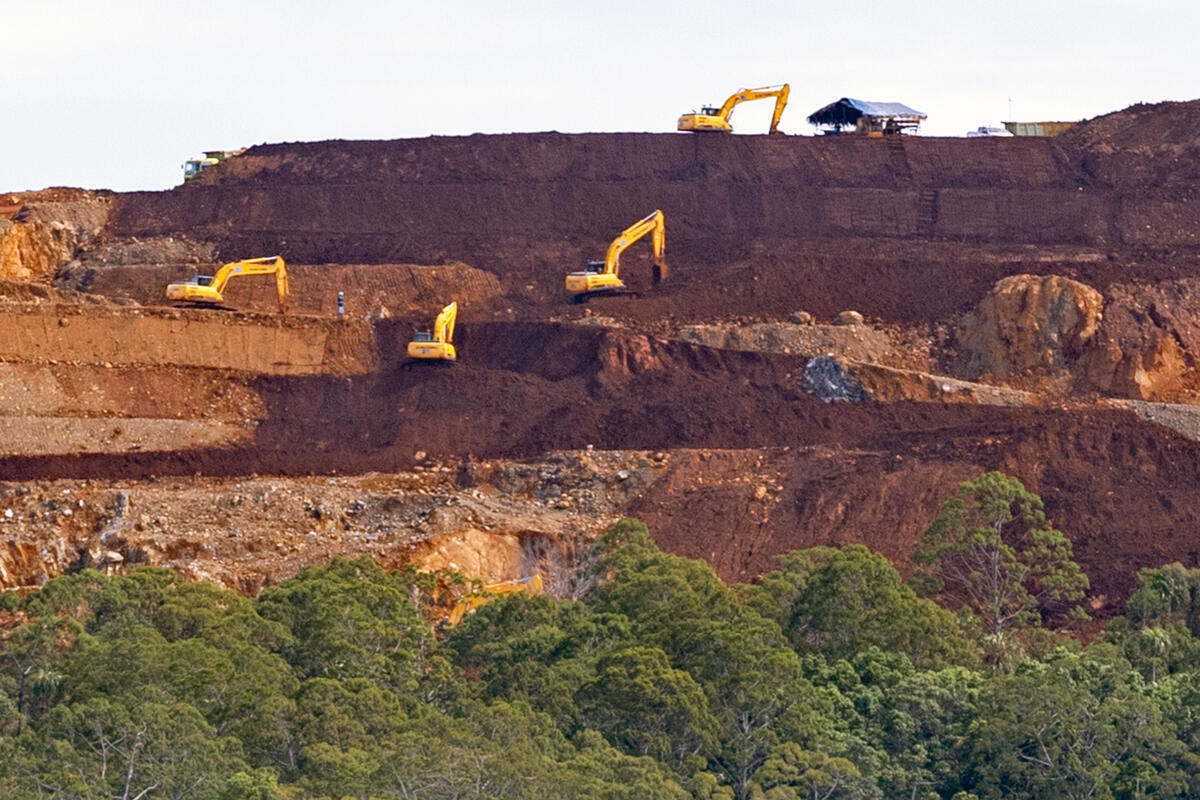
The battle over recognition and sovereignty
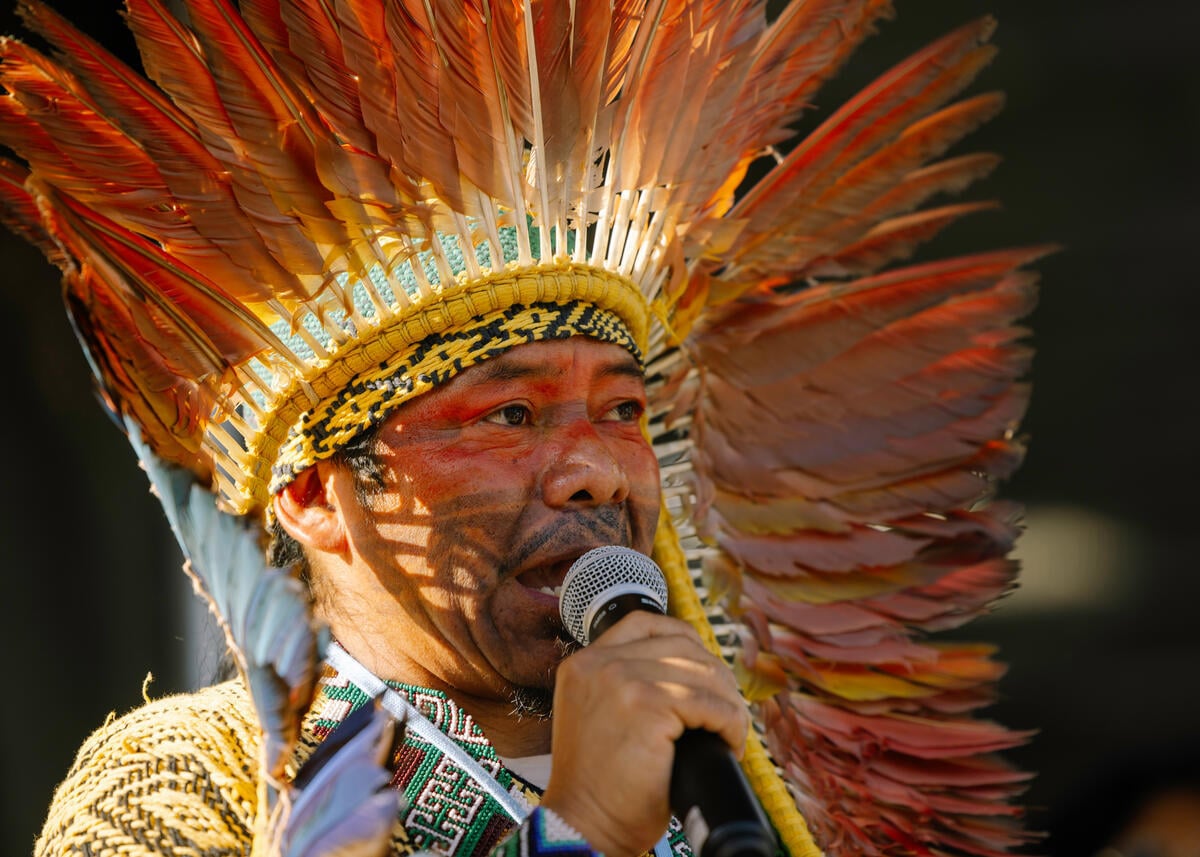
The high cost of defense
Confronting ‘green extractivism’
Demands of Indigenous environmental movements
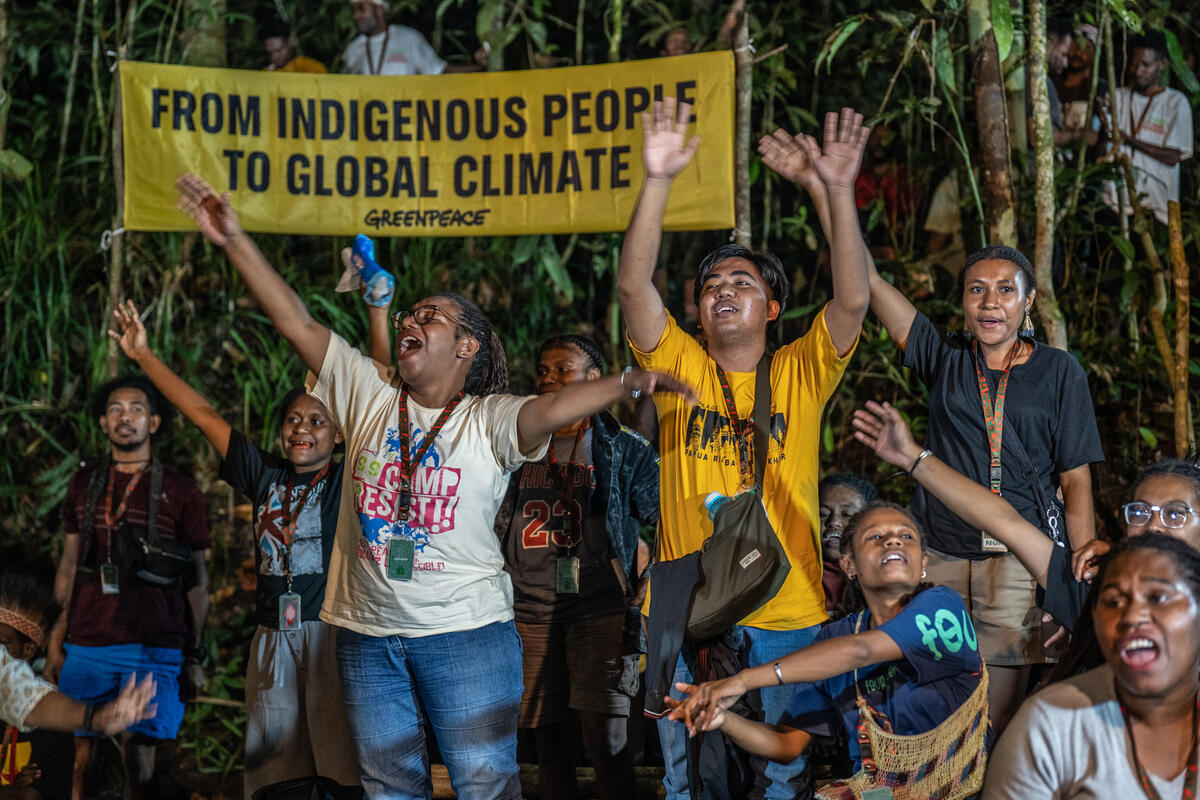
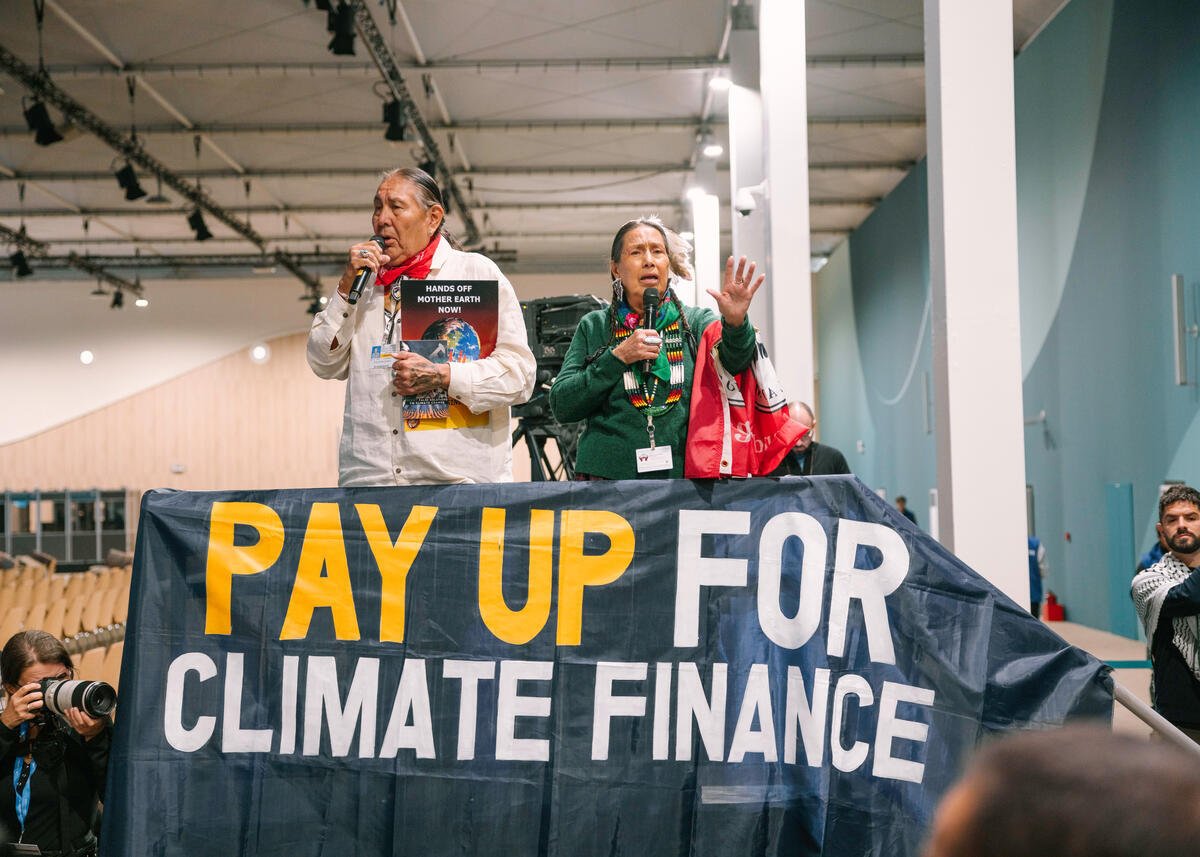
Public support for Indigenous leadership
Building a just, post-extractivist future
🌱 Bon Pote
Actu-Environnement
Amis de la Terre
Aspas
Biodiversité-sous-nos-pieds
🌱 Bloom
Canopée
Décroissance (la)
Deep Green Resistance
Déroute des routes
Faîte et Racines
🌱 Printemps des Luttes Locales
F.N.E (AURA)
Greenpeace Fr
JNE
La Relève et la Peste
La Terre
Le Lierre
Le Sauvage
Low-Tech Mag.
Motus & Langue pendue
Mountain Wilderness
Negawatt
🌱 Observatoire de l'Anthropocène