
Greenpeace voice alarm over verdict on human trafficking onboard fishing vessel, call for justice
Greenpeace International
Taiwan — Today, Taiwan’s Kaohsiung District Court found the captain and chief officer not guilty in a case involving allegations of human trafficking and labor exploitation aboard Da Wang, a Taiwanese-owned, Vanuatu-flagged tuna fishing vessel that exported its fish globally. The case dates back to June 2019, when a 19-year-old Indonesian fisher, Sunoto, was reportedly struck in the back of the head while working aboard the Da Wang and was found dead in the cabin the following morning. Prosecutors in the case said the vessel’s captain and first officer used violence and coercion to exploit migrant fishers aboard. Manny (pseudonym), a Filipino fisher who is also a victim and witness in the Da Wang forced labour case, said the verdict was deeply heartbreaking and disappointing to him. He said, “The captain assaulted and beat people on board every day. He was responsible for Sunoto’s wrongful death and should be held accountable under the law. If there is an opportunity to appeal, I will appeal the case all the way.” Shay Kuo, Oceans Campaigner at Greenpeace East Asia’s Taipei Office, said: “Despite multiple testimonies and indications pointing to forced labour and violence aboard the vessel, the court’s decision highlights the difficulties of gathering evidence and establishing proof at sea, underscoring the challenges facing the maritime regulatory system. Seven years on, full justice remains out of reach. To prevent further victims and broken families, the Taiwanese government must strengthen oversight of fishing vessels and require seafood companies to take responsibility for human rights abuses throughout their supply chains.” Greenpeace Southeast Asia and the Union of Indonesian Migrant Workers (SBMI) first documented allegations of severe labour abuses — such as violence, excessive working hours and wage-related abuses — aboard the Da Wang in its 2019 investigation. [1] Sari Heidenreich, senior human rights adviser for Greenpeace USA’s Global Fisheries campaign, said: “This heartbreaking verdict cannot be the end of the story. A migrant fisher lost his life, and other workers reported serious abuses, including forced labor, aboard the same vessel. This case exemplifies the uphill battle that fishers face to achieve justice and remedy. Responsibility does not end with vessel operators. All of Big Seafood, which includes companies buying and trading seafood, must be rigorous in their due diligence to ensure that forced labor and abuse are not happening anywhere in their supply chains and that, if they do, victims have access to swift and meaningful justice and remedy.” The Da Wang case exposes the widespread problem of seafood supply chains remaining profitable while the migrant workers who catch the fish bear the greatest human cost. The Greenpeace global network’s Beyond Seafood Campaign has called for concerted action by all stakeholders and governments along the seafood supply chain to end isolation at sea. This includes: ENDS Notes [1] Greenpeace Southeast Asia and the SBMI first documented allegations of severe labour abuses aboard the Da Wang in its 2019 investigation, Seabound: The Journey to Modern Slavery on the High Seas. Greenpeace East Asia passed the testimony of an onboard Indonesian fisher to Taiwan’s Fisheries Agency, who then took the evidence to the Kaohsiung District Prosecutors’ Office for investigation. In April 2022, the Kaohsiung District Prosecutors’ Office indicted nine people, including the vessel owner, captain, first officer and others, on charges including violations of Taiwan’s Human Trafficking Prevention Act. Separately in the United States, the US Customs and Border Protection (CBP) issued a Withhold Release Order (WRO) against tuna caught by the Da Wang in August 2020 and a Finding against the Da Wang for forced labour in January 2022. In the same year, Greenpeace USA found tuna for sale by Bumble Bee in the U.S. that was sourced from the Da Wang during the alleged human trafficking and forced labor occured. Bumble Bee also faces a separate federal lawsuit brought by Indonesian fishers who allege that the company benefited from tuna harvested using their forced labor. Contacts Vela Andapita, Global Communications Coordinator, Beyond Seafood campaign, Greenpeace Southeast Asia, +62 817 5759 449 (UTC+8), vela.andapita@greenpeace.org Greenpeace International Press Desk, +31 (0)20 718 2470 (available 24 hours), pressdesk.int@greenpeace.org Texte intégral (895 mots)
Climate emergencies photos of 2026: Part II
Sudhanshu Malhotra
We have just witnessed some of the hottest months on record as the climate continues to heat up. The trauma of watching massive forest fires, flash floods, and super typhoons is horrifying, to say the least. The horror of huge forest fires in Spain, France, Greece, Germany, Canada, and now Indonesia is an alarm bell we all need to wake up to. The frequency of super typhoons bringing destruction to China, the Philippines, and Japan is another form of extreme weather patterns that scientists have warned us about for years. If this was not enough, we also witnessed flooding in India, Pakistan, Afghanistan, Hawaii (USA), South Korea, China, Japan, and Peru. Parts of North Africa, including Morocco, have faced back‑to‑back heatwaves on top of drought, with temperatures reaching 44 to 46°C in provinces from Marrakech and Beni Mellal to Laayoune and Dakhla. All of this happened even before El Niño was expected to intensify toward the year’s end. The full impact could potentially be much worse than what happened so far. While so much of the destruction of nature and human life is happening every week, too many of our governments are acting without the urgency this crisis demands. There is still a huge emphasis on making more profits, including more oil exploration and continued wars, combined with insufficient action towards addressing the core issue of climate change. In fact, some countries, are still rusted on to a ‘drill, baby, drill’ approach, but there there are also many others that are ready to plan for and implement a transition away from fossil fuels. So there is a tendency to get distracted and forget about the consequences of our mistakes. That is why we document these climate emergencies so we can do our best not to repeat them in the future. This blog is an attempt to record the results of the combined inaction of our governments and the race to preserve this beautiful planet. Texte intégral (2974 mots)
 France: The wildfires affected France, particularly in the north and south of the country, burning 115,000 hectares. The wildfire season was classified as the worst in the country since 1949. Beachgoers sit on the beach of Moutchic in Lacanau, southwestern France on July 24, 2026, as clouds of smoke rise into the sky from a wildfire. The fire raged in the northern part of the Arcachon Basin in Gironde, southwest France.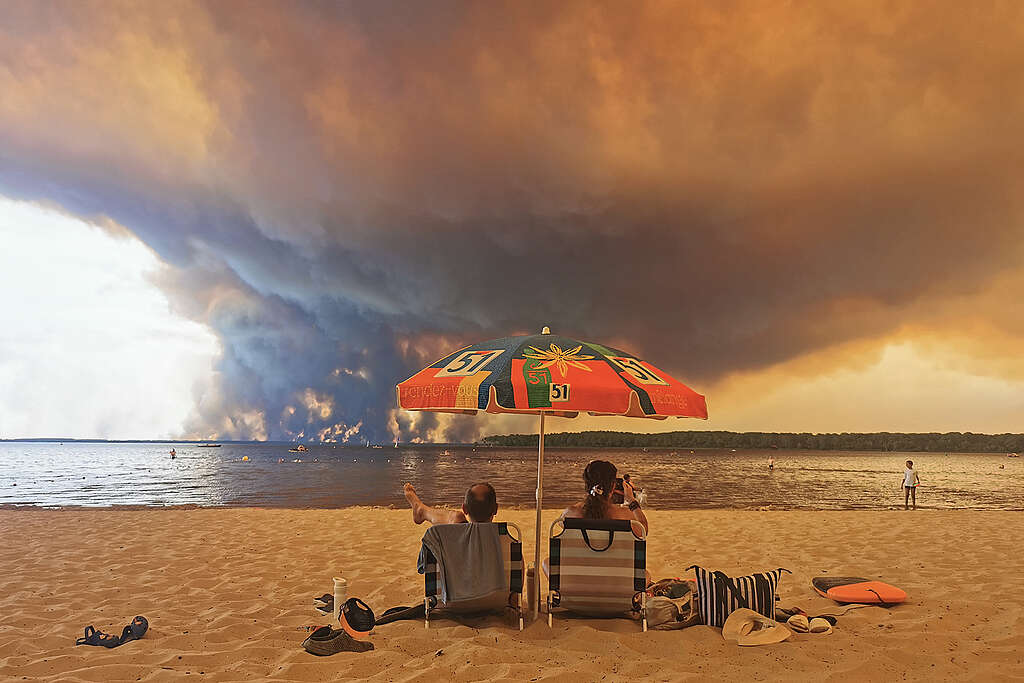
 Spain: The forest fire burned 25,000 hectares across Madrid and neighbouring Avila province, forcing more than 60,000 people (a downwardly revised figure) to flee their homes, according to authorities, who labelled the fire the “worst in history” for the Madrid region.
 Philippines: Tropical cyclones and monsoon rains sweeping across the Philippines triggered widespread floods. Residents were evacuated to higher ground with their belongings in Barangay Sta Ana, San Mateo, Rizal, Philippines, on 17 August 2026.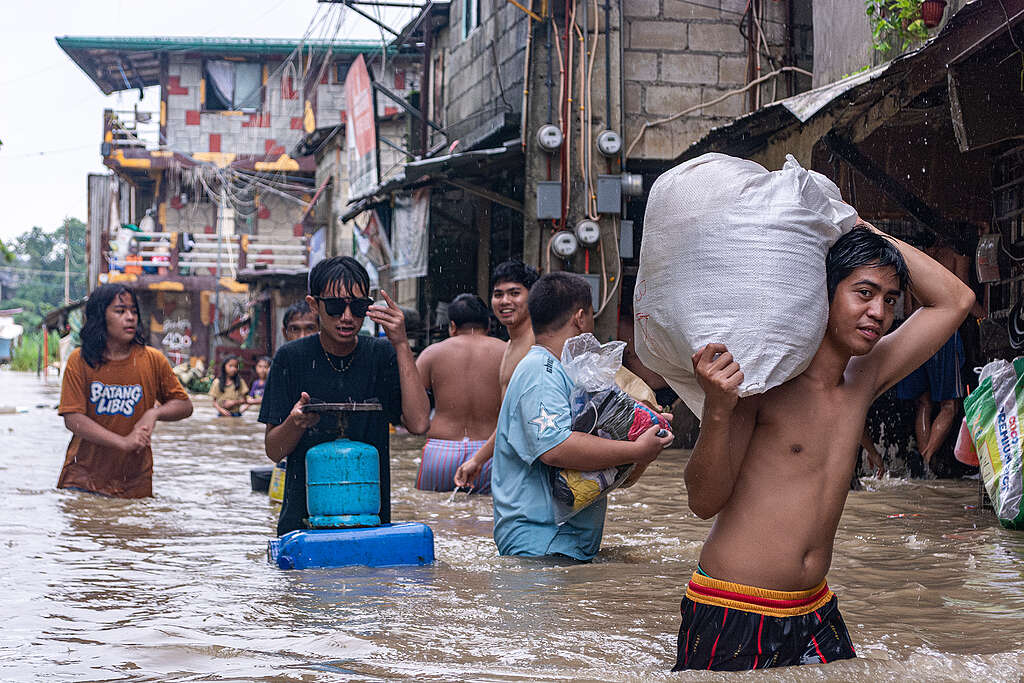
 Japan: Unprecedented heavy rain in Japan claimed the lives of 8 people, leaving thousands at Narita airport and cutting power to more than 20,000 households in Chiba prefecture.
 Tunisia: Ash and the remains of destroyed trees as fires ravage the forests of Sakiet Sidi Youssef in the Kef region, near the border with Algeria on 24 July 2026. At least 900 fires broke out in Tunisia over 72 hours, as the country grapples with an intense heatwave. Firefighters battled two major blazes, one of them in the northwestern region of Sakiet Sidi Youssef.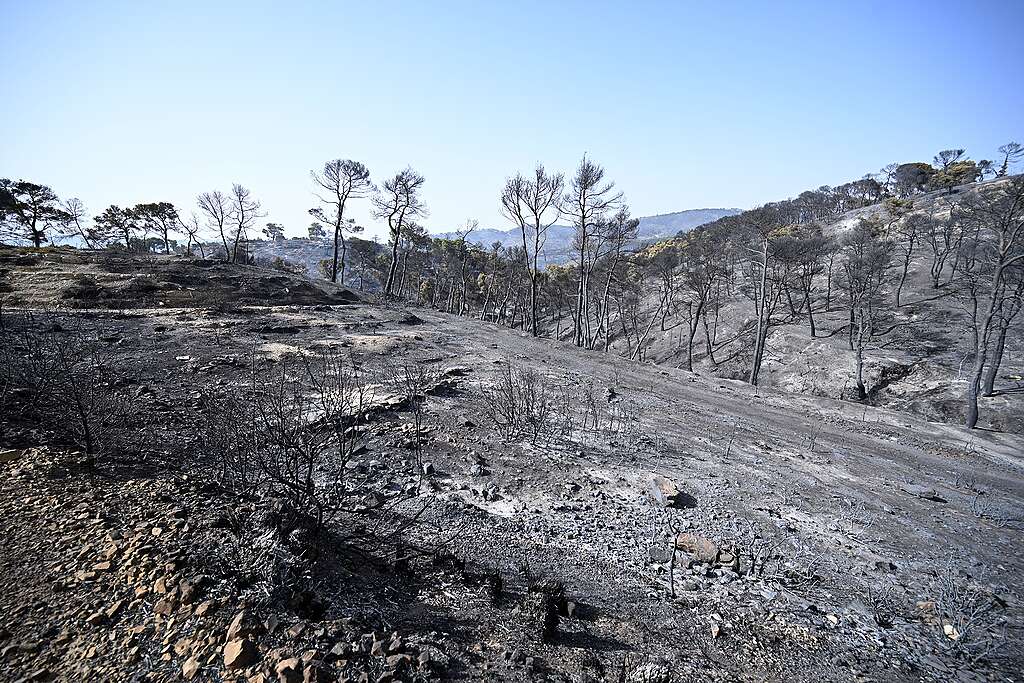
 United States of America: All of New York State, including New York City, and parts of New Jersey are under an Air Quality Advisory due to the smoke from more than 100 wildfires burning in Canada. The Tri-State is seeing visible smoke and hazy skies across the state and spikes in smoke-related pollution. Fine particle pollution from wildfire smoke can cause shortness of breath, coughing, dizziness, or fatigue, and can aggravate heart and lung diseases and other chronic health issues.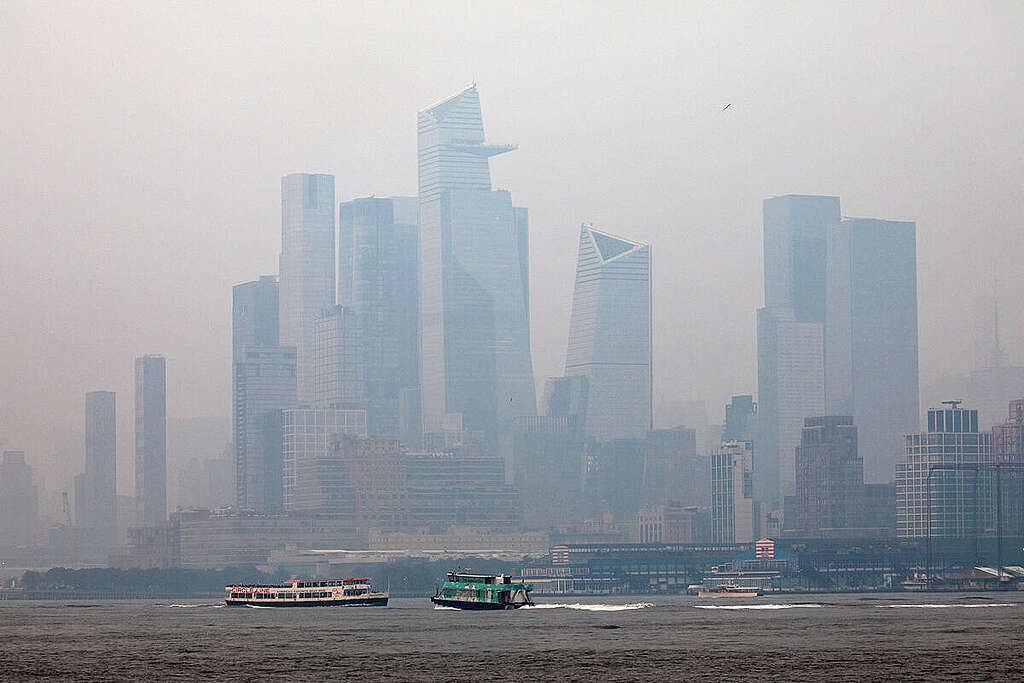
 India: The flood situation in Assam, India, turned critical as it claimed 80 lives, displacing about 2 million people across 200 villages.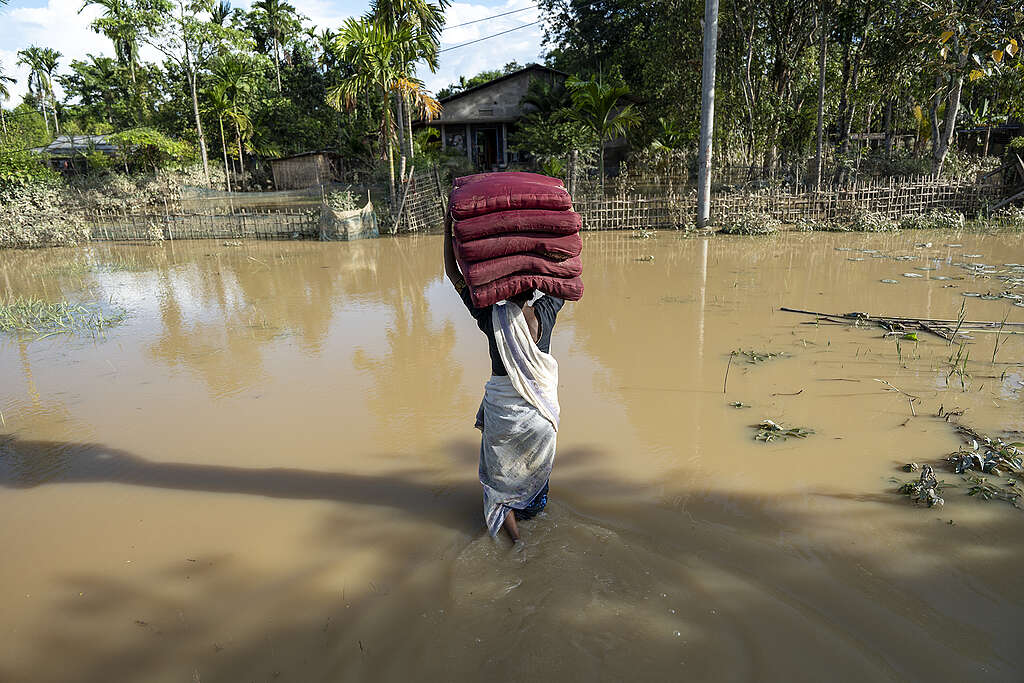
 Algeria: As firefighters work to put out a wildfire in Bordj Okhriss, located approximately 150 km southeast of Algiers. For several days, Algeria has been facing a wave of exceptionally intense wildfires.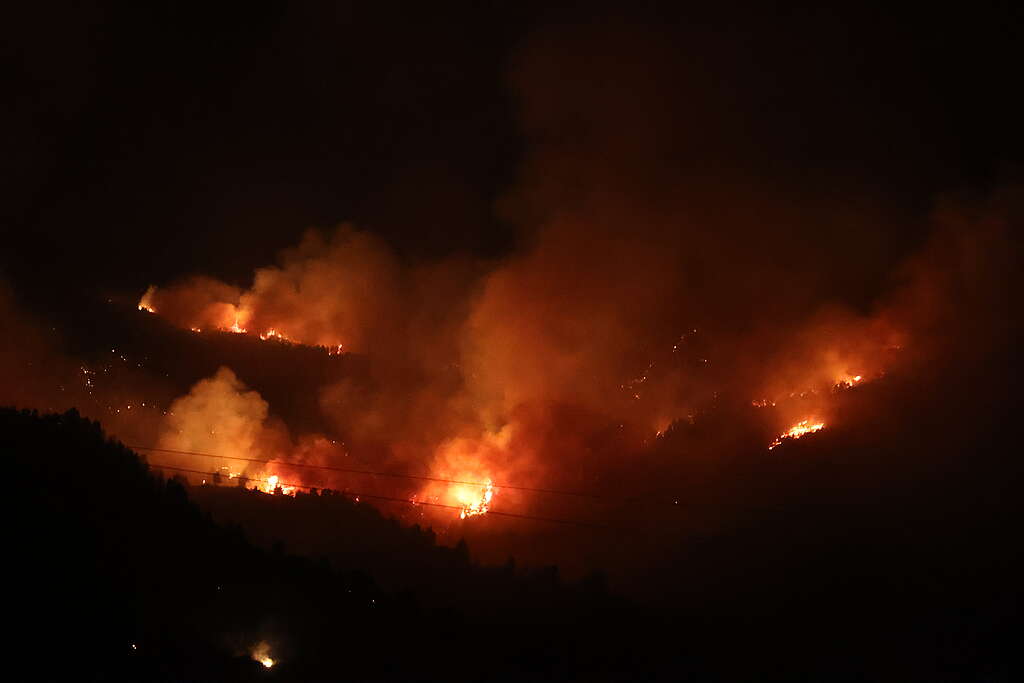
Greenpeace Pictures of the Week
Greenpeace International
From protests against oil and gas in the Black Sea, to documenting drought impacts in Germany. Here are a few of our favourite images from Greenpeace work around the world this week. Greenpeace has been a pioneer of photo activism for more than 50 years, and remains committed to bearing witness and exposing environmental injustice through the images we capture. To see more Greenpeace photos and videos, please visit our Media Library. Texte intégral (1589 mots)

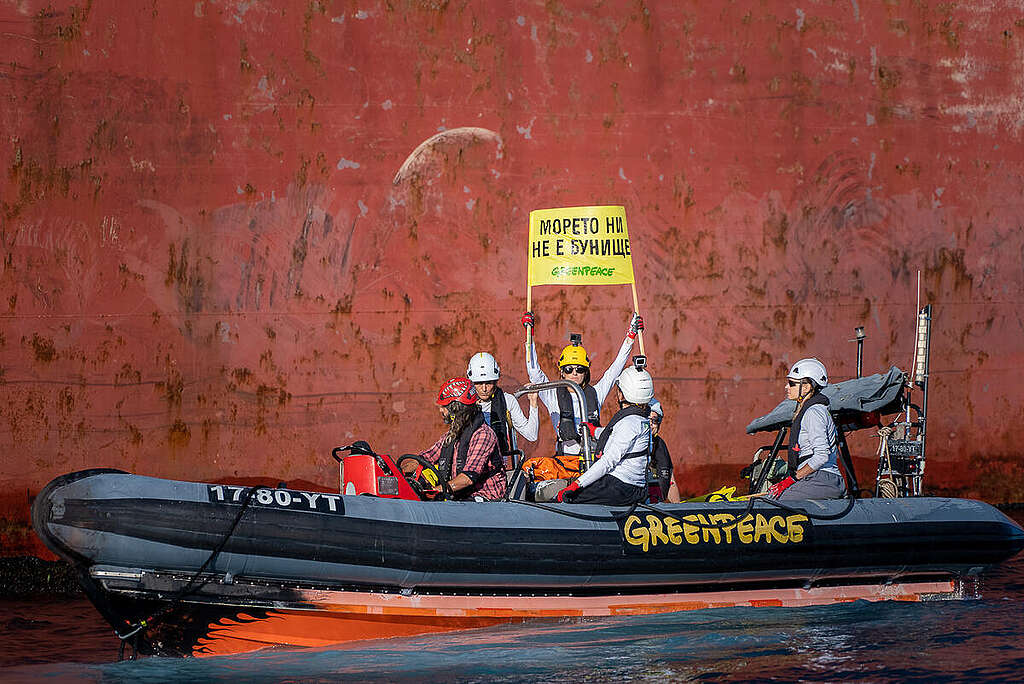
 Bulgaria – Greenpeace activists from five countries painted “NO GAS + OIL” on the side of the abandoned tanker “Kairos”, part of Russia’s shadow fleet, anchored off the coast of Burgas, Bulgaria. The activity protested against the toxic dependence on oil and gas, which funds wars, fuels corruption, and endangers marine ecosystems and local communities.
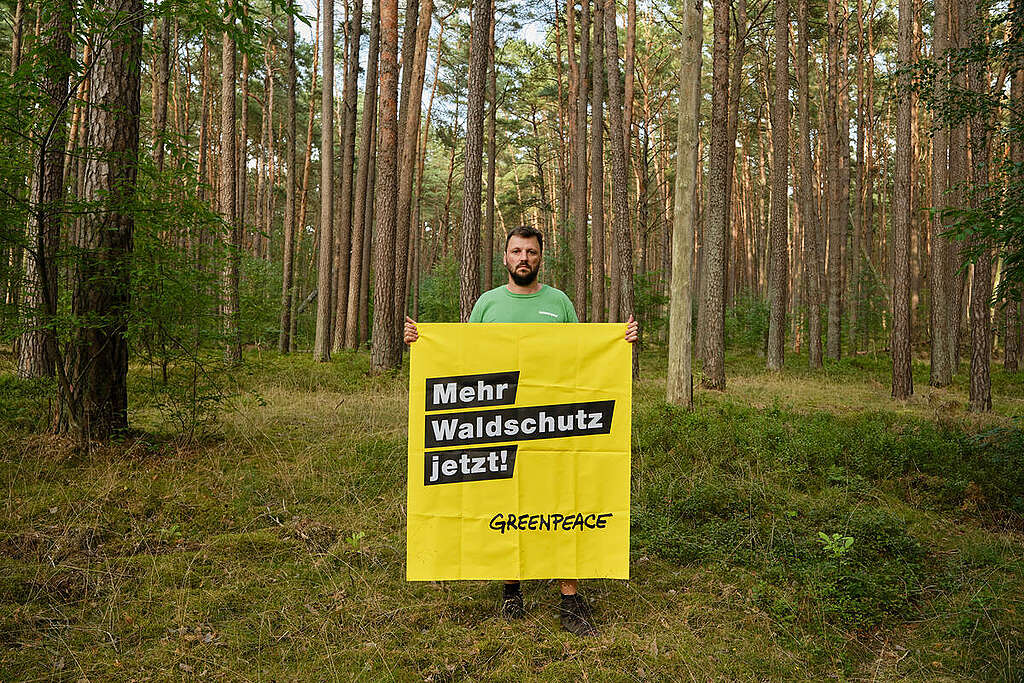
 Germany – During a forest tour in Reiersdorf, Brandenburg, Greenpeace highlights the extreme fire risk posed by pine monocultures, showing how structurally diverse mixed forests with deadwood cool the ground and naturally prevent wildfires.
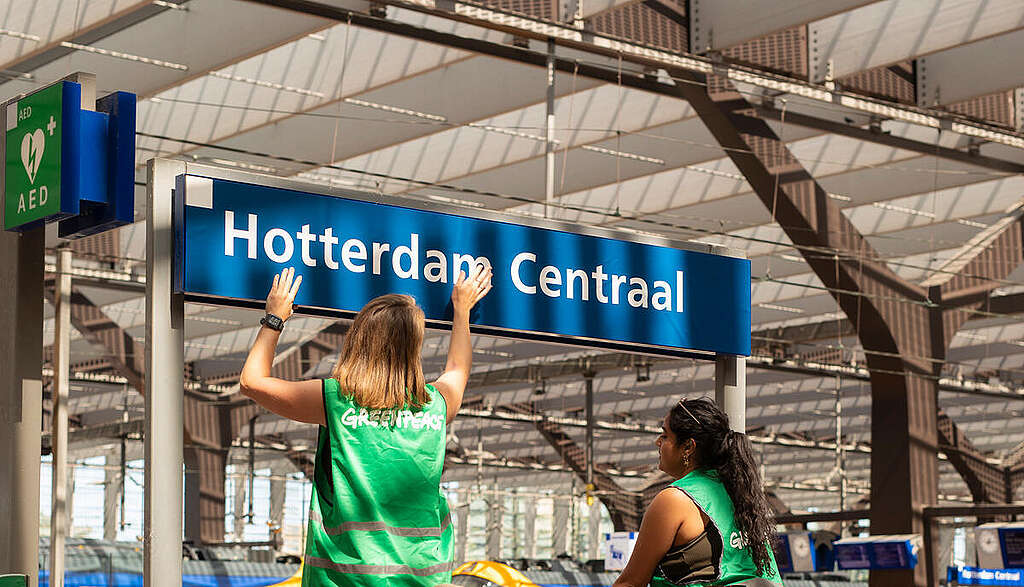
 Netherlands – Activists from Greenpeace Netherlands have modified the names of several train stations following yet another tropical day this summer. Stations were renamed to ‘Hotterdam Centraal’, ‘Amsterwarm Centraal’, ‘Grillversum Media Park’, and ‘Smelthogenbosch’. With temperatures soaring well above 30°C and a record number of tropical days, the campaign highlights the reality of the climate crisis caused by fossil fuels and emphasizes that these extreme weather events are no longer exceptions. The action calls on politicians to take decisive steps toward phasing out fossil energy ahead of the Climate March in Amsterdam on September 12.

 Denmark – Danish fjords, lakes and coastal waters are plagued by oxygen depletion due to decades of pollution from industrial pig farming. Greenpeace Nordic is on an expedition to measure and document the extent of the problem, as well as nitrogen pollution, which originates mainly from pig manure spread onto the fields.
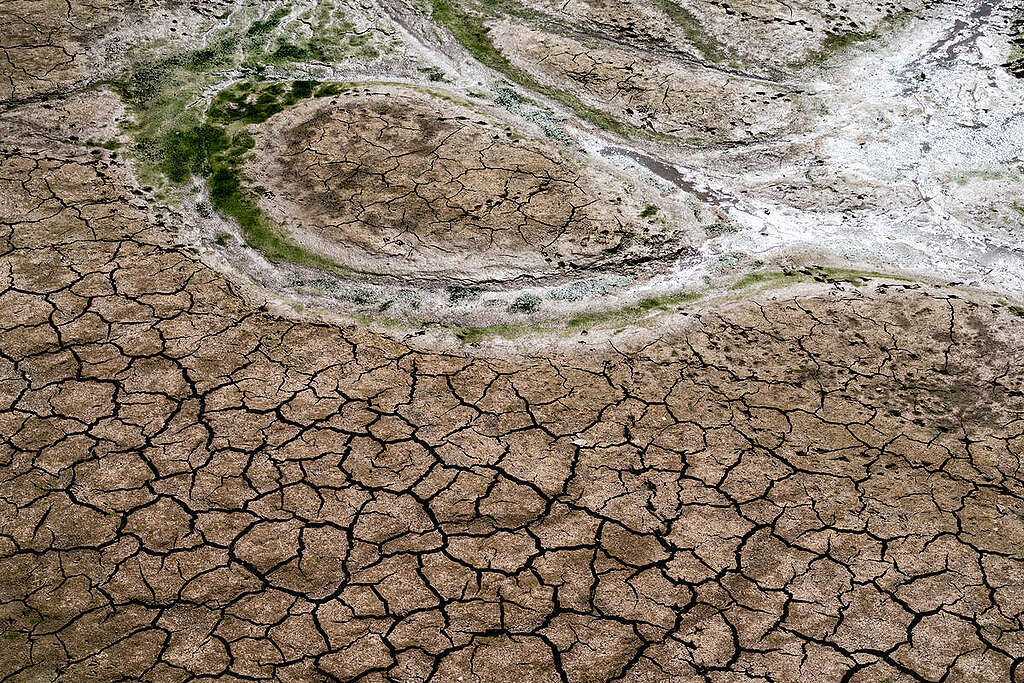 Germany – Drought impacts Rhine River’s water level in Germany. The river Rhine shown here with a very low water level in Cologne.
UN tax talks: Global South push for fairer rules as rich nations drag their feet on properly taxing wealthiest polluters
Greenpeace International
New York – As the fifth round of negotiations concludes at the United Nations in New York, an ambitious Global Tax Treaty – also known as the UN Framework Convention on International Tax Cooperation – remains within reach. Major improvements to the zero draft text are still needed, however, to deliver global tax rules that will help solve the connected climate, nature, and inequality crises, rather than letting corporate polluters and the super-rich off the hook. Nina Stros, Global Senior Policy Expert, Greenpeace International Political Unit said: “Global South demands for fair and inclusive international tax rules are starting to shape the text of the Framework Convention, and that is real progress. But without trust and a commitment from all parties to negotiate in good faith, we risk an empty treaty that fails to address problems everyone acknowledges exist. The most ambitious version of the Global Tax Treaty can only be built on truly international tax cooperation, where every voice counts, including those of the communities hit hardest by the climate crisis, not just predominantly those of the wealthiest polluters and their patrons. “Outside these negotiating rooms, people are living through extreme weather and rising bills, paying for a crisis they did little to cause, while the wealthiest polluters keep profiting. Too many countries are losing revenues to tax havens. The Global Tax Treaty is a once-in-a-generation opportunity to correct the unfairness and the dysfunctions of existing tax agreements and the broken corporate tax system. It’s time for every country to step up and bring concrete solutions that work for people and the planet.” Key takeaways from INC-5 include: There was also broad support among countries for bringing civil society and other stakeholders into future Conference of Parties (COP) meetings, which will be vital to raise ambition and hold countries to account through this process as it moves towards delivering the treaty. Negotiations for the Global Tax Treaty will continue until mid-2027. The sixth round of negotiations will be held in Nairobi from 30 November to 11 December 2026, followed by three further rounds of negotiations next year. Greenpeace will continue to attend, urging every country to be guided by the realities their people face outside the negotiating room, and to hold negotiators to the promise this treaty represents. ENDS Contact: Greenpeace International Press Desk, +31 (0)20 718 2470 (available 24 hours), pressdesk.int@greenpeace.org Texte intégral (802 mots)
We are still standing: from Lokolama, our forest continues to speak
Valentin Engobo Mufia
This story was originally posted by Greenpeace Africa As the sun rises over Lokolama, the forest awakens long before we do. Birdsong echoes through the canopy. Our elders are already walking the familiar forest paths they have known all their lives. Barefoot children run freely among the trees, unaware that during August the world is celebrating the Indigenous Peoples Month. For them, this month is no different from any other. It is simply another month spent with the forest that feeds them, protects them, heals them and teaches them how to live. For me, however, this month is a reminder. A reminder that our story deserves to be told differently. For far too long, Indigenous Peoples have been portrayed as vulnerable communities in need of protection. Yet long before the world began talking about climate change, biodiversity or nature-based solutions, our ancestors from Africa and other parts of the planet were already protecting these forests. They understood something fundamental: you do not own the forest, you belong to it. I was born in Lokolama, Équateur Province of the Democratic Republic of the Congo (DRC). Here, I learned to recognise the trees, to listen to the silence of the forest, and to understand that every river, every peatland and every living species forms part of a fragile balance that we have a responsibility to pass on to future generations. Last year, Greenpeace Africa came to our village. For several days, we walked together beneath the towering trees. We shared our stories, listened to our elders, met with young people, learned from the women of our community and discovered together that our ancestral knowledge is far more than a cultural heritage. It is a practical response to many of the challenges our planet faces today. The expedition to Lokolama and Penzélé showed that Indigenous communities are not merely beneficiaries of conservation; we are its first architects. The forest is our past, our present and our future One memory remains especially vivid. I remember watching the children as they drew their vision of the perfect forest. Not one of them drew an empty forest. They drew towering trees, rivers filled with fish, bonobos, birds, butterflies and families living together in harmony with nature. Their drawings were simple. Yet they carried a profound truth: I also remember our conversations with the communities of Penzélé. We spoke about past challenges and misunderstandings, but above all, about our shared determination to build a future where forests are no longer a source of conflict but a place of cooperation and peace. Because protecting the forest also means protecting the bonds that unite the people who call it home. Today, as world leaders discuss climate finance, carbon markets, biodiversity and sustainable development, I would like to remind them of one essential truth. These forests have been safeguarded for generations by the women, men and young people who live within them. Our knowledge does not come from books. It comes from the seasons. From the rivers. From the trees. From the forest paths our grandparents taught us to walk with humility and respect. This does not mean that we reject development. On the contrary. We aspire to quality schools, accessible healthcare, better roads that connect our villages and opportunities for our young people. But we believe that genuine development can never come at the expense of our identity, our ancestral lands or our rights. We want to be partners. Not merely observers. We want to participate in the decisions that affect our territories because no one knows this forest better than the people who have lived with it for generations. I am not asking the world to celebrate us. I am asking the world to listen to us. To listen to the voices rising from Lokolama, from Penzélé and from countless other villages across the Congo Basin and across the Earth. Because behind every one of those voices lies knowledge, solutions and a vision of the future that our planet needs now more than ever. Our shared future depends on our ability to protect the world’s forests. And protecting forests begins with respecting those who have always been their first guardians. We are Indigenous Peoples. We are not the past. We are an essential part of the future of the Congo Basin. And as long as the forest continues to breathe, We will continue walking beside it. Valentin Engobo Mufia is a Representative of the Tshwa Indigenous People of Lokolama from The Democratic Republic of the Congo. Texte intégral (2306 mots)
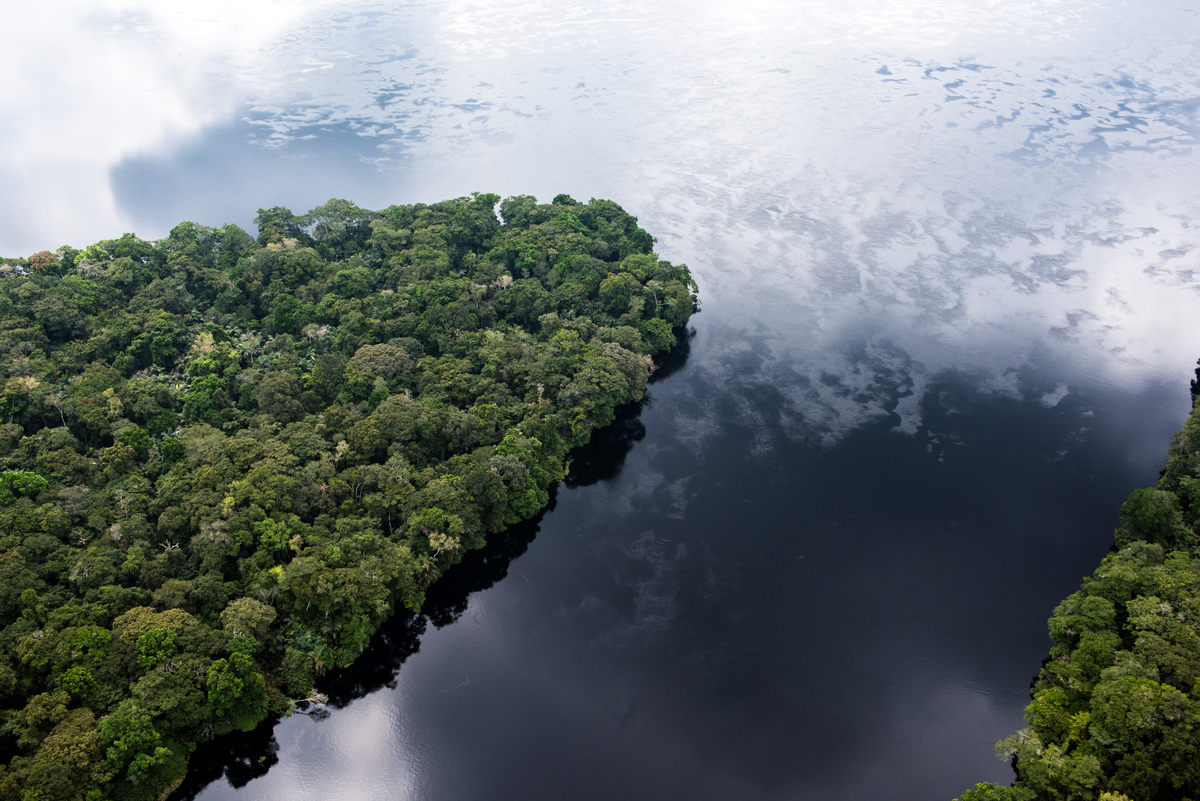
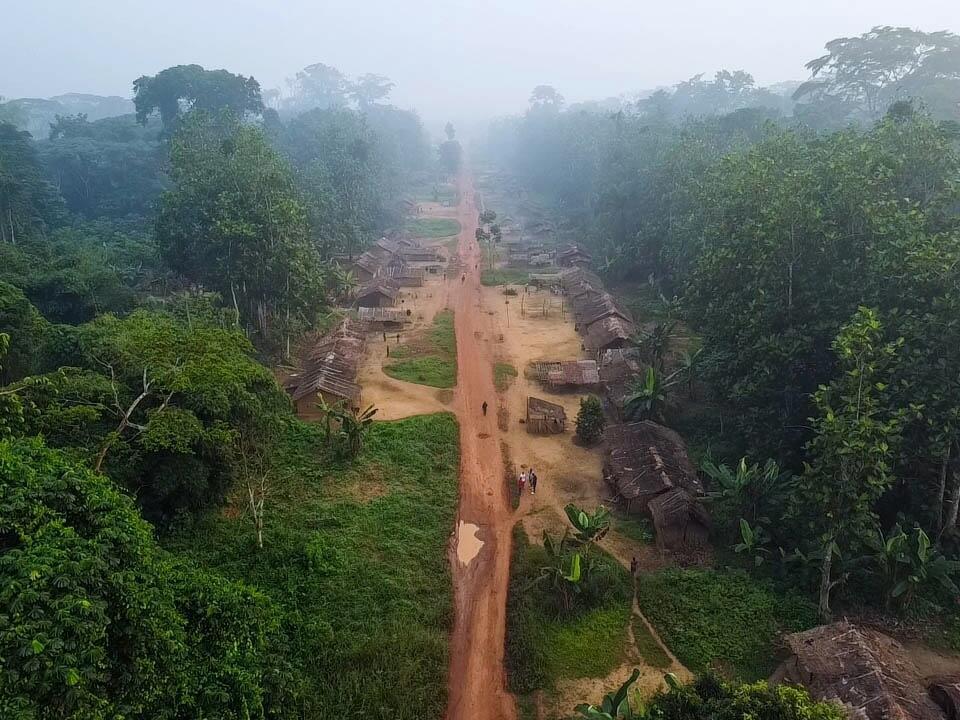
Our ancestral knowledge is far more than a cultural heritage
Our forest is our home, our identity and our future
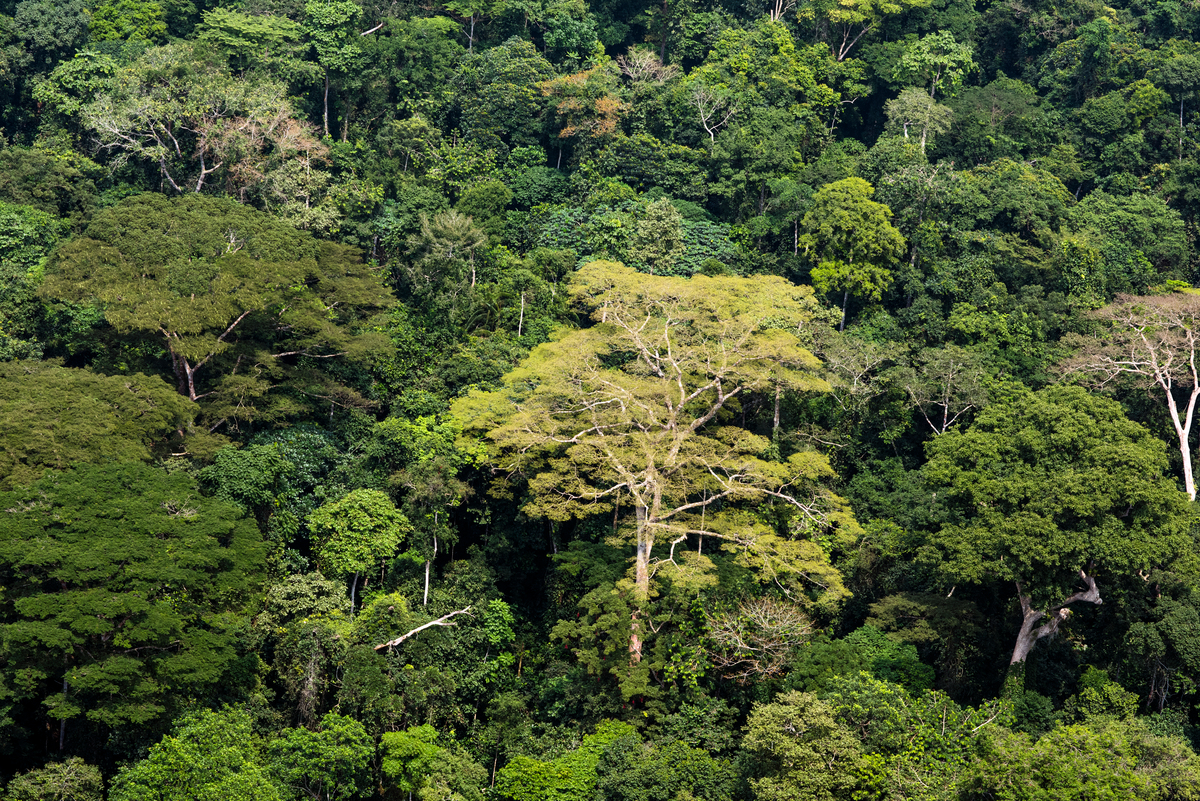
The forests of the Congo Basin did not wait for international conferences to be protected
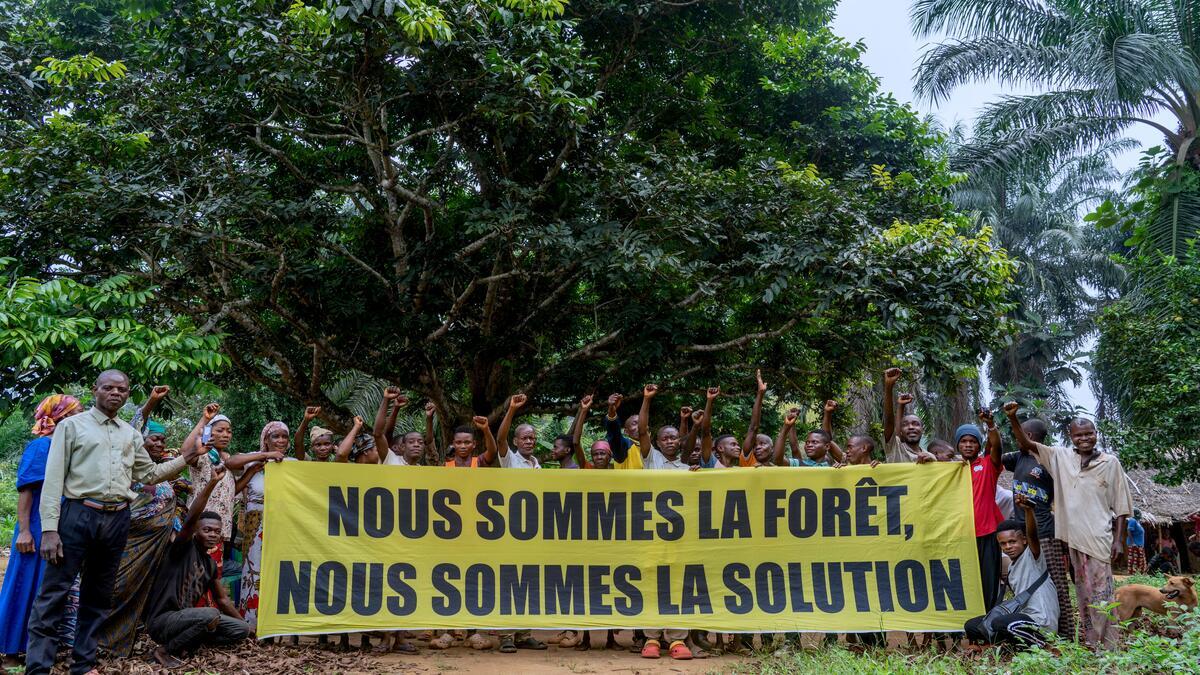
We want to be part of decision making processes

Indigenous resistance is key to building a post-extractive future
Tsering Lama
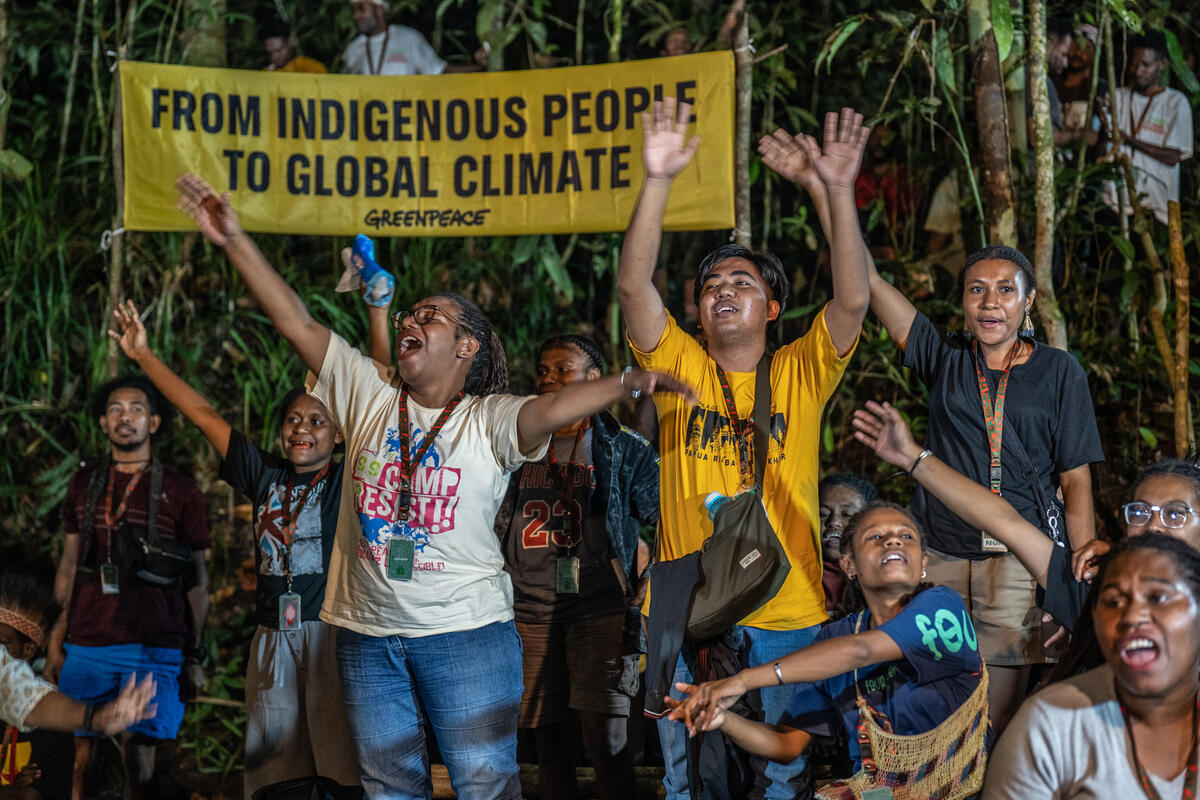
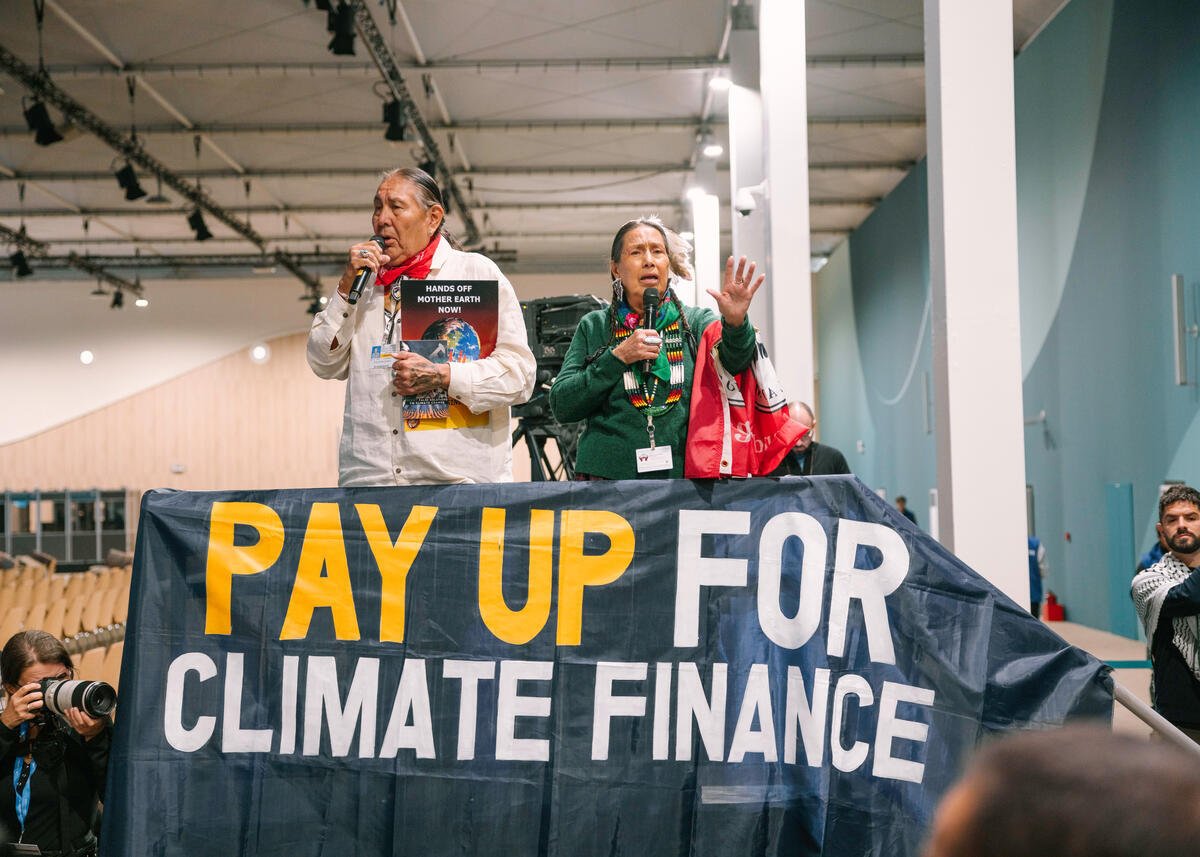
True allyship can only take hold when we recognise that Indigenous peoples’ struggles are intricately bound up with our collective fate. Our greatest hope against ecological breakdown is to support Indigenous sovereignty and actively join the global resistance against extractive industries. This is a matter of our mutual survival and liberation. “If you have come here to help me you are wasting your time, but if you have come because your liberation is bound up with mine, then let us work together.” Differing from the simple act of harvesting a resource (such as cutting down a single tree), extractivism is an economic model that treats the Earth as an endless storehouse of raw materials. Nature is commodified and extracted at an industrial scale and exported to enrich distant interests, while local communities (often Indigenous) bear the devastating ecological and social costs. It’s no coincidence that the concept of extractivismo (extractivism) originated in Latin America – a region that has served as ground zero for over 500 years of imperial plunder, while simultaneously remaining the global heartland of Indigenous frontline resistance. For many Indigenous communities, resisting extractivism looks like a fundamental struggle to exist in the eyes of the law. States have long used the denial of Indigenous identity as a tactical weapon to erase land claims, clear territories for corporate concessions and evade legal accountability under international law. Nevertheless, Indigenous movements have generated some of the most vibrant, historic and effective mobilisations in recent memory. An Indigenous Environmental Network (IEN) report found that Indigenous-led resistance in North America has successfully delayed or stopped greenhouse gas pollution equivalent to at least 25% of annual US and Canadian emissions. Through decades of tireless organizing, Indigenous leaders secured foundational frameworks like ILO Convention 169 and the UN Declaration on the Rights of Indigenous Peoples (UNDRIP). These instruments serve to enshrine the principle of self-determination, establishing that Indigenous peoples alone have the right to define their own identities, institutions and relationships to their territories. Frontline Indigenous defenders routinely face systemic intimidation, land theft, state criminalization and lethal violence. According to data from Global Witness, while Indigenous peoples represent roughly 6% of the global population, they consistently account for more than one-third of all land and environmental defenders murdered worldwide each year. Colonial states also spread racist and prejudiced narratives about supposed Indigenous inferiority. These myths have permeated many levels of society and led to a profound disconnection not only from Indigenous peoples but also ancient traditions, their wisdom, knowledge systems and ways of relating with the Earth and other living beings that we sorely need to revive. Today, Indigenous movements are also challenging accelerating demand for so-called ‘critical minerals’. Brought about by the energy transition, AI and Big Tech, and the defense sector, this speculative rush for minerals is giving rise to new sacrifice zones. In her book Extraction, political scientist Thea Riofrancos spotlights frontline Indigenous communities fighting back against ‘green extractivism,’ exposing how the rush for clean energy minerals risks repeating historic colonial harms. To break this cycle, Riofrancos advocates for solutions that move beyond simply swapping gas-powered vehicles for electric ones, calling instead for public transit investments, circular material recycling and a deliberate reduction in overall resource consumption. In response to today’s intensifying extractive rush, Greenpeace has partnered with other NGOs and experts to launch the Restricted Areas Map, indicating places where mining poses unacceptable environmental, social, cultural or rights-related risks. Across courtroom battles, frontline blockade and international climate summits, Indigenous activists share a repeating set of demands. In 2025, Indigenous youth representatives from the world’s primary tropical forest basins, the Amazon, the Congo Basin, Borneo and West Papua, penned their version with the Sira Declaration. Drafted in West Papua, the declaration lays out a call to action for governments, corporations and international bodies to: Global public opinion strongly supports these demands. A Greenpeace poll spanning 17 countries across five continents* revealed that 78% of respondents trust Indigenous Peoples and local communities most to protect forests (compared to 49% for governments and 42% for corporations). Additionally, 75% of respondents agree that Indigenous peoples should receive direct climate funding to safeguard their ancestral territories. Stopping destructive corporate projects is only the first step. A post-extractive future requires a post-colonial future. In a time as critical as this, non-Indigenous allies cannot remain passive observers. Decolonisation requires that settler populations actively reject the ideology of extractivism by rejecting the commodification, domination and exploitation of Nature. Indigenous leadership provides practical blueprints for post-extractive societies founded on care, ecological balance and generational/collective well-being. A Greenpeace report highlights inspiring case studies of community-led forest solutions. *Polling Methodology Note: Countries surveyed include Kenya, South Africa, Argentina, Brazil, Colombia, Canada, USA, Indonesia, Malaysia, South Korea, Australia, Denmark, France, Germany, Netherlands, Spain, and the UK. Tsering Lama is a storytelling manager with Greenpeace International. Texte intégral (2479 mots)

What is extractivism?
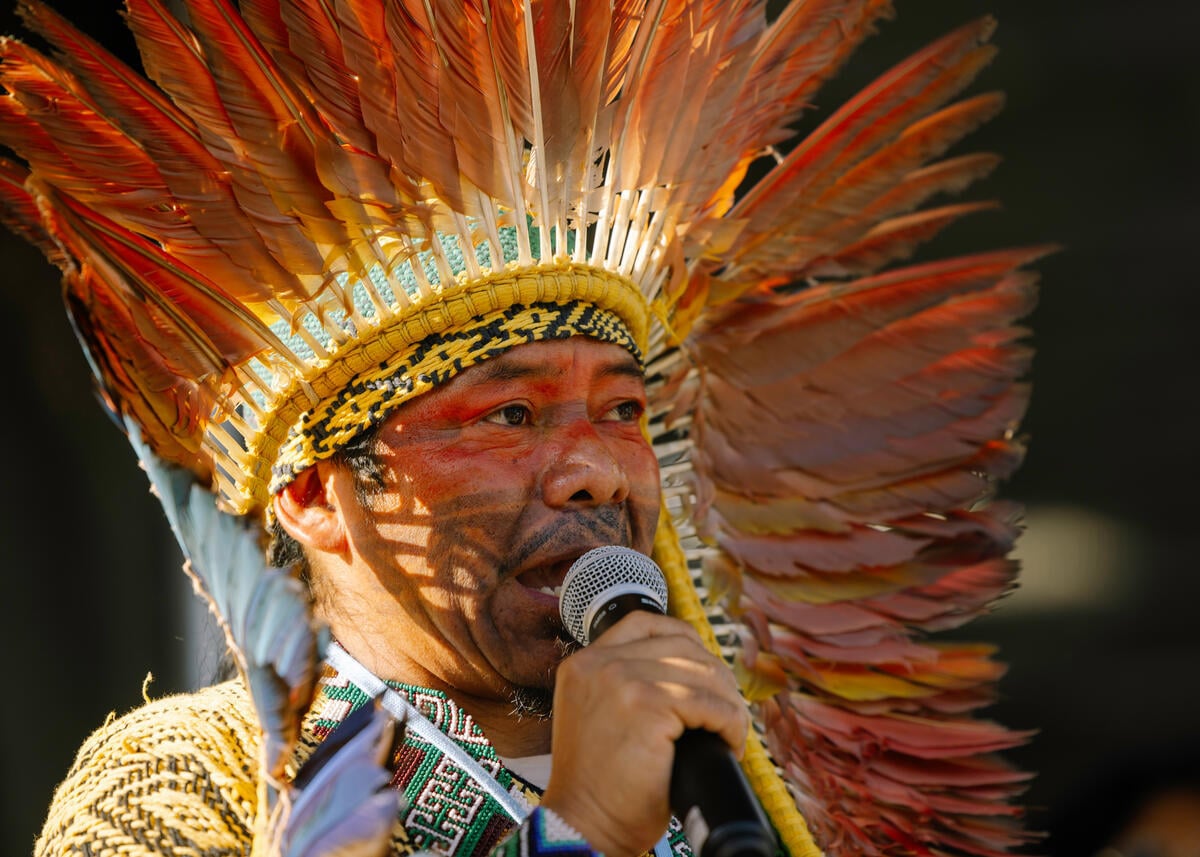
The battle over recognition and sovereignty
The high cost of defense
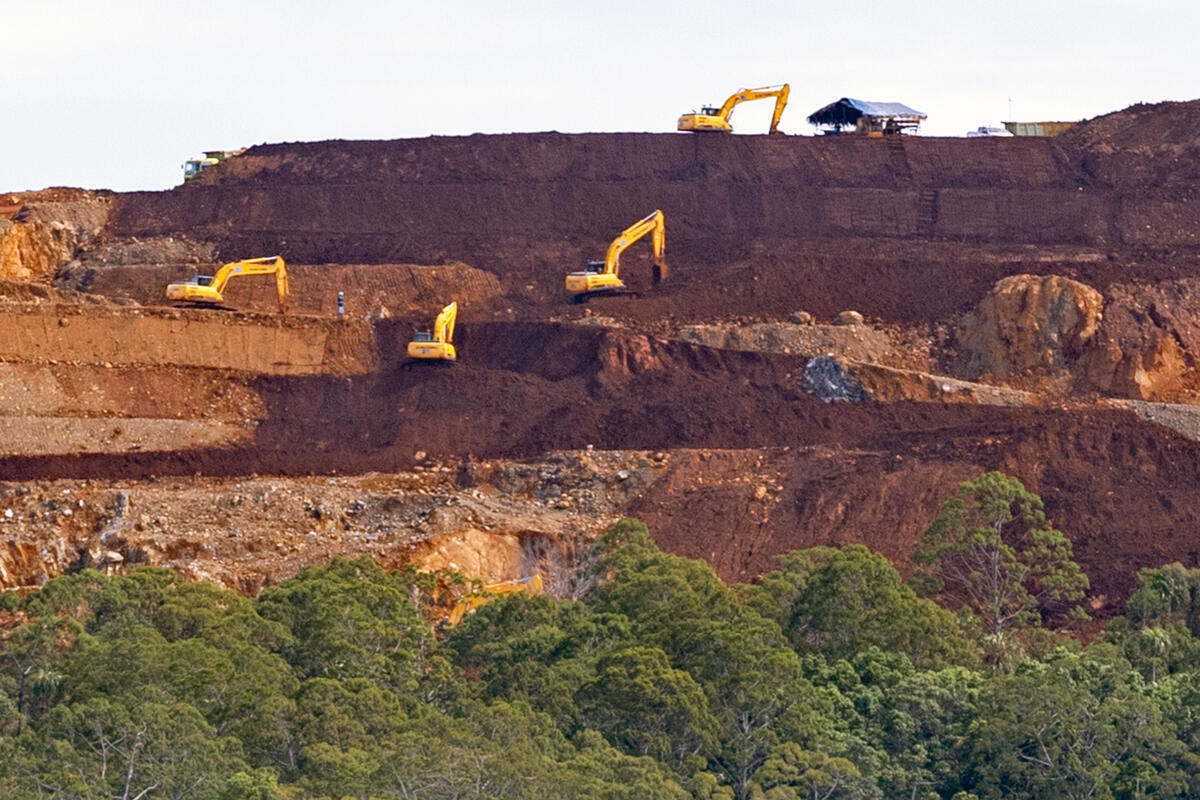
Confronting ‘green extractivism’
Demands of Indigenous environmental movements
Public support for Indigenous leadership
Building a just, post-extractivist future
🌱 Bon Pote
Actu-Environnement
Amis de la Terre
Aspas
Biodiversité-sous-nos-pieds
🌱 Bloom
Canopée
Décroissance (la)
Deep Green Resistance
Déroute des routes
Faîte et Racines
🌱 Printemps des Luttes Locales
F.N.E (AURA)
Greenpeace Fr
JNE
La Relève et la Peste
La Terre
Le Lierre
Le Sauvage
Low-Tech Mag.
Motus & Langue pendue
Mountain Wilderness
Negawatt
🌱 Observatoire de l'Anthropocène