11.06.2026 à 21:16
Texte intégral (731 mots)
New studies presented at the American Society of Clinical Oncology’s annual conference suggest that reducing the dosage of anti-cancer medicines — including Keytruda, the world’s bestselling drug — could drastically cut global health costs by billions of dollars a year and improve access for patients.
The U.S. Food and Drug Administration approved the initial dosage of Keytruda in 2014 based on a patient’s body weight, at 2 milligrams per kilogram. But Merck & Co., the maker of the drug, later changed to a fixed dosage with the FDA’s approval. Now Merck recommends 200 mg every three weeks or 400 mg every six weeks, regardless of the patient’s weight.
The studies discussed last week at the ASCO conference in Chicago, however, indicate that patients are receiving more of Keytruda and similar cancer drugs than necessary, which dramatically pushes up consumer costs and corporate profits — and that smaller doses work just as well. One study estimated the savings at more than $30 billion annually.
We found that by lowering the dose, we can expand access by 50 to 60%.
— Kumar Prabhash, oncologist at Tata Memorial Hospital in Mumbai.
Merck disagrees with that finding, saying in a statement to ICIJ that the FDA-approved doses “are based upon wide-ranging preclinical data and extensive clinical evidence.”
Meanwhile, an official from the U.S. Department of Health and Human Services told ICIJ that the agency supports scaling back cancer treatments if evidence shows it is safe to do so. Emily G. Hilliard, the agency’s senior press secretary, said the FDA “will continue to work with oncologic drug developers to determine the appropriate dosages that are safe and effective for patients.”
“[The National Cancer Institute] supports efforts to de-escalate cancer therapies when the evidence shows that fewer drugs or lower doses can be administered safely and effectively,” Hilliard said in a statement. “Receiving less treatment while maintaining efficacy can improve a patient’s quality of life, lower costs, require fewer clinic visits, and, most importantly, reduce treatment-related toxicity. Our goal is to ensure patients receive the most effective treatment with the fewest possible side effects.”
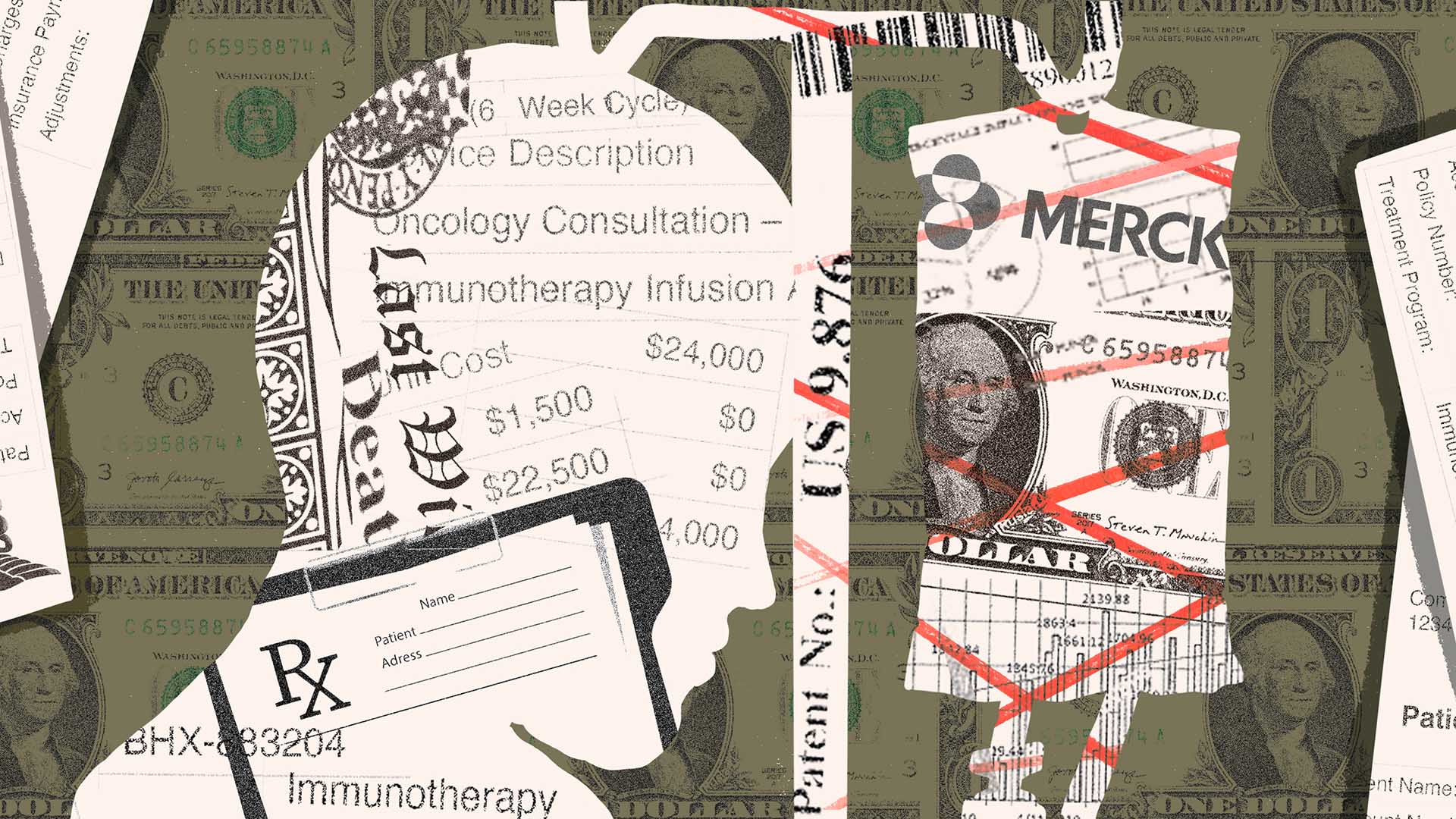
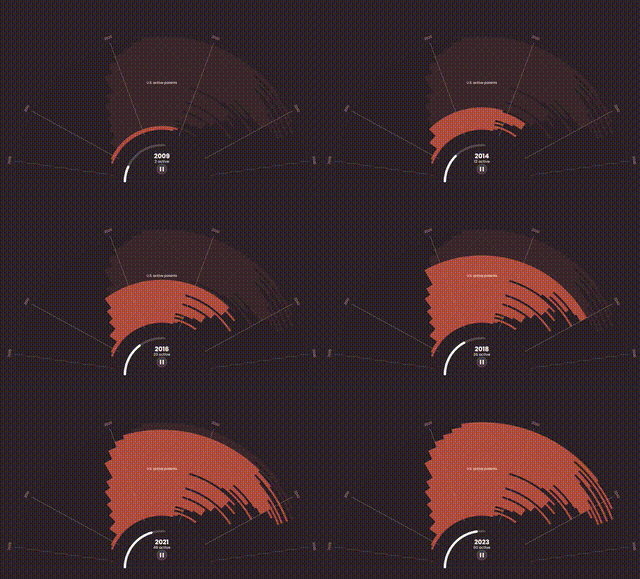
The Cancer Calculus, an investigation by ICIJ and 47 media partners published in April, shows how Merck has kept the price of the lifesaving drug sky-high by building a fortress of patents to deter competition and through opaque pricing. In the U.S., for example, a 200 mg dose of Keytruda costs $12,000, according to an ICIJ analysis.
https://www.icij.org/investigations/cancer-calculus/merck-keytruda-cancer-drug-price/
https://www.icij.org/investigations/cancer-calculus/keytruda-evergreening-patents-merck/
INTERACTIVE How Merck uses patents to help maintain Keytruda’s exorbitant price Apr 13, 2026
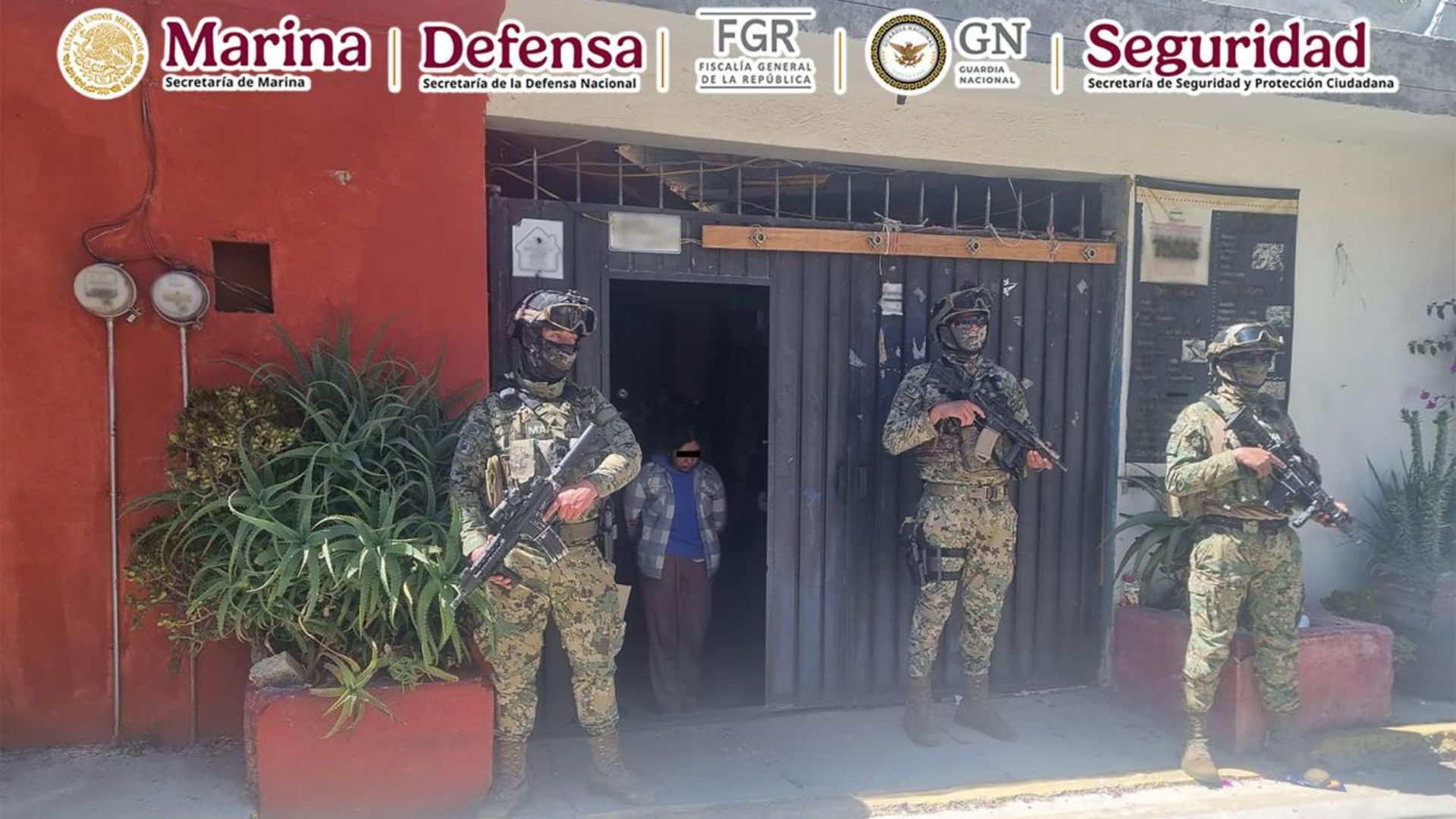
Recommended reading OVERVIEW How Merck turned its wonder drug into a blockbuster — and priced out cancer patients worldwide Apr 13, 2026 INTERACTIVE How Merck uses patents to help maintain Keytruda’s exorbitant price Apr 13, 2026 COUNTERFEITS Mexico seizes suspicious Keytruda in raid to dismantle counterfeit medication ring Jun 04, 2026
more affordable treatment strategies.The findings at the conference, she said, “will give us the strength to persist and request our [Ministry of Health] and the national health council to proceed for less dose and to sponsor it and support it.”
Editor’s note: Arnold Ventures has been a funder of ICIJ. Funders have no involvement in ICIJ’s editorial decisions.
08.06.2026 à 20:10
Texte intégral (720 mots)
Amaryllis Fox Kennedy, a Trump administration adviser on intelligence issues who recently stepped down from two senior national security positions, previously helped her father secure at least $12 million from a Russian investment bank that cooperated with the Kremlin, leaked documents show.
Kennedy, a former CIA officer, was involved in the deal in 2009 and 2010 as head of an offshore corporation owned by her father. She was employed as a spy during those years, according to media reporting.
The documents show that as president of the British Virgin Islands-registered Helios Enterprises Limited, Kennedy was involved in an effort on behalf of her father, Hodson Thornber, to pressure a Moscow-based investment bank to fulfill a 2008 agreement to pay roughly $30 million for Helios’ shares in a large Ukrainian agricultural company. The Russian bank, Renaissance Capital, included former senior Russian intelligence officers in its top ranks.
Kennedy told ICIJ that she was appointed Helios’ president as she was preparing to leave government service, and in that position worked with her father to identify investments in consumer technology startups. She said that any involvement she had in the dispute with Renaissance Capital was “pro forma,” and that she “had no knowledge of or involvement in” the dispute or the business project in general.
“I lived in the United States the entire time I worked for Helios and never worked on any deals related to the farm business or Ukraine,” she wrote. “I’ve never met any of the people involved, nor ever visited Ukraine.”
She is also the daughter-in-law of Health and Human Services Secretary Robert F. Kennedy Jr. and managed his 2024 presidential campaign. In one podcast appearance, he called her “the smartest person I’ve ever met.”
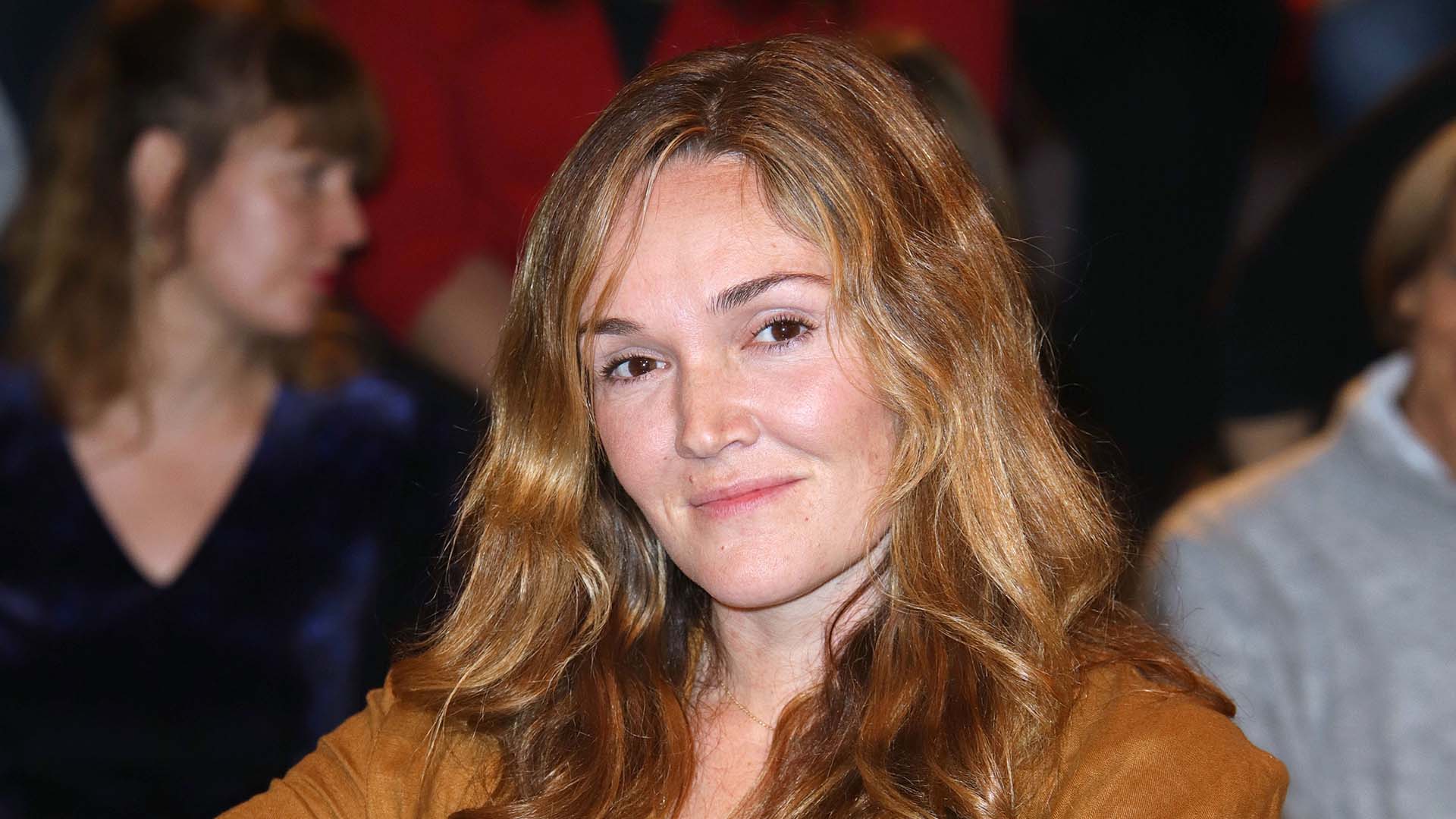

Politics Intelligence official Amaryllis Fox Kennedy, a Gabbard ally, leaves two jobs May 19, 2026
https://www.icij.org/news/2026/06/fidelity-opened-account-for-epstein-even-as-outrage-grew/
Epstein files Fidelity opened account for Epstein, even as outrage grew Jun 01, 2026
cryptocurrency Trump administration curbs state oversight of crypto industry May 15, 2026
Recommended reading Politics Intelligence official Amaryllis Fox Kennedy, a Gabbard ally, leaves two jobs May 19, 2026 Epstein files Fidelity opened account for Epstein, even as outrage grew Jun 01, 2026 cryptocurrency Trump administration curbs state oversight of crypto industry May 15, 2026
AFL — a stake he held through Helios.In November 2008, Renaissance Capital agreed to purchase Helios’ shares in UAFL for roughly $30 million in three installments in 2008 and 2009. The deal came during the global financial crisis, which impaired banks worldwide and plunged Renaissance into crisis.
As the crisis unfolded, Thornber began to pressure the investment bank to make good on its commitment to buy his shares. In January 2009, Kennedy, as president of Helios, wrote to Renaissance Capital to formally request Thornber’s appointment to UAFL’s board of directors, which was Helios’s prerogative under the shareholders agreement.
Thornber said in an interview that he did not remember being appointed to UAFL’s board. Helios was dissolved in May 2025, according to British Virgin Islands corporate records.
According to the documents, Thornber used his position as UAFL director to demand access to correspondence and financial transactions related to his dispute with Renaissance. When the bank took too long to provide access to certain records, he sent his lawyers unannounced to the BVI offices of the firm’s corporate services provider to inspect them.
e, Kennedy replied: “Please, David, get a life.”
- GÉNÉRALISTES
- Le Canard Enchaîné
- La Croix
- Le Figaro
- France 24
- France-Culture
- FTVI
- HuffPost
- L'Humanité
- LCP / Senat
- Le Media
- La Tribune
- Time France
- EUROPE ‧ RUSSIE
- Courrier Europe Ctrale
- Desk-Russie
- Euractiv
- Euronews
- Toute l'Europe
- Afrique ‧ Asie ‧ Proche-Orient
- Haaretz
- Info Asie
- Inkyfada
- Jeune Afrique
- Kurdistan au féminin
- L'Orient - Le Jour
- Orient XXI
- Rojava I.C
- INTERNATIONAL
- Courrier International
- Equaltimes
- Global Voices
- Infomigrants
- I.R.I.S
- The New-York Times
- OSINT ‧ INVESTIGATION
- OFF Investigation
- OpenFacto°
- Bellingcat
- Disclose
- G.I.J
- I.C.I.J
- OPINION
- Au Poste
- Cause Commune
- CrimethInc.
- Hors-Serie
- L'Insoumission
- Là-bas si j'y suis
- Les Jours
- LVSL
- Politis
- Quartier Général
- Rapports de force
- Reflets
- Reseau Bastille
- StreetPress
- OBSERVATOIRES
- Armements
- Acrimed
- Conspirationnisme
- Culture
- Curation IA
- Extrême-droite
- Human Rights Watch
- Inégalités
- Justice fiscale
- Liberté de création
- Multinationales
- Situationnisme
- Sondages
- Street-Médics
- Routes de la Soie
- Wokisme